
Nairobi
Nairobi is a city defined by its friction.
Guests & rooms
The Nairobi guide
An insider’s read on Nairobi
NNairobi is a city defined by its friction.
Born in 1899 as a swampy rail depot on the Uganda Railway, Nairobi quickly outgrew its colonial origins to become the economic engine of East Africa. Its character is shaped by a unique blend of indigenous heritage, British colonial architecture, a deeply rooted South Asian community, and a modern influx of global diplomats. The local identity is anchored in the Swahili concept of 'kujipanga'—the art of organizing oneself and hustling to make things work against all odds.

PLATE INairobi, Kenya

Guides & ideas
The Nairobi reading list
Hand-written guides from our editors — itineraries, the best of after dark, where to eat, and what’s genuinely worth your time.
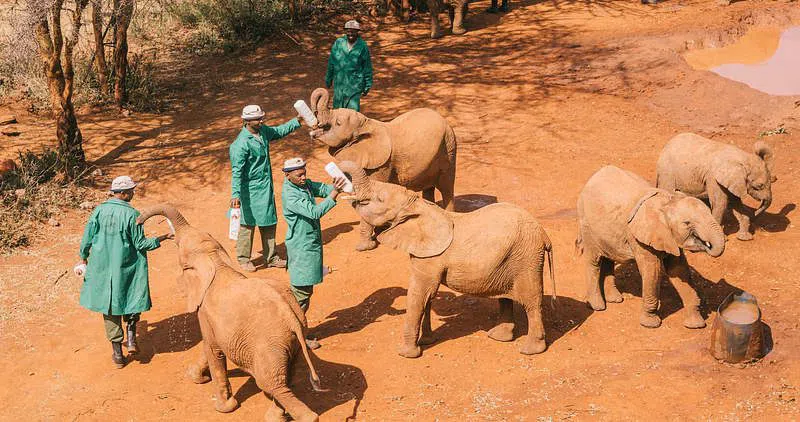
Nairobi on a Long Layover, Hour by Hour
A realistic plan for the hours between flights at JKIA: what fits, what the fees cost, and the traffic windows you have to plan around.

Nairobi on a first work trip, from client dinners to game drives
Where to base yourself, which rooms hold up for a client dinner, and what to do with a free morning before an 11am meeting: Nairobi read as a working city.
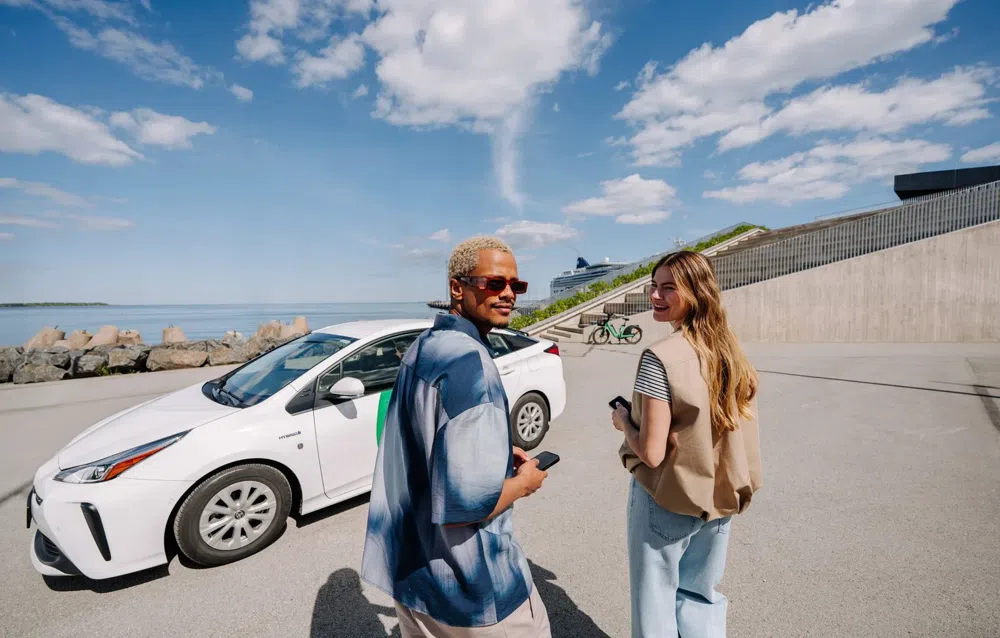
How to Cross Nairobi Without Losing Half the Day to Traffic
The apps, the elevated toll road, the commuter train and the hours to avoid: the things that decide whether a Nairobi journey takes fifteen minutes or ninety.
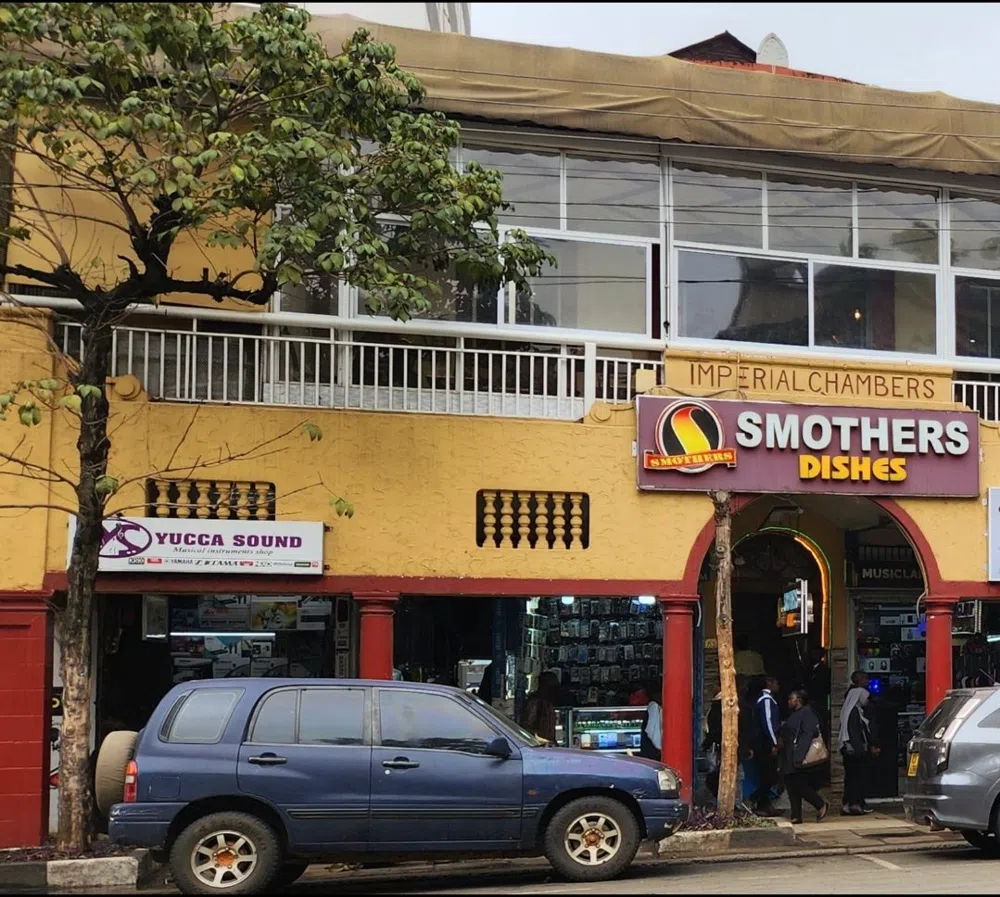
Thirteen Nairobi Kitchens That Cook Kenyan Food Properly
Tilapia off the bone, goat by the kilo and seven kinds of greens: the Nairobi tables worth your appetite, with shilling prices, real hours and honest advice on which rooms fit a group.

Nairobi's Weekend Circuit of Craters, Steam and Rift Lakes
Two hours west of the city you can stand inside a volcano before lunch, cycle past zebra in the afternoon and swim in the run-off of a power station by dusk. Here is how to string it into one honest weekend.
Nairobi's Coffee Trail: From the Auction Floor to Third Wave
A working route through the city where Kenya's beans are graded, auctioned, and then roasted a few kilometres away — from the trading floor to the courtyards and cupping labs turning those same lots into the best cup in East Africa.
Where to base yourself
The neighborhoods
01

Westlands
For Travelers who want to be in the middle of the action and have easy access to dining and nightlife. The trade-off is constant traffic congestion and noise.
The commercial and nightlife epicenter of the city. High-rise glass towers stand alongside shopping malls, upscale restaurants, and crowded bars.
Where to stay — High-end business hotels and modern serviced apartments dominate this area.
02
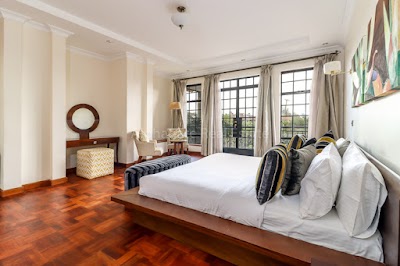
Karen
For Families, wildlife lovers, and those seeking a peaceful retreat. The trade-off is that it is far from the city center and requires a car for all activities.
A quiet, affluent suburb characterized by large estates, mature trees, and a slower pace of life.
Where to stay — Boutique guesthouses, historic estates, and luxury eco-lodges.
03
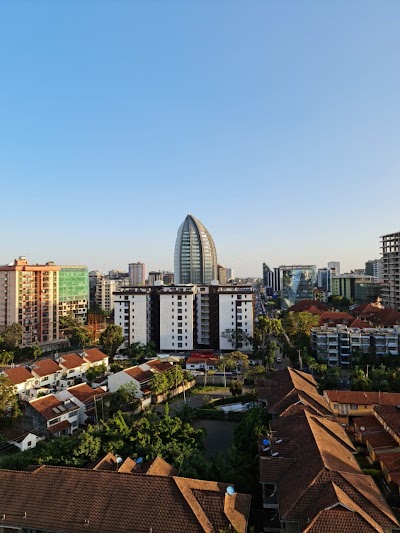
Kilimani
For Mid-range travelers looking for excellent dining diversity and a central location. The trade-off is the ongoing construction noise from new high-rises.
A cosmopolitan, rapidly developing neighborhood popular with expats, aid workers, and young professionals.
Where to stay — A mix of mid-range hotels and Airbnb rentals.
04
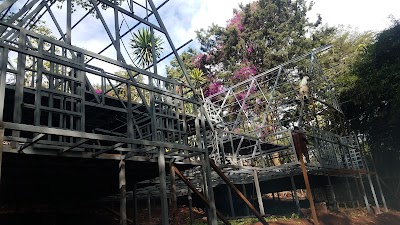
Gigiri
For Diplomats, business travelers, and security-conscious visitors. The trade-off is that it feels somewhat sterile and disconnected from everyday Kenyan life.
The diplomatic blue zone, home to the United Nations African headquarters and numerous embassies. It is exceptionally clean, heavily policed, and green.
Where to stay — High-security luxury hotels and secure guesthouses.
05
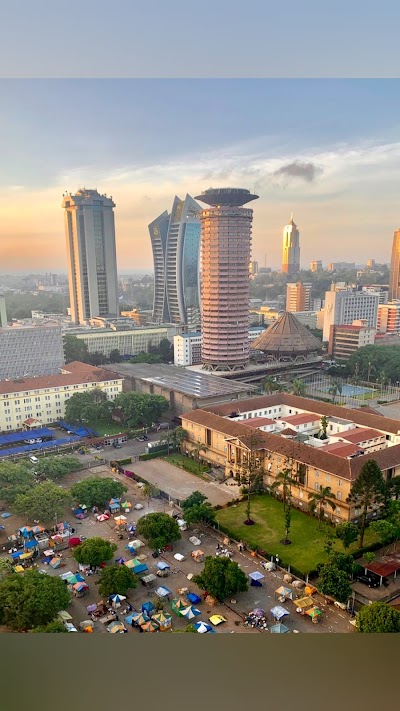
Central Business District (CBD)
For History enthusiasts and business travelers who need to be near government offices. The trade-off is intense noise, pollution, and a higher risk of pickpocketing.
The chaotic, high-energy heart of the city. Streets are packed with commuters, street vendors, and historic colonial-era buildings.
Where to stay — Classic, older business hotels.
06
Lavington
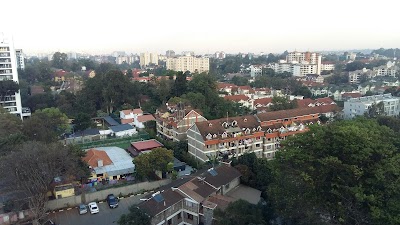
For Long-term visitors and families seeking quiet residential comfort. The trade-off is a lack of public transport and very few budget accommodation options.
An upscale residential neighborhood with leafy streets, hidden restaurants, and high-end villas.
Where to stay — Upscale boutique hotels and private villa rentals.
Book direct
Book a hotel in Nairobi
Loading live availability and real-time prices…
Where to eat
Dining
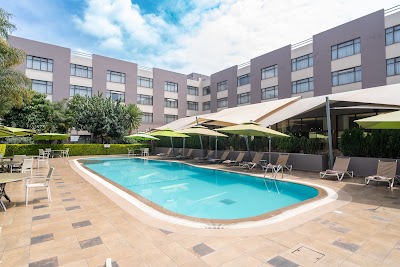
Tamarind Nairobi
€€€€Karen
It has been the city's premier destination for coastal-style seafood preparation for decades, set in a grand Moorish-style building.
Signature — Charcoal-grilled whole snapper with Swahili garlic butter.
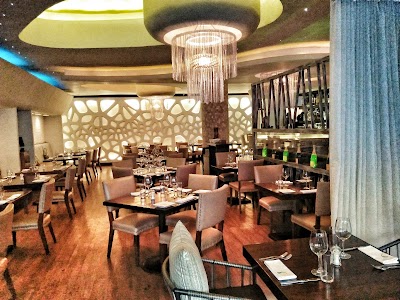
Seven Seafood & Grill
€€€Westlands
A sleek, modern dining room known for its sophisticated presentation of deep-sea catches.
Signature — Indian Ocean prawns flambéed in local gin.
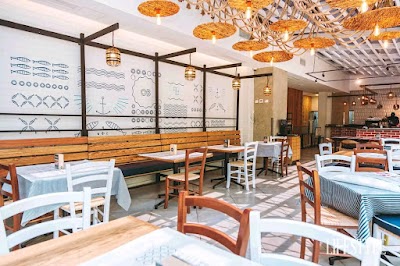
Ocean Basket
€€Westlands
A reliable, casual spot perfect for families wanting straightforward, South African-style seafood platters.
Signature — The family platter of fried hake, calamari, and chips.
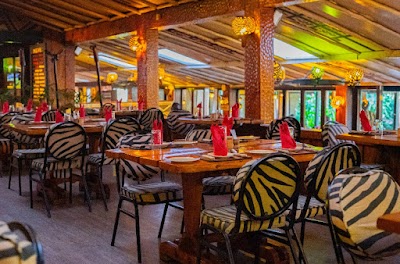
Carnivore
€€€Langata
A legendary dining institution where a massive charcoal pit roasts a variety of meats carved directly at your table.
Signature — Slow-roasted ostrich meatballs and farm-raised crocodile.
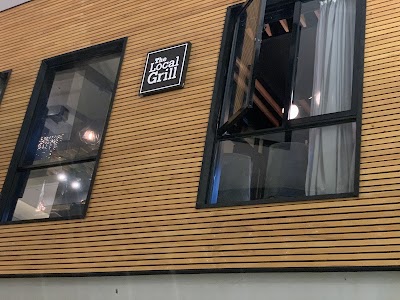
The Local Grill
€€€Westlands
A temple for steak purists, focusing on grain-fed and grass-fed beef aged on-site.
Signature — The dry-aged T-bone steak.
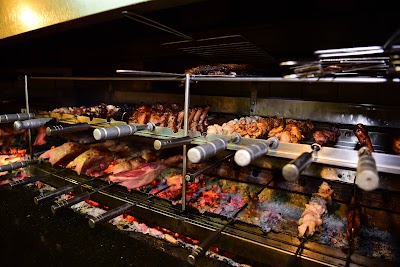
Fogo Gaucho
€€€Kilimani
An all-you-can-eat Brazilian churrascaria offering dozens of cuts of continuous tableside service.
Signature — Picanha steak seasoned with coarse sea salt.
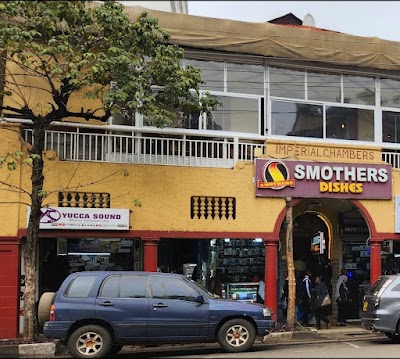
Kosewe Ranalo Foods
€€CBD
The undisputed home of traditional Luo cuisine, packed daily with local politicians and office workers.
Signature — Whole deep-fried Tilapia served with ugali and traditional bitter greens.
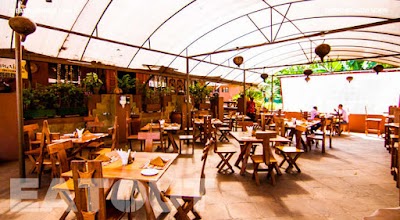
Amaica
€€Gigiri
An upscale setting dedicated to preserving and elevating the diverse culinary heritage of Kenya's different communities.
Signature — Mukimo (mashed potatoes, corn, and pumpkin leaves) with slow-stewed beef.
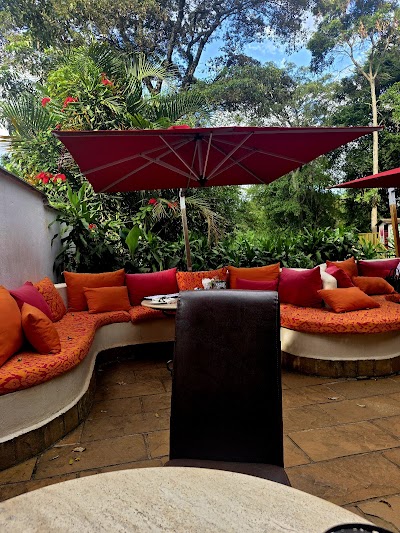
Talisman
€€€Karen
Consistently rated as one of the country's best restaurants, offering an eclectic menu in a beautifully decorated, low-lit garden setting.
Signature — Feta and coriander samosas with chili ginger jam.
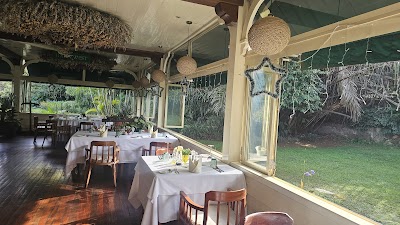
Lord Erroll
€€€€Runda
A historic Tudor-style mansion offering classic French-heritage fine dining surrounded by manicured lawns.
Signature — Classic Beef Wellington.
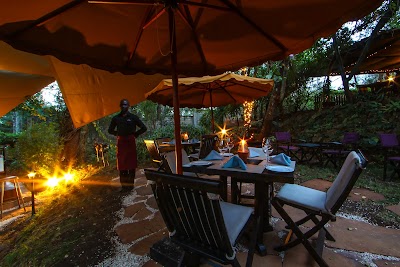
About Thyme
€€€Westlands
An intimate, romantic garden restaurant serving creative international dishes away from the Westlands traffic.
Signature — Pumpkin and amaretto tortellini.
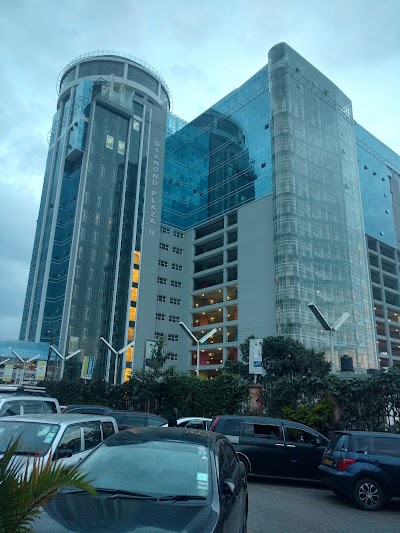
Diamond Plaza
€Parklands
The undisputed center of Nairobi's Indian community, featuring an open-air food court with incredible street food.
Signature — Paneer tikka and masala chips from any of the central stalls.
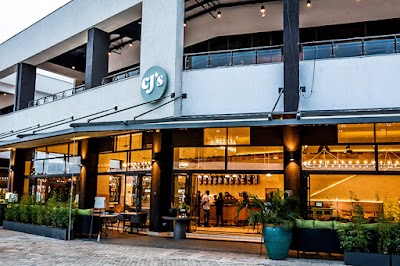
CJ's
€€CBD
A massive, bustling restaurant known for its incredibly extensive menu, fast service, and giant portions.
Signature — The classic chicken pot pie.
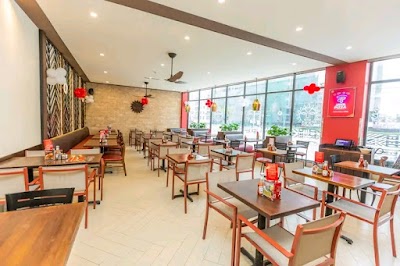
Nairobi Java House
€€Multiple Locations
The ubiquitous local coffee chain that practically invented the modern Kenyan cafe experience.
Signature — A double-shot house coffee with a beef samosa.
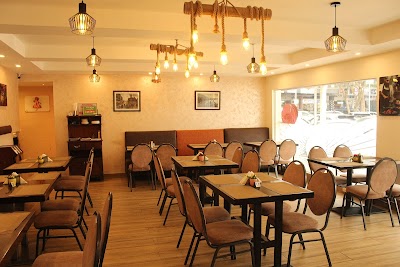
Chowpaty
€€Westlands
A strictly vegetarian restaurant serving authentic, high-quality North and South Indian dishes.
Signature — The giant paper masala dosa.
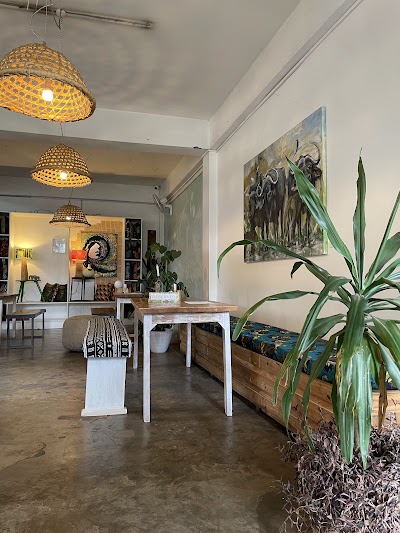
Wasp & Sprout
€€Loresho
A cozy, community-oriented cafe with a strong focus on sustainable, plant-based breakfast and lunch options.
Signature — The vegan breakfast bowl with spiced tofu scramble.
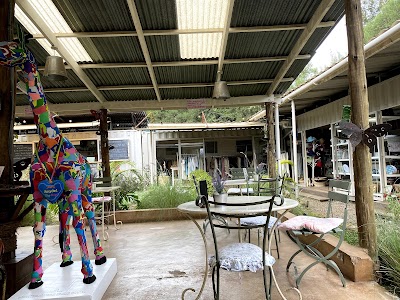
Tin Roof Cafe
€€Karen
An outdoor, eco-conscious cafe offering fresh, healthy salads and gluten-free options.
Signature — The self-select mega salad plate.
After dark
Nightlife
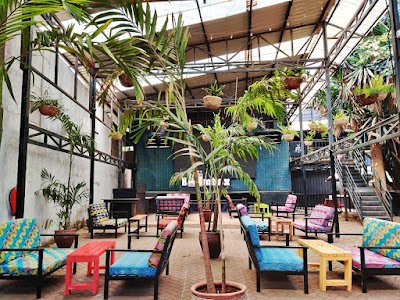
Alchemist Bar
Westlands
An outdoor creative hub that transforms into a multi-stage club at night, hosting the city's best alternative DJs.
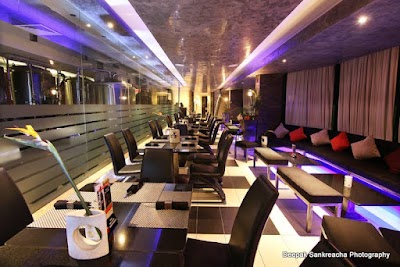
Brew Bistro & Lounge
Ngong Road
A rooftop microbrewery that turns into a high-energy club on weekends with great views of the city skyline.
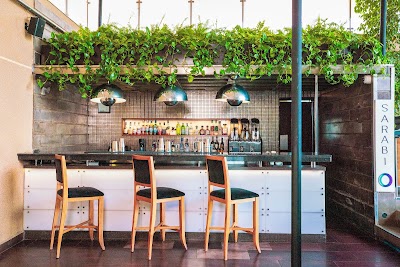
Sarabi Rooftop at Sankara
Westlands
An elegant rooftop pool bar offering sophisticated cocktails and a birds-eye view of the Westlands skyline.
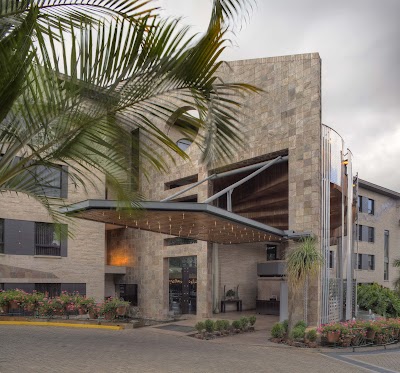
The Nest at Tribe Hotel
Gigiri
An intimate, low-lit rooftop lounge specializing in artisanal martinis and shisha.
Art & history
Culture
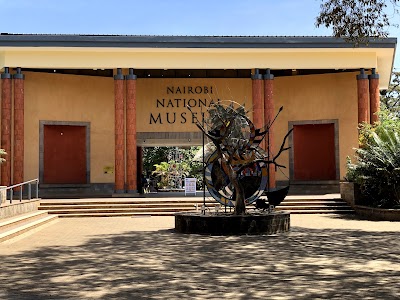
Nairobi National Museum
Museum Hill
Houses an incredible collection of hominid fossils discovered in the Rift Valley, alongside a vast display of East African bird species.
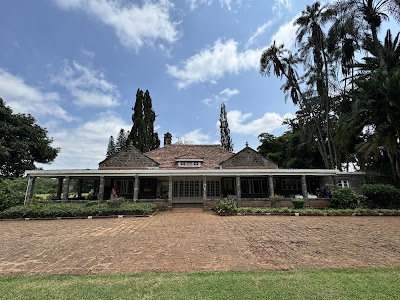
Karen Blixen Museum
Karen
The actual bungalow where the author of 'Out of Africa' lived, preserved with her original furniture and farming equipment.
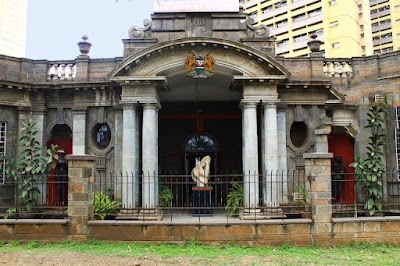
Nairobi Gallery
CBD
Housed in the historic 'Point Zero' building, this gallery contains the Murumbi African Heritage collection of rare African art and textiles.
Book ahead
Top-rated experiences in Nairobi

3 days Masai Mara on Private 4x4 Land Cruiser
from $3360

Nairobi Park Wildlife Safari
from $400

Masai Mara 3 Days Tour Safari Private 4WD Landcruiser
from $1950

6 Days Masai Mara, Lake Nakuru and Amboseli Budget Group Safari
from $1436

Masai Mara 3 Days Luxury Tented Safari
from $2515

5 Days Maasai mara, Lake Nakuru, samburu private lodge safari
from $4143

Nairobi National Park, Elephant Orphanage and Giraffe Center Tour
from $100

4 Days great of Maasai Mara Lake Nakuru joining safari
from $1250
Prices from Viator; we may earn a commission when you book — at no extra cost to you. Tours are sold and operated by Viator, the merchant of record. Ratings are collected by Viator and Tripadvisor.
Timing
When to visit
Dry Season (June to October)
The coolest and driest time of the year. Perfect for safaris in the national park as animals gather around water sources. Evenings get cold enough to require a heavy sweater.
Short Rains (November to December)
Afternoon showers are common, but they rarely ruin plans. The landscape turns incredibly green, and dust levels drop significantly.
Warm Dry Season (January to February)
Warm, sunny days make this an ideal time for outdoor dining and exploring the city's forest trails.
Long Rains (March to May)
Heavy downpours can cause severe traffic gridlock. Many dirt roads in the parks become impassable, though accommodation prices drop.
What it costs
Budgeting
Logistics
Getting around
From the airport
Jomo Kenyatta International Airport (JKIA) is connected to the city center and western suburbs via the Nairobi Expressway. Taxis booked through ride-hailing apps are the safest and most reliable option, taking around twenty minutes to Westlands when using the toll road.
Public transit
The public transit system relies on Matatus—highly decorated, privately owned minibuses playing loud music. While incredibly cheap, they are difficult for newcomers to navigate and often drive erratically.
Passes & tickets
There are no integrated transit passes. All transport is paid for individually, with mobile money (M-Pesa) or cash.
On foot
Nairobi is not a walkable city. Sidewalks are frequently broken or non-existent, and pedestrian crossings are ignored by drivers. Walking is acceptable within specific secure enclaves like Karen, Gigiri, or inside shopping complexes, but not between neighborhoods.
Travel smart
Safety & etiquette
Local etiquette
- •Always ask for permission before taking photos of local people, especially in markets or rural areas.
- •Tipping is not mandatory but highly appreciated; ten percent is standard in sit-down restaurants.
- •Greetings are highly important; never rush into a business transaction or request without first asking 'Habari?' (How are you?).
From the ground
Practical tips
1
Download the M-Pesa app and register your SIM card at the airport; mobile money is used for everything from street food to national park entry fees.
2
Pack a warm jacket or sweater; because of Nairobi's high altitude (1,795 meters), evenings get surprisingly chilly, especially from June to August.
3
Book your slot for the David Sheldrick Wildlife Trust weeks in advance, as they only open for one hour daily and limit visitor numbers.
4
When visiting Karura Forest, remember it is a plastic-free zone; disposable plastic water bottles will be confiscated at the gate.
Nairobi FAQs
Is Nairobi safe for solo travelers?
Yes, provided you stick to well-traveled neighborhoods like Westlands, Kilimani, and Karen, use ride-hailing apps for all transport, and avoid walking alone after dark.
Do I need cash, or is card accepted?
Major hotels, restaurants, and supermarkets accept international credit cards, but mobile money (M-Pesa) is the primary payment method across Kenya. It is highly recommended to set up M-Pesa upon arrival.
Can I see wildlife directly in the city?
Yes. Nairobi National Park is located just seven kilometers from the city center, allowing you to see wild animals with skyscrapers in the background.
Is the tap water safe to drink?
No. Always drink bottled, filtered, or boiled water, even in high-end hotels.