The Nairobi issue
Nairobi on a Long Layover, Hour by Hour
A realistic plan for the hours between flights at JKIA: what fits, what the fees cost, and the traffic windows you have to plan around.

By Lukas BrandtNairobi neighbourhood by neighbourhood, on foot and by matatu
Nairobi is the only capital in the world with a full national park inside its boundary, and the park gates sit closer to the airport than the city centre does. That one piece of geography is what makes a long connection here worth leaving the terminal for: rhino at seven in the morning, a fossil gallery at noon, grilled meat at three, and back through departures for the evening wave of long-haul flights. The constraint is traffic rather than distance, and it is a serious one.
What a long connection here actually buys you
Jomo Kenyatta International sits southeast of the city, on the same side as almost everything worth doing on a tight clock. Leaving the terminal means formally entering Kenya rather than transiting airside, so sort your entry authorisation before you fly and confirm with your airline whether your bags can stay checked through to the final destination. Dragging a suitcase around Lang'ata for eight hours is a miserable way to spend a layover.
Budget the overhead honestly. Immigration on arrival, finding your driver, and then the full return through check-in and security will eat roughly two hours of your connection before you have seen anything. Add thirty to forty-five minutes each way to the Lang'ata side of town outside peak hours, and considerably more inside them. The practical thresholds are these: under six hours, stay in the terminal; six to eight hours gets you one thing near the airport; ten to twelve is enough for two or three; sixteen hours or more gives you a genuine day in the city.
The second rule matters as much as the first. Pick one side of town and stay on it. Nairobi's morning crush runs roughly from half past six to half past nine, and the evening one from four until well past seven. The Museum Hill and city-centre approaches are the worst of it. A plan that crosses the city twice in a day is a plan that ends with you watching your flight close from a stationary car.
Plan your Nairobi trip
Live prices from our booking partners.
Free cancellation on many rooms. We may earn a commission when you book.
Big animals before the city wakes up
Nairobi National Park (Lang'ata) is the single best use of a long layover, and the arithmetic works if you start early. The Mbagathi and Lang'ata gates are thirty to forty-five minutes from the airport outside rush hour. The non-resident conservation fee is USD 80 per adult under the KWS rates effective 1 October 2025, plus a vehicle fee from around KSh 600; guided layover drives, including the airport transfer, typically run USD 120 to 200 per person. Pay on eCitizen in advance by card or M-Pesa, because the gate does not take cash. Budget a hard three hours for the loop plus transfer and do not try to shave it.
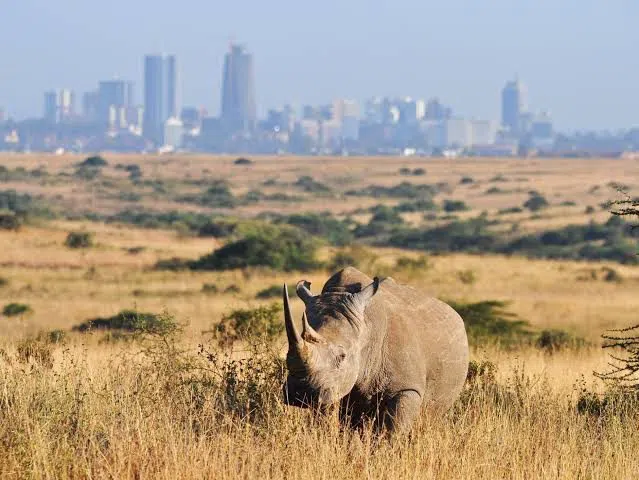
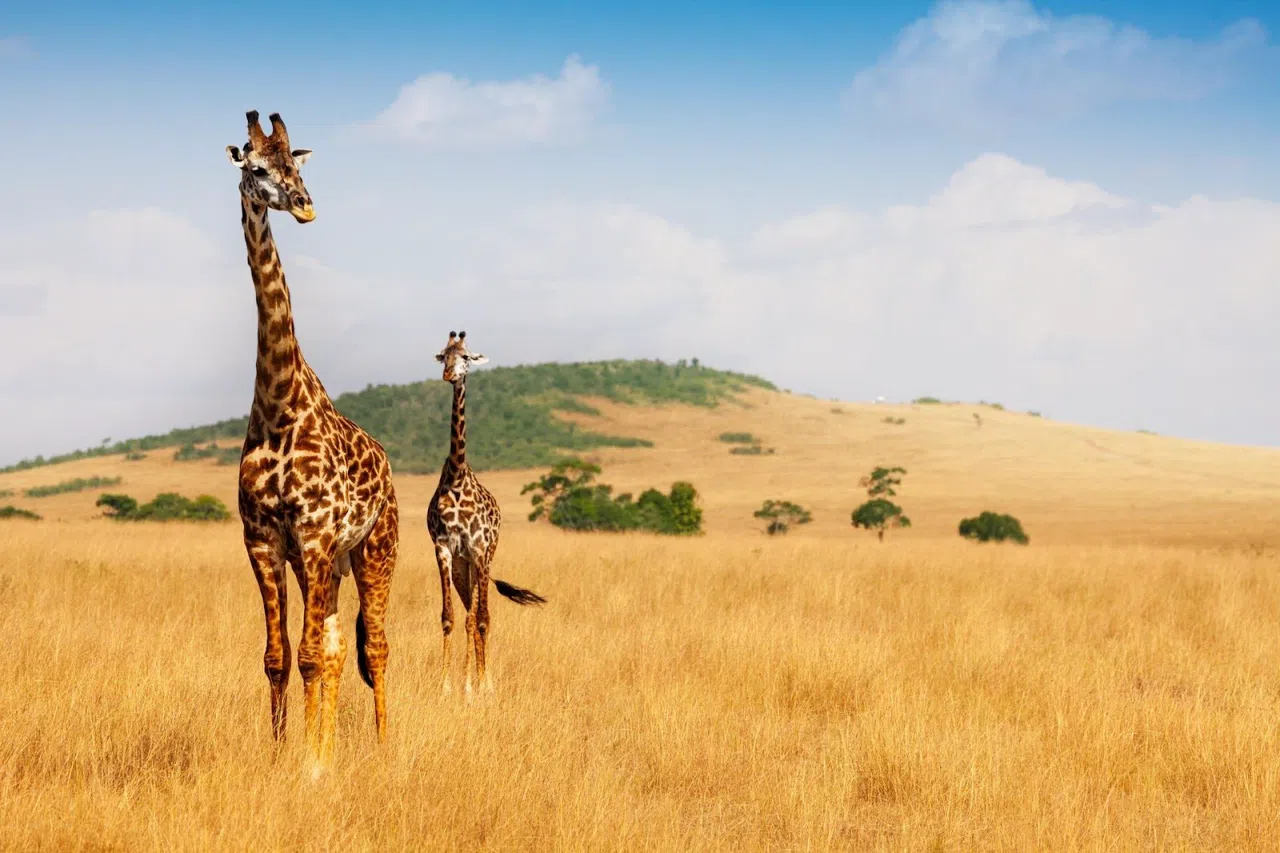
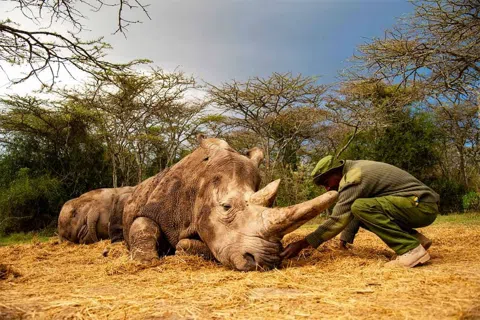
The format is vehicle-based, which suits groups: six to eight seat pop-top vans and minibuses are the norm, the conservation fee is per person and the vehicle fee per car, and there is no group cap or door policy to negotiate. Two people pay the same per-head fee as eight, so a couple carries the vehicle cost alone. This is not the Mara. What you get instead is black rhino, lion, buffalo and giraffe photographed against the skyline of a working city, which is a rarer thing.
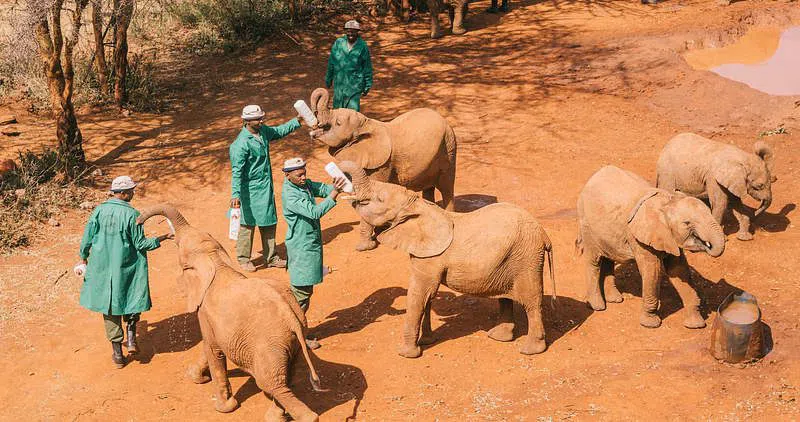
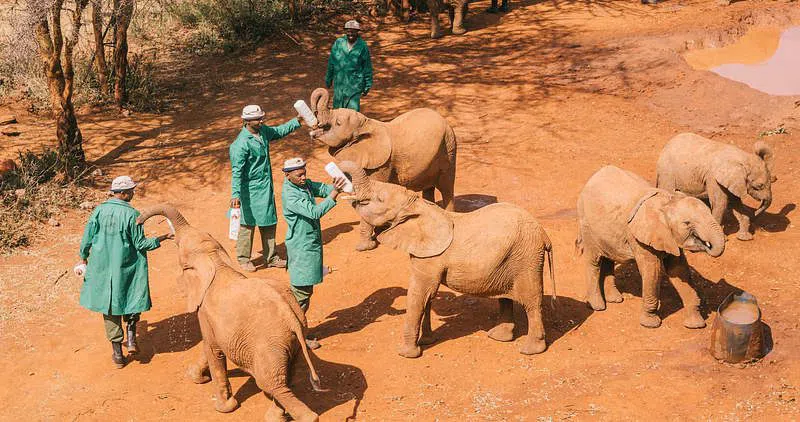
Sheldrick Wildlife Trust Nairobi Nursery (inside the park, on the Mbagathi Gate side) is the visit that dictates the shape of your entire day, so decide about it first. It opens for one hour only, 11am to 12pm, daily except 25 December. Booking is by advance email to the Trust with named guests, capacity is limited, and you should allow two business days for confirmation and book weeks ahead. Only a confirmation issued by the Trust itself is valid at the gate. Bookings sold through Viator, GetYourGuide or Tripadvisor are refused, and people are turned away for this regularly. Entry is a USD 20 adult donation, USD 5 for children under 12, paid in cash on arrival, plus the mandatory KWS park entry fee paid separately on eCitizen. Arrive by 10:30am for Mbagathi Gate processing.
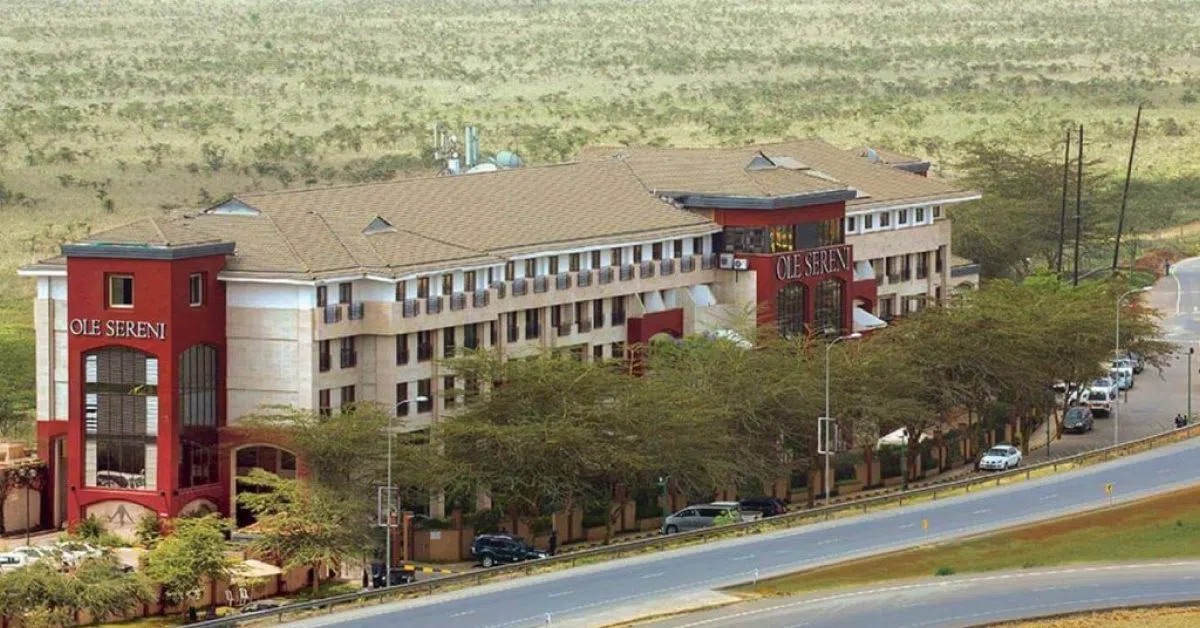
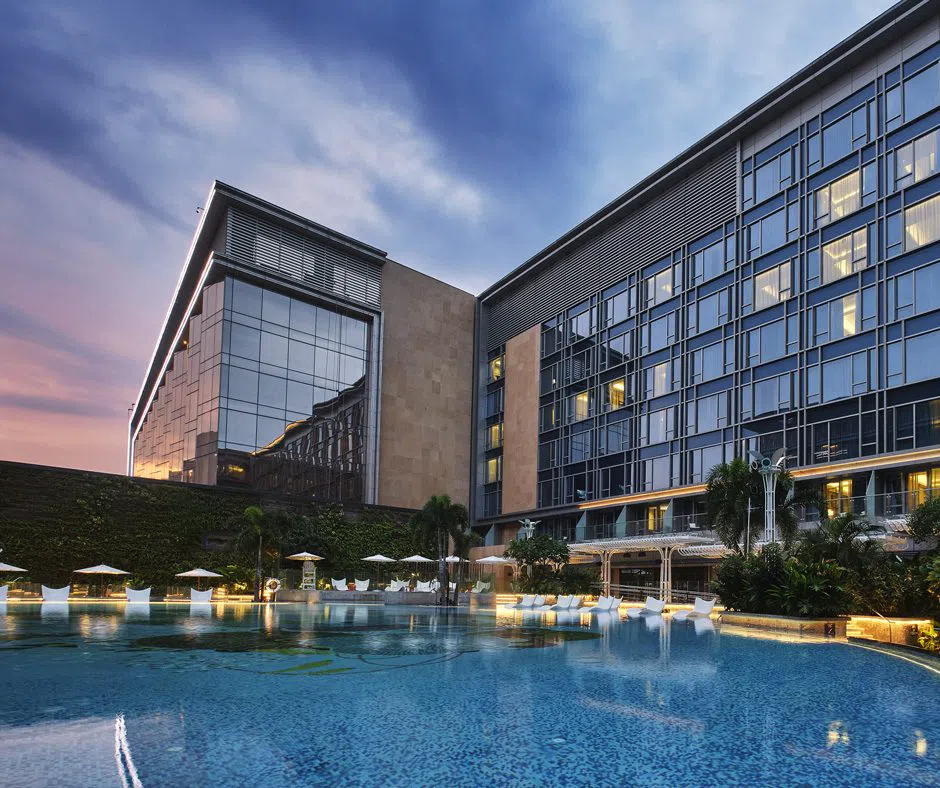
Ole Sereni (on the airport road, ten to fifteen minutes from the terminal) is the quiet answer for anyone who cannot face a game drive but wants the park anyway. It is the only hotel bordering Nairobi National Park, and you can watch animals at the waterhole from the pool terrace over lunch without paying park fees at all. Rooms start around USD 85; a pool-and-lunch visit costs the price of a meal. Day use is not an advertised package, so if you want a room to shower and sleep before a night flight, pre-book early check-in directly with reservations and expect to pay the full overnight rate. It is a sane option if your connection is awkward and a longer stay makes more sense, and worth comparing against a Nairobi hotel search before you commit.
The Karen and Lang'ata loop
These sit within ten or fifteen minutes of one another on the airport's side of town, and they are the backbone of any layover between eight and sixteen hours.
Giraffe Centre (Lang'ata) is the most reliable wildlife stop on a tight clock, because it asks nothing of you in advance. It is open 9am to 5pm daily, walk-ups need no booking, and there is no fixed session time to hit, so you arrive when the traffic lets you. Non-resident adults pay KSh 1,500. Organised and school groups get special rates and go free if booked at least a week ahead, so it is unusually well set up for families and larger parties.

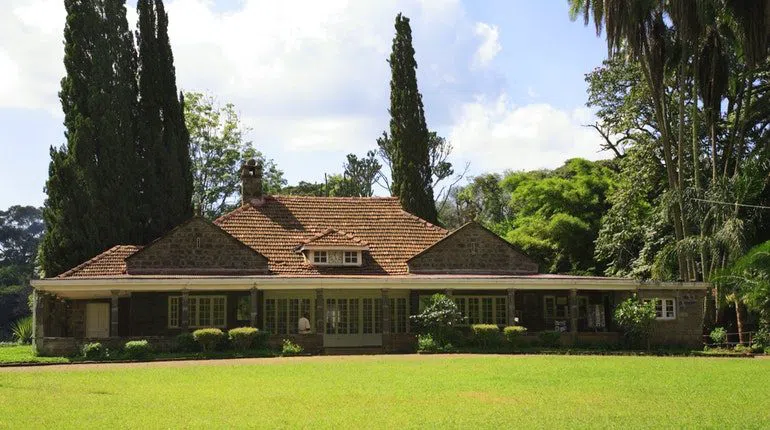
Karen Blixen Museum (Karen) is the easiest hour of history in the city. The farmhouse at the foot of the Ngong Hills is open daily 8:30am to 5:30pm including public holidays, tours run continuously in several languages with the guide included in the ticket, and no advance booking is needed even for groups. Admission is USD 17 for adults from outside Africa and USD 8 for children under the fees revised on 7 May 2026, paid through eCitizen, so expect a digital transaction rather than cash at the desk.
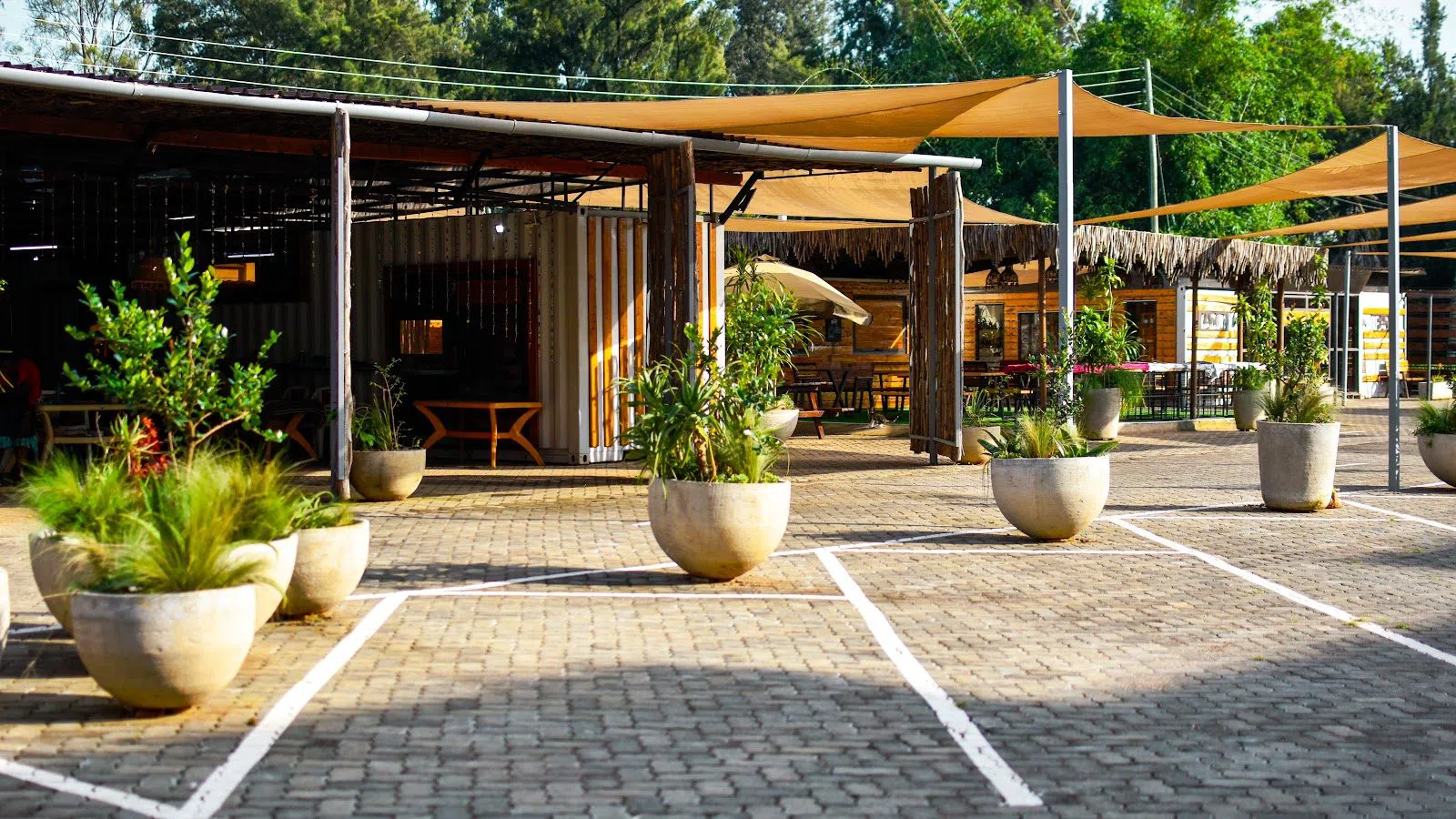
Kazuri Beads Factory (Karen) is free, takes thirty minutes, and is the one souvenir stop that survives an airport bag search intact. The guided tour follows a bead from wet clay through to glaze, the co-operative has employed single mothers since 1975, and beads and ceramics start from a few hundred shillings. Tours run on arrival and absorb groups easily; jewellery-making sessions are arranged direct. It is open Monday to Saturday 8:30am to 5:30pm and closed on Sundays, which catches people out.
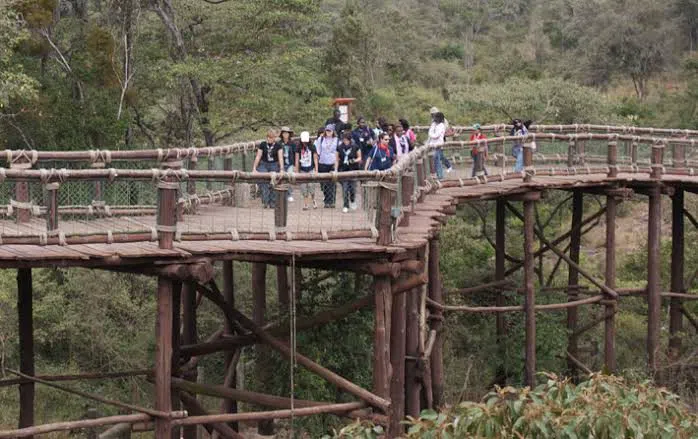
Nairobi Safari Walk (Lang'ata Road, immediately inside the KWS headquarters gate) is the plan B when your connection is too short for a real game drive. It is a boardwalk park, walk-in, no vehicle and no booking, and ninety minutes on foot covers it. Non-resident adults pay USD 25 and children USD 15; a combined Sanctuary Package with the Animal Orphanage next door is USD 40. It is open 8:30am to 5:30pm and, again, pay on eCitizen beforehand because the gate takes no cash.

Uhuru Gardens National Monument and Museum (Lang'ata) costs nothing and sits on the same side of town as the park and the giraffes. Redeveloped by the Kenya Defence Forces and reopened in December 2021, it holds 12,300 items across 22 galleries in large open grounds that handle groups without effort. The one caveat is real: it closes at short notice for state and private events, so call on the day rather than building your route around it.
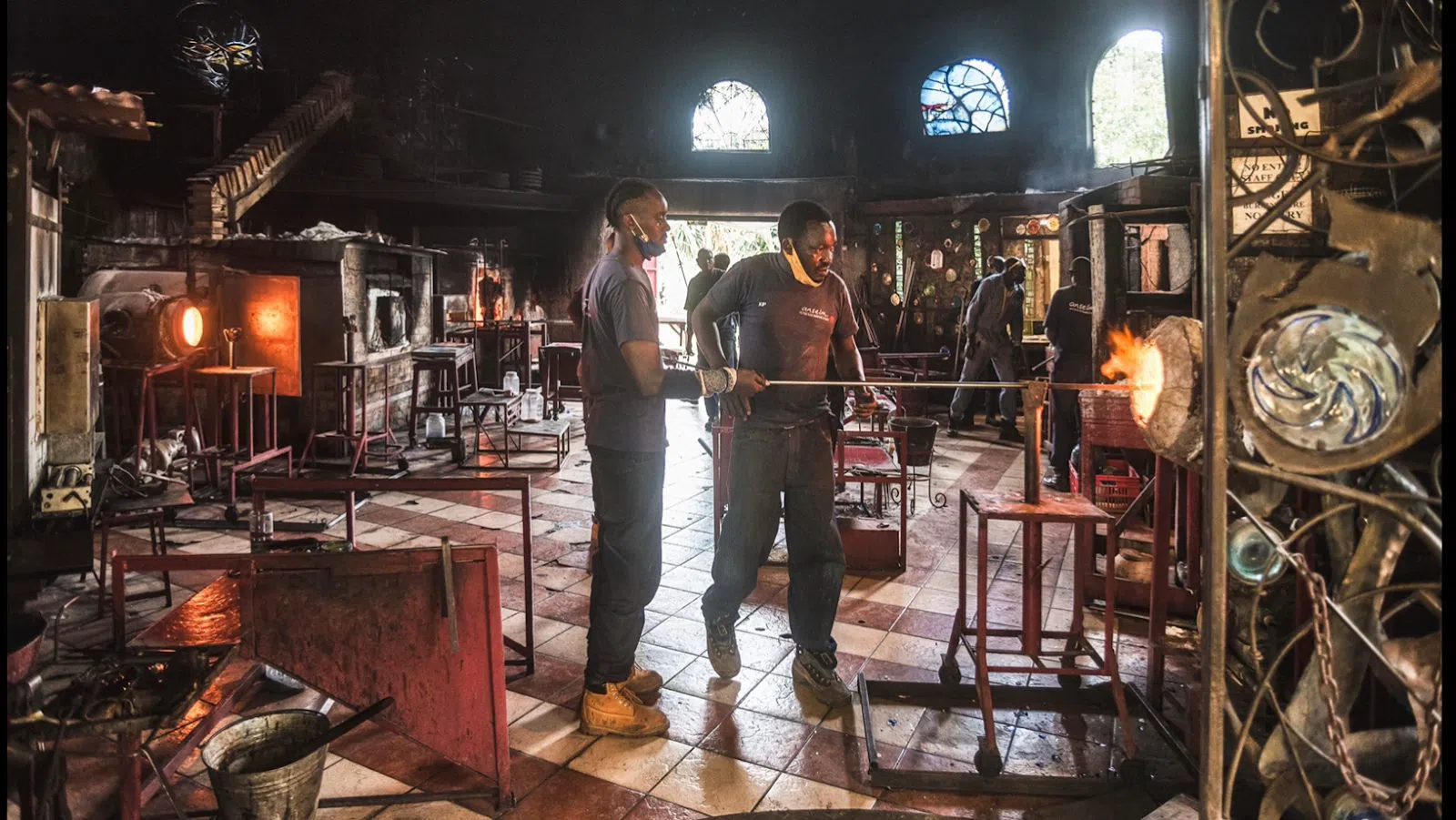
Kitengela Hot Glass (on the far side of the park) is worth it only if you have eight clear hours or more. Glassblowing runs 8am to 4:30pm Tuesday to Saturday and 9am to 1pm on Sunday and Monday, wandering the studio is free, and bead, mosaic and glassblowing sessions are bookable on the day for an extra fee. The café is inexpensive. The problem is the return: it is a long way out past the park's edge and the traffic coming back is unforgiving, which has cost people flights.
If you land at dawn
Karura Forest (Gigiri) is a thousand acres of indigenous forest with a waterfall and caves, ten minutes from the diplomatic quarter. Gates open at 6am with last entry at 5:45pm, there are colour-coded 5, 10 and 15 kilometre trails, guided eco-tours and bike hire, and groups walk in freely; dogs need a licence. Non-resident adults pay roughly KSh 600 to 850 depending on the gate and category, children about half, and fees are eCitizen only with no cash accepted anywhere.
Be clear-eyed about where it is. Karura sits on the opposite side of the city from the airport, so it makes sense on an early landing when you can be in the trees before the morning traffic sets, or on a very long layover where an hour each way is affordable. It is the right call if what you want after a red-eye is air and daylight rather than another ticketed attraction.
A city-centre window of two hours
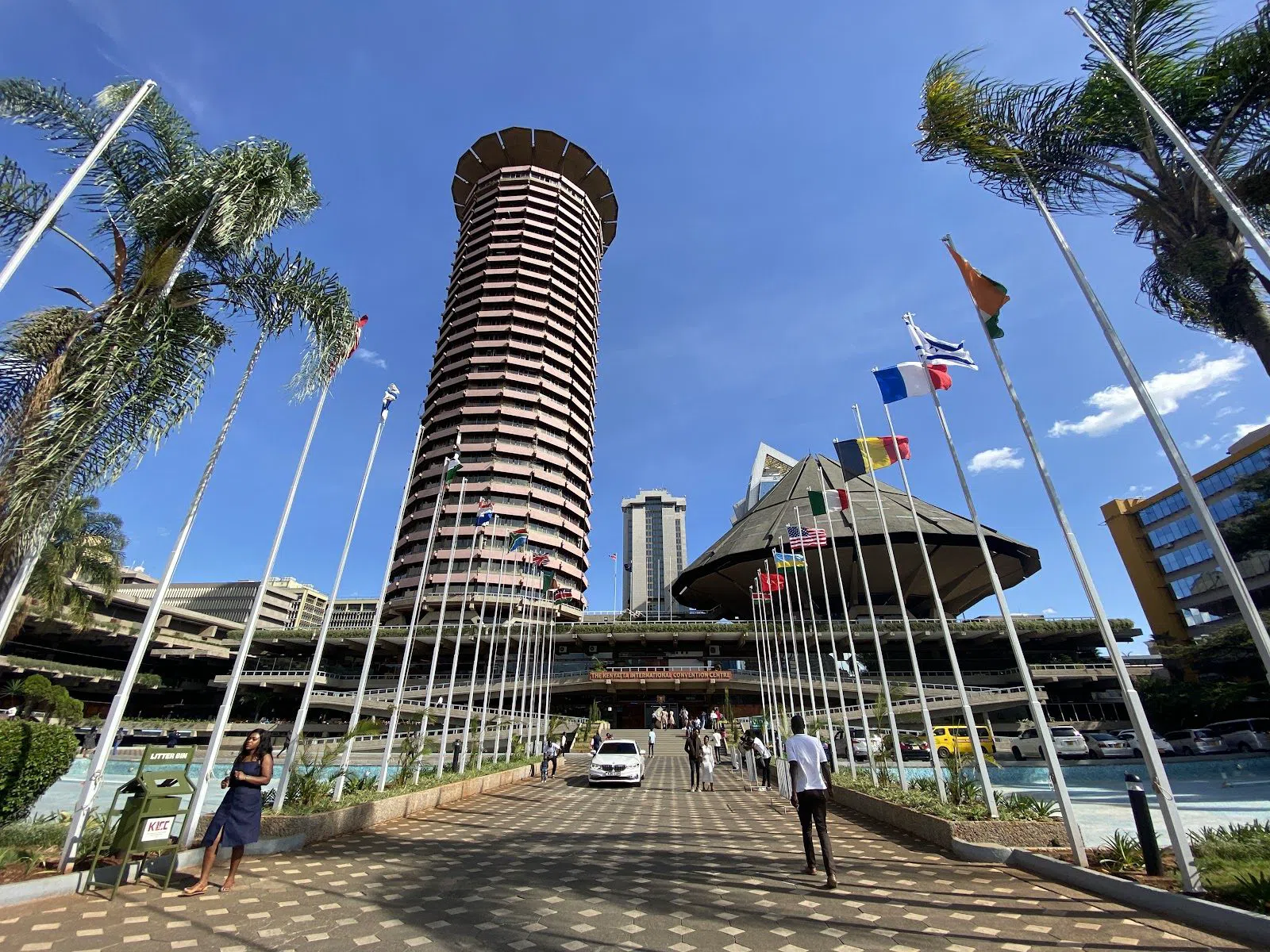
KICC Rooftop Helipad (central business district) is the fastest payoff in Nairobi. It is open daily 8am to 6pm, costs about USD 10 for non-residents against KSh 200 for citizens and KSh 300 for East African residents, needs no reservation, and takes twenty minutes. Bring your passport or photo ID, because it is checked at the lift. On a clear afternoon you can pick out the Ngong Hills from the deck.
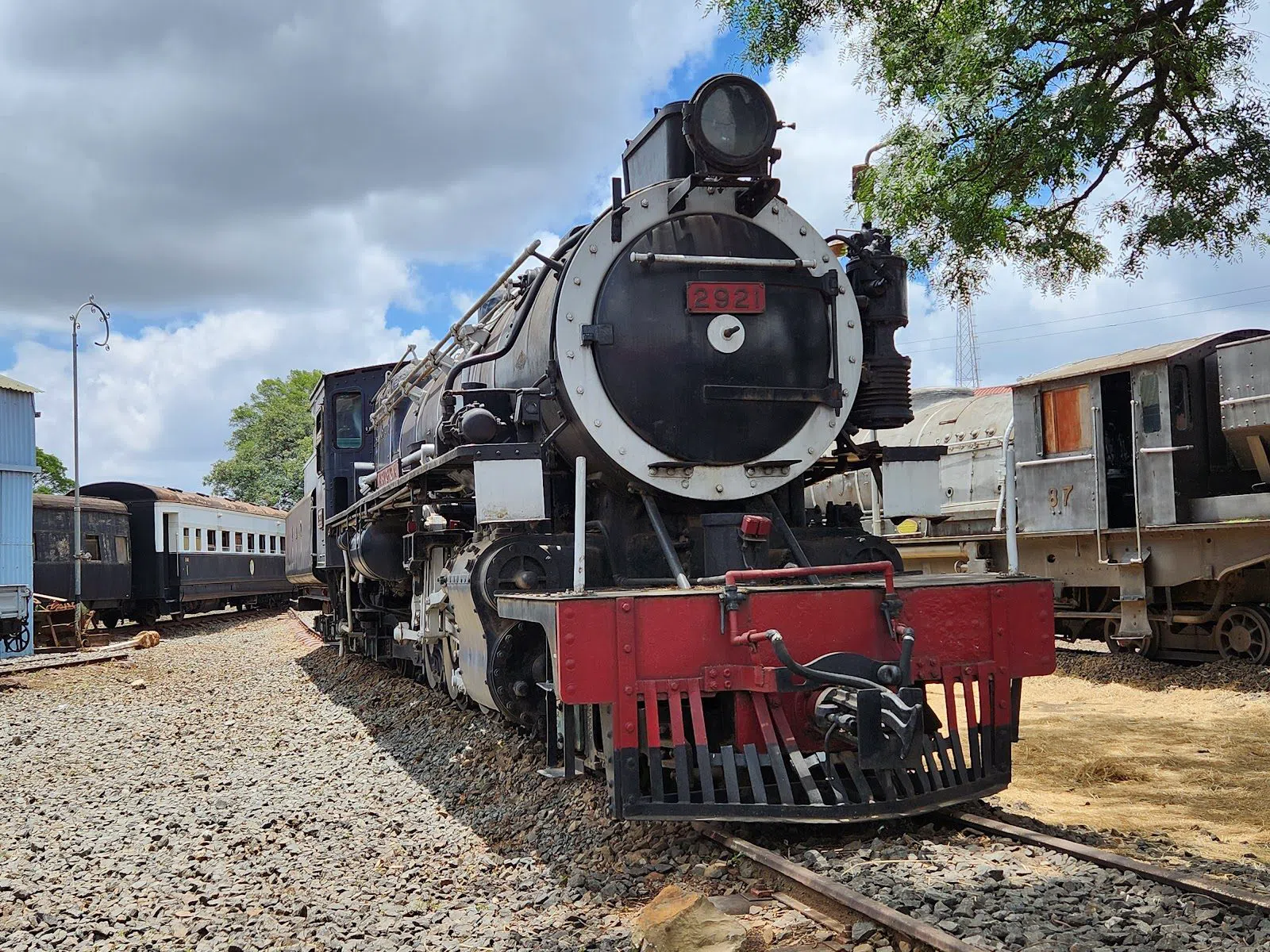
Nairobi Railway Museum (beside Nairobi Railway Station, walkable from the centre) is a genuinely odd, half-outdoor hour and the best short explanation of why this city exists at all: it grew from a railway depot on the line inland, and the rolling stock is still sitting there. Entry is around KSh 600 for international visitors and KSh 300 for locals, it is open daily 8:30am to 5:30pm, and walk-ins and groups are both fine. Formal photoshoots are charged separately, about KSh 1,000 for one person and KSh 10,000 for a group.
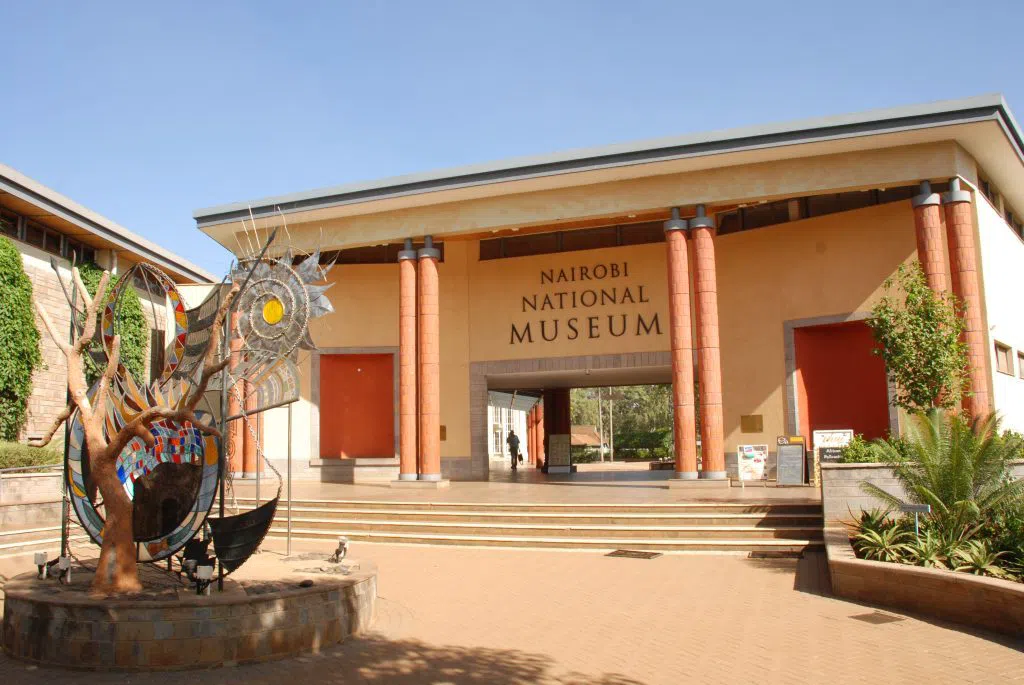
Nairobi National Museum (Museum Hill) has the strongest single room in the country in its Cradle of Humankind fossil gallery, and it is open 8:30am to 5:30pm every day of the year including holidays with no booking required. Adults from outside Africa pay USD 18 and children USD 9 under the 7 May 2026 revision; the Snake Park is ticketed separately. Groups of ten or more can arrange evening night tours from 6pm to 10pm in advance. Its central location is exactly why you should not attempt it between 4pm and 7pm. That approach is the worst road in the city at that hour, and a museum is not worth a missed flight.
Where to eat before you fly
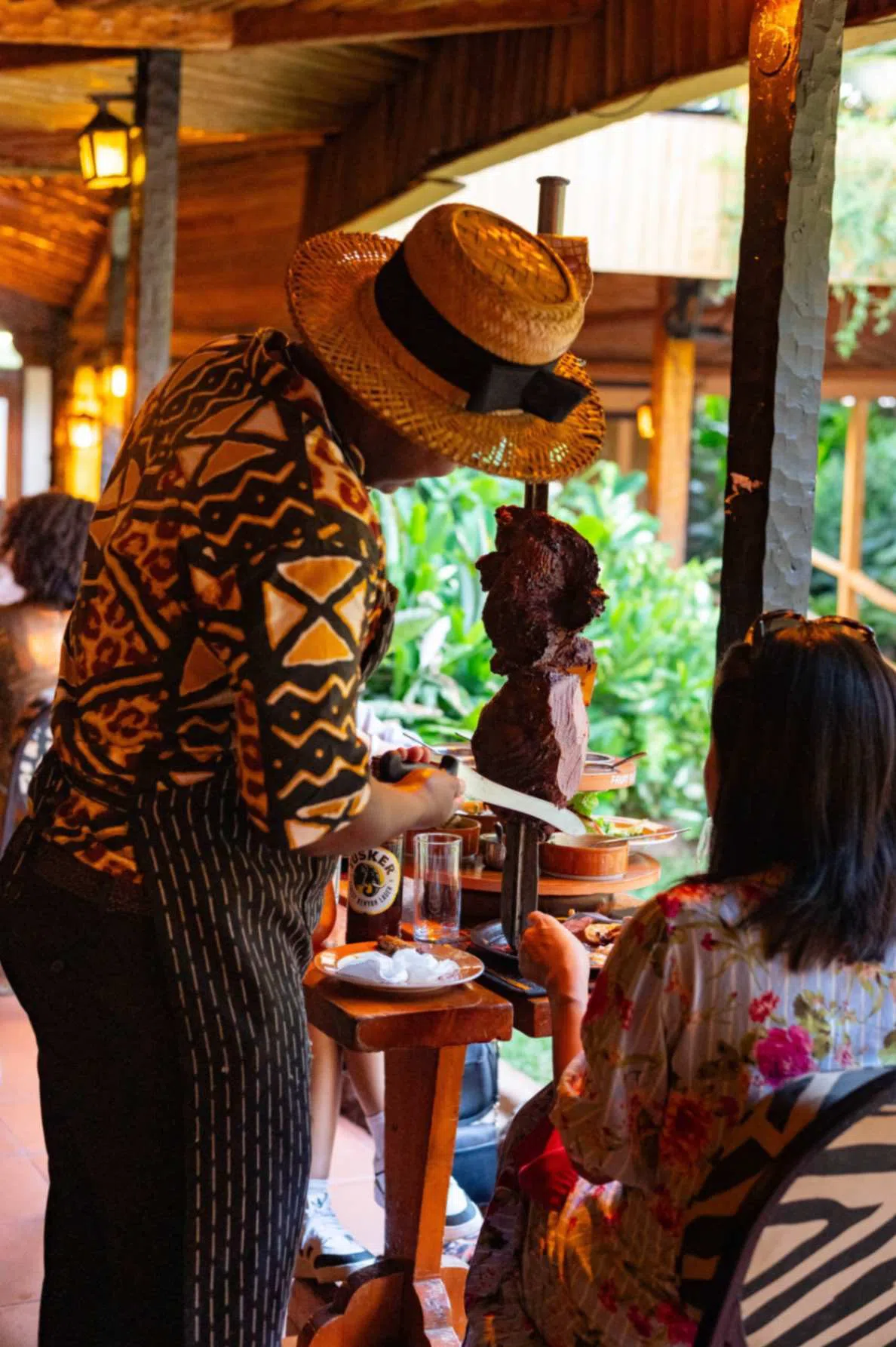
The Carnivore Restaurant (Lang'ata Road) has been running since 1980 and remains the most efficient way to eat Kenyan grilled meat when you are on a clock. The all-you-can-eat Beast of a Feast runs roughly USD 35 to 50 per person with drinks extra, and the long tables and coach park make it the default large-party booking in the city. The flag on your table stays up until you surrender it. It is five kilometres from the centre and close to the Lang'ata attractions, which is the real argument for it on a layover; a couple after a quiet dinner should go elsewhere.

The Talisman (Karen) is the best sit-down meal within reach of the Karen circuit, set in the former home of the wildlife film-maker Alan Root and known for its feta and coriander samosas. Reckon on KSh 2,500 to 5,000 a head for two courses. Group bookings go through the phone line or the online reservation form with confirmation by call or email, and reservations are strongly advised because the garden fills. Check the day of the week: the kitchen runs Tuesday to Friday 11am to 10pm, Saturday 9am to 10pm and Sunday 9am to 9pm, so a Monday layover misses it entirely.
Mama Oliech Restaurant (Marcus Garvey Road, Kilimani) is the fish house that Idris Elba and Mark Zuckerberg both made a point of visiting, now run by the founder's daughter and open late. Order the whole fried tilapia, typically KSh 1,200 to 2,000 with sides. Seating is casual and spacious enough to absorb walk-in groups and there is no door policy, but the kitchen is unhurried and service slows noticeably when it is full, so give it more time than you think before a flight.
Three layovers, three plans
Six to eight daylight hours: one stop, close in. Either Nairobi Safari Walk and the Giraffe Centre back to back, or lunch on the terrace at Ole Sereni watching the waterhole. Nothing central.
Ten to twelve hours: a guided park drive at gate opening, the Giraffe Centre afterwards, then an early lunch at The Carnivore or The Talisman, and back to the terminal by mid-afternoon.
Sixteen hours or more: park gates at first light, Sheldrick Wildlife Trust Nairobi Nursery at 11am if you booked weeks ago, then the Karen loop (Karen Blixen Museum and Kazuri Beads Factory) with a late lunch and a return to JKIA by four, before the evening jam sets. Only add the city centre if you are willing to sit in traffic for the KICC Rooftop Helipad view.
Practical notes
Transport. Book a driver for the whole window rather than chaining ride-hailing trips; the fixed cost buys you a car that waits while you are inside a park and a person who knows when a road has gone. Guided layover drives usually bundle the airport transfer, which is the simplest arrangement of all.
Money. Nairobi runs on M-Pesa and cards. Every KWS site (the park, the Safari Walk, Karura, the museums) is eCitizen only, with no cash accepted at any gate, so pay before you travel. The one firm exception is the Sheldrick donation, which is cash on arrival in US dollars. Carry a small amount of shillings for the Giraffe Centre, Kazuri and street purchases.
Timing. The whole day is governed by two rush hours, roughly 6:30 to 9:30am and 4 to 7:30pm. Aim to be moving before the first and back through JKIA before the second. Add an hour of slack to whatever plan you build, and be back at the terminal three hours before a long-haul departure.
Budget. A guided park drive with transfer lands at USD 120 to 200 per person all in. A no-park day of Giraffe Centre, Karen Blixen Museum, Kazuri and a good lunch comes in nearer USD 60 to 80 per person plus the car. A short city run with the KICC deck and the Railway Museum costs under USD 20 in tickets. For deeper background on districts, seasons and where to stay if the connection turns into a night, see the full Nairobi guide.
Before you go
Can I leave the airport during a layover in Nairobi?
Yes, but you are formally entering Kenya rather than transiting airside, so arrange your entry authorisation before you fly and check with your airline whether bags can stay checked through. Allow around two hours of your connection for immigration on arrival and the full return through check-in and security before you plan anything else.
How long a layover do I need to visit Nairobi National Park?
Budget a hard three hours for the loop plus transfer, on top of the roughly two hours of airport overhead. That means about ten hours of connection to do it comfortably. The Mbagathi and Lang'ata gates are 30 to 45 minutes from JKIA outside rush hour, and the non-resident conservation fee is USD 80 per adult plus a vehicle fee from about KSh 600.
Can I see the Sheldrick elephant nursery on a layover?
Only with planning. It opens for one hour, 11am to 12pm daily except 25 December, and requires advance email booking direct with the Trust using named guests. Allow two business days for confirmation and book weeks ahead. Bookings made through Viator, GetYourGuide or Tripadvisor are refused at the gate. Entry is a USD 20 adult donation in cash, plus the KWS park entry fee paid separately on eCitizen.
Do I need cash, or will a card work?
Cards and M-Pesa cover most of it, and every KWS site (the national park, Nairobi Safari Walk, Karura Forest and the national museums) is eCitizen only with no cash taken at the gate, so pay in advance. The exception is the Sheldrick donation, which must be cash in US dollars on arrival. Carry some shillings for the Giraffe Centre, Kazuri and small purchases.
What is the shortest layover worth leaving JKIA for?
About six hours in daylight, and only for something on the airport's side of town: the Nairobi Safari Walk and Giraffe Centre pairing, or lunch at Ole Sereni overlooking the park waterhole. Under six hours, stay in the terminal. The two rush hours, roughly 6:30 to 9:30am and 4 to 7:30pm, can swallow any margin you think you have.