The Nairobi issue
Nairobi's Weekend Circuit of Craters, Steam and Rift Lakes
Two hours west of the city you can stand inside a volcano before lunch, cycle past zebra in the afternoon and swim in the run-off of a power station by dusk. Here is how to string it into one honest weekend.

By Inês CarvalhoEating Nairobi from nyama choma pits to Eastleigh cafés
Ninety minutes past the last Nairobi roundabout the tarmac tips over the escarpment and the floor of the world drops away: a grey-green plain with volcanoes standing on it like burnt loaves, and a haze of geothermal steam smudging the far side. The viewpoint stalls sell sheepskins, carved gourds and roasted maize at around KES 50 a cob, and the wind coming up the scarp carries dust, charcoal smoke and a faint mineral sourness. Everything below that viewpoint fits inside one weekend, and I have driven the loop in enough seasons to know which stops earn the fuel and which ones do not.
This is a geology weekend before it is a wildlife weekend. Come expecting rhino and you will overpay. Come expecting craters, lava tubes, hot springs and soda flats and you get one of the most concentrated volcanic landscapes on the continent, all of it within a tank of diesel from the city.
Standing inside a volcano before lunch
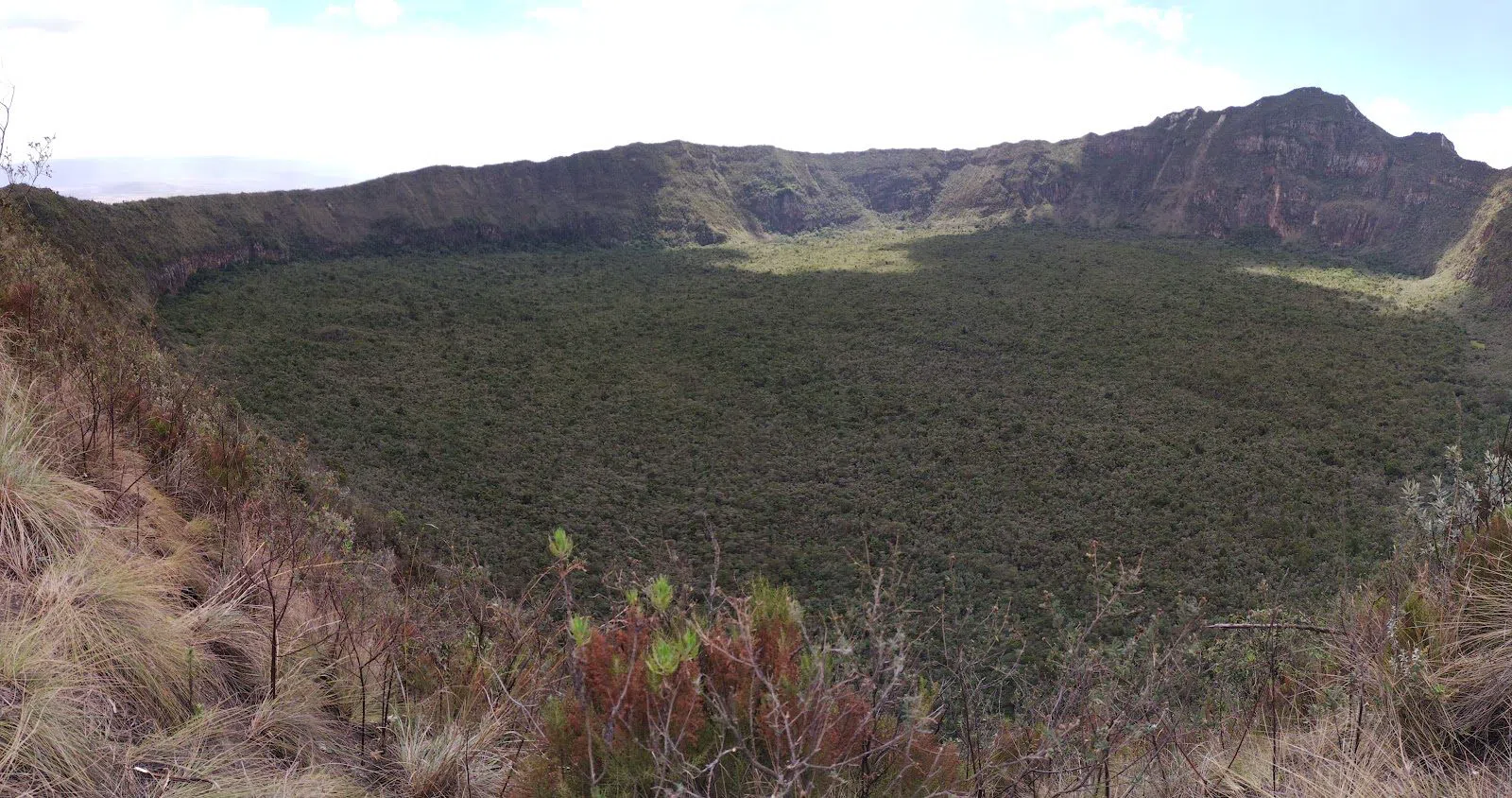
Mount Longonot National Park (Longonot, straight down the escarpment on the Old Naivasha road) is the stop worth leaving the city in the dark for. The climb to the rim is 3.2km of loose volcanic scree that behaves like ball bearings on the way down, and the full loop around the rim adds another punishing 7km with almost no shade and several false summits that will break a casual walker's spirit. In return you stand on the lip of a Rift volcano and look down into a forested crater floor, ninety minutes from a capital city.
Entry is USD 50 for a non-resident adult and KES 500 for an East African citizen, paid per head through eCitizen KWSpay. Pay before you arrive, because gate queues on a Saturday morning are the single biggest time sink on this trip. Walk-in groups are fine and no booking is needed. KWS rangers and guides wait at the gate and are worth hiring for larger parties, both for pace-setting and because the rim path is genuinely exposed. Start by 06:30. Carry two litres of water per person, minimum, and take the rim loop only if everyone in the group is honestly fit. Nobody has failed by turning back at the rim after the 3.2km climb; that is the sensible version of the day.
Plan your Nairobi trip
Live prices from our booking partners.
Free cancellation on many rooms. We may earn a commission when you book.
The one park where you can get off four wheels
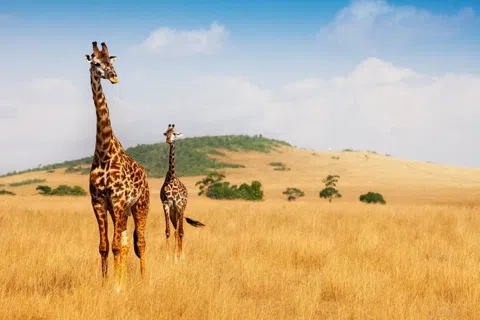
Hell's Gate National Park (Elsa Gate, above the south shore of Lake Naivasha) is the most social stop on the circuit. It is the Kenyan park you may walk, cycle and rock-climb in among wildlife: zebra and giraffe drift across the track while you pedal past, and climbing guides work the red cliffs at Fischer's Tower most weekends. Park entry is USD 50 for non-residents, plus a cycling fee of KES 300 (USD 10). Bike hire runs KES 500 to 800 a day at the gate and e-bikes are now on the racks, which changes the maths entirely for anyone who wants the distance without the thighs.
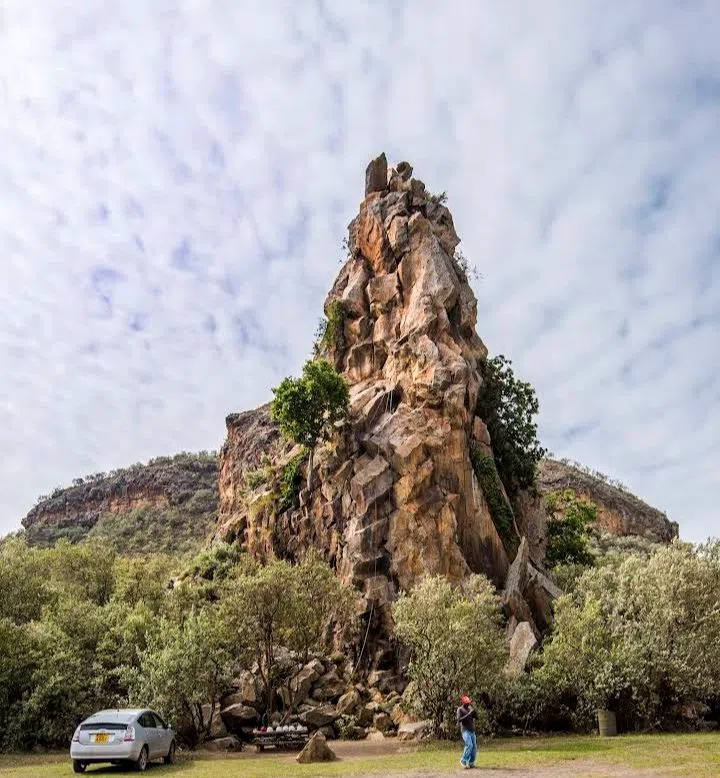
Groups are the natural fit here. No vehicle is required, and the bike-hire and climbing outfits cluster at Elsa Gate and are used to handling twenty people at once. Confirm Ol Njorowa Gorge access at Elsa Gate on the day. The gorge closes on flash-flood risk, and that call is made at the gate, not on a website. If it is shut, the cycling loop still stands on its own.
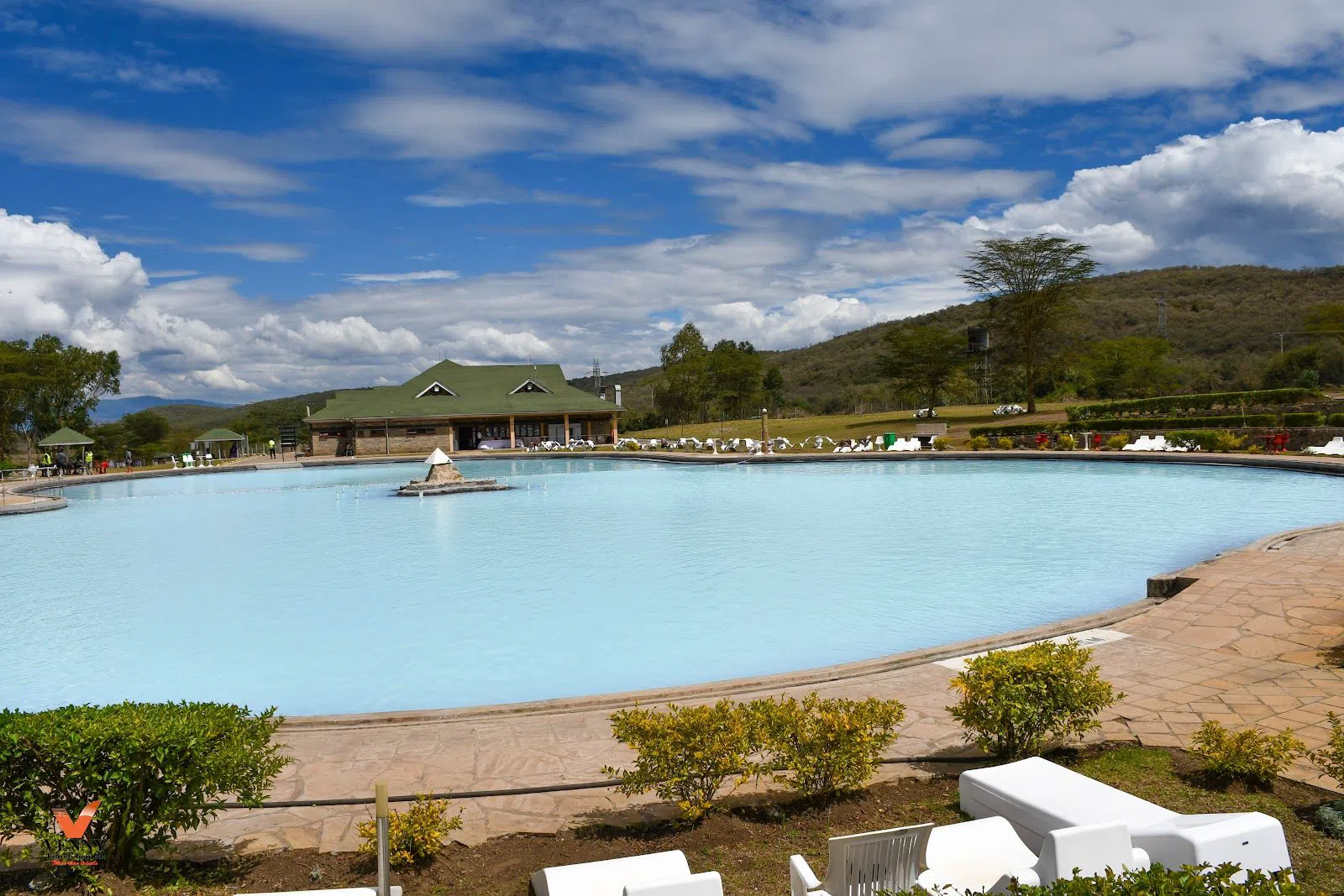
Inside the same park, KenGen Olkaria Geothermal Spa (Olkaria, reached through Hell's Gate) is the strangest swim in Kenya: Africa's largest natural geothermal spa, run by the power utility, filled with the hot run-off of a working geothermal station. The water is opaque blue-grey, faintly eggy, mineral on the lips, and hot enough that most people go pink and quiet within ten minutes. It opens daily 08:00 to 17:00. The spa fee sits in the low KES 1,000s and is charged on top of the USD 50 KWS park entry, so budget for both; people are caught out by that every weekend. The booking portal has a dedicated student and under-18 group category, so school parties and youth groups are handled properly rather than tolerated.
Lava tubes, a double caldera and a mandatory guide
Mount Suswa Conservancy (Suswa, off the Mai Mahiu road) is the circuit's wild card. It holds over 30 cave mouths in one of Africa's great lava-tube systems, plus a rare double caldera, a crater sitting inside a crater. Inside the tubes the temperature drops, the floor turns to fine grey dust, and bats move overhead in a dry rattle of wings. It is Maasai community-run, and both the 4x4 and the local guide are non-negotiable: the track in is rough, the cave floors have collapse holes, and the guides are the only people who know which chambers are currently safe.
Fees are USD 30 for non-residents, KES 1,000 for residents and KES 500 for citizens, plus a guide fee of KES 2,000 to 3,000 per group and separate vehicle and camping charges. Because the guide fee is per group rather than per head, Suswa gets cheaper the more of you there are; six people split it into nothing. Camping is arranged by email to [email protected], and a night here, under a sky with no light pollution for forty kilometres, is the best one on the circuit for anyone willing to be uncomfortable.
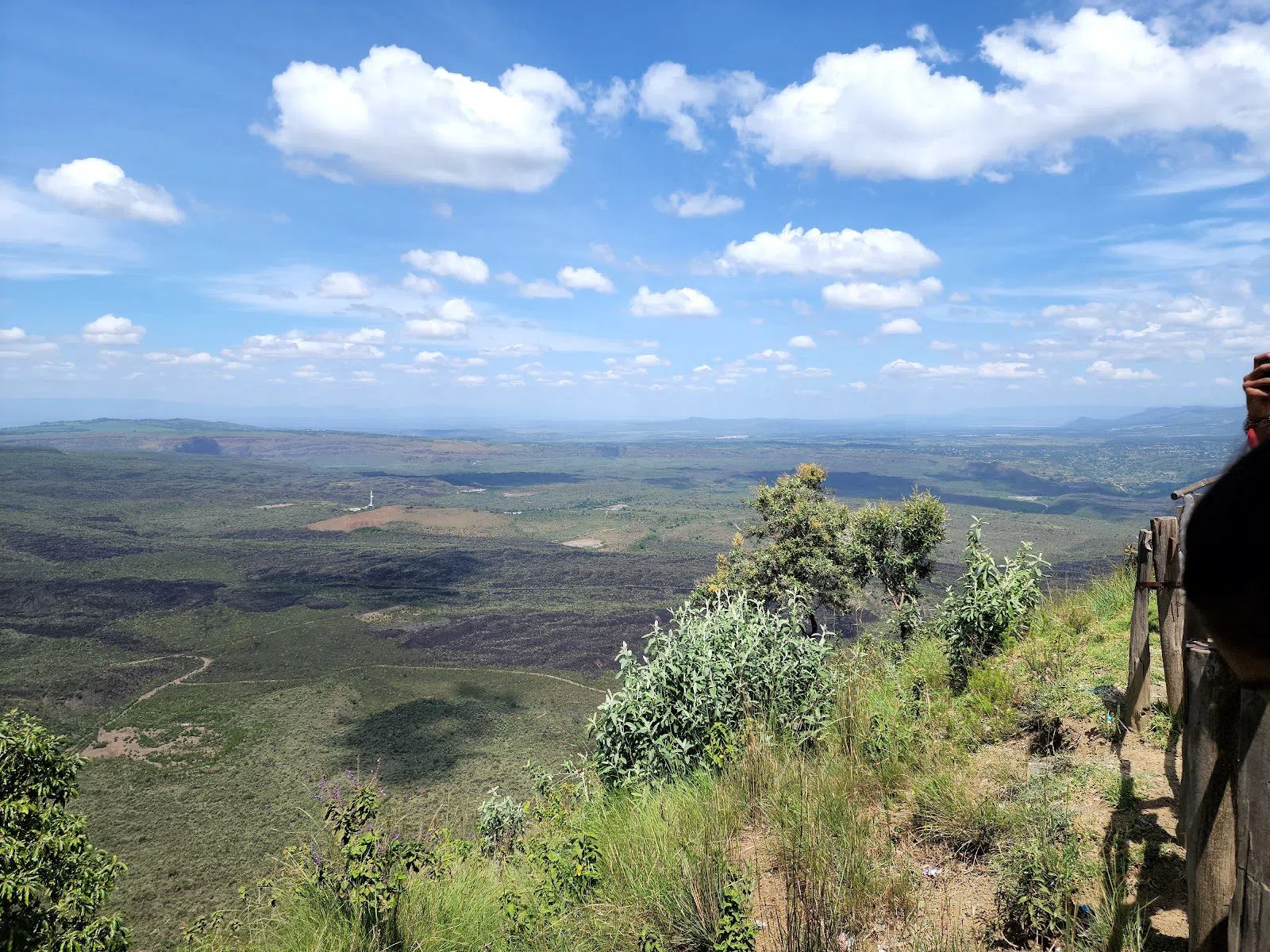
Menengai Crater (Menengai, on the northern arm of the rift floor) asks far less of you: Kenya's largest caldera and Africa's second, with a viewpoint you can drive to in ten minutes for the entire payoff. Stand at the rim and the floor below is a black, buckled sheet of old lava with steam threading out of it. The full descent onto that floor takes four to seven hours and Kenya Forest Service requires a guide for it, booked at Menengai Forest Station or at the Crater Viewpoint gate. The KFS gate fee is modest, low hundreds of shillings for citizens, plus the mandatory guide fee. Couples on a tight schedule should take the viewpoint and go. Walkers with a spare day should take the descent, which is the only place on the circuit where you walk on the lava rather than look at it.
Lakes you can walk beside
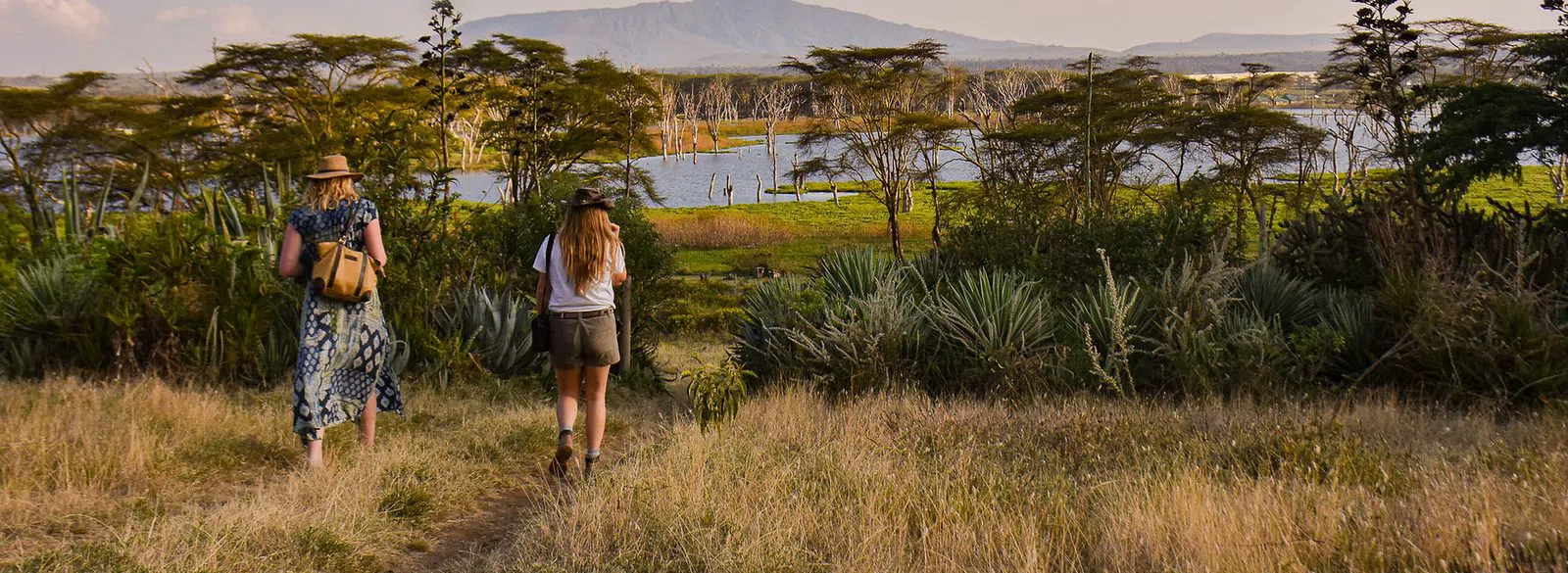
Crescent Island Game Sanctuary (Lake Naivasha's eastern shore) is literally the rim of a flooded crater poking out of the water, and because it holds no predators you walk among the herds on foot: waterbuck, zebra, giraffe and wildebeest at twenty metres, with nothing between you but grass. It is the safest wildlife encounter on the circuit and the best one for nervous first-timers or children. Entry is USD 33 for a non-resident adult and KES 1,000 for citizens, plus roughly USD 20 per person for the boat transfer. The boat is the bottleneck, not the island: pre-book boats for any party over eight or you will spend an hour on the jetty watching other people leave.
Crater Lake Game Sanctuary & Tented Camp (Lake Sonachi, west of the Naivasha south shore) holds the strangest sight on the loop, a small crater lake the colour of bottle glass, ringed by fever trees, its green coming from algae in intensely alkaline water. The 10,000-acre sanctuary around it is walkable, and it is far quieter than the busy south shore. The tented camp is mid-range full-board and part of the Merica Group portfolio, and day visitors pay a separate sanctuary fee. It takes groups and small conferences comfortably, but it also works for two people who want an early walk with nobody else on the path.
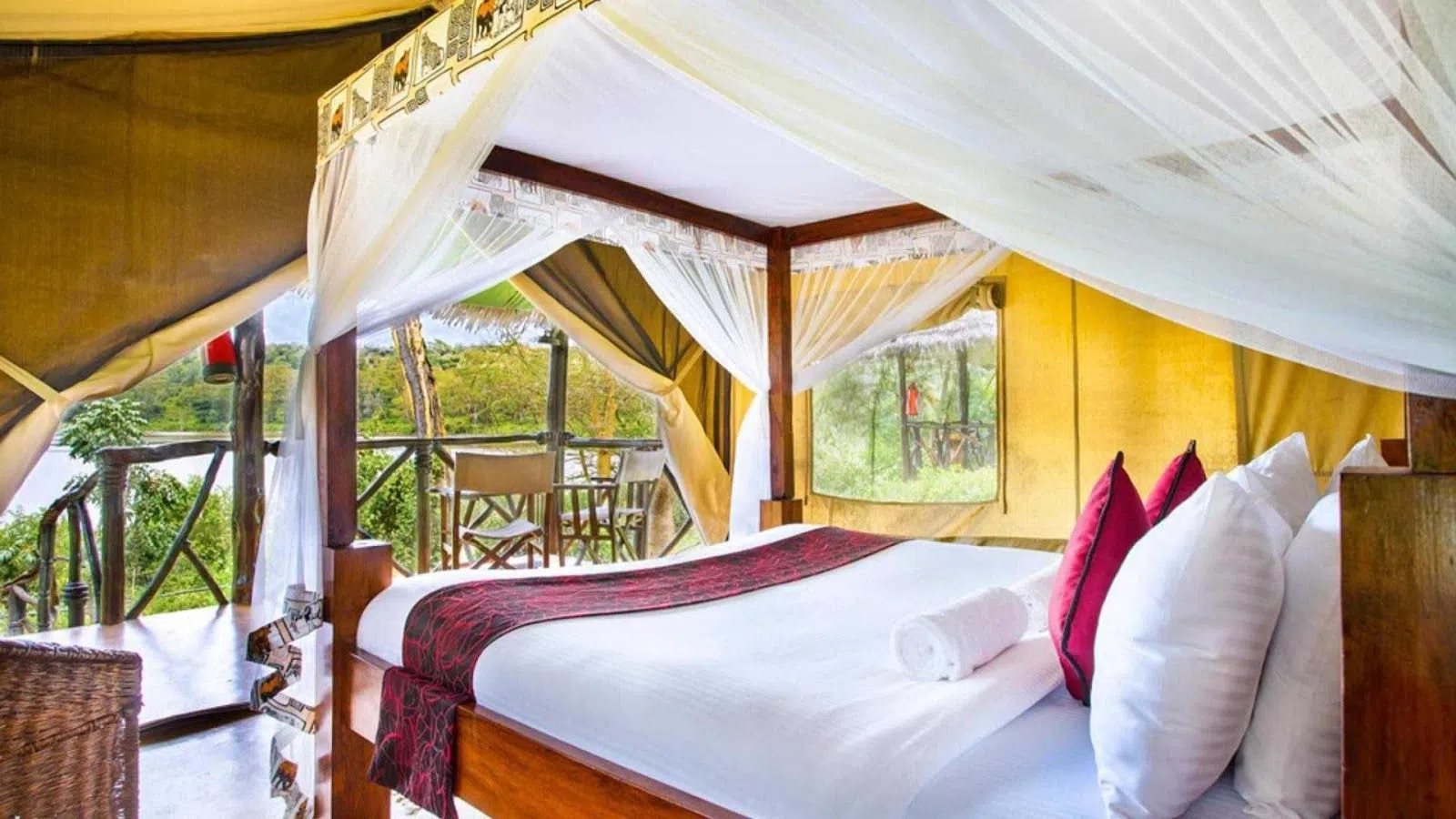
Elsamere Conservation Centre (Naivasha south shore) is Joy and George Adamson's actual house, now run by the Elsa Conservation Trust, and the 15:00 high tea on the lawn is a real Rift Valley institution rather than a re-creation for visitors. Colobus monkeys work the fig trees overhead while the tea and cakes come out, and the small museum inside is honest and unglamorous. Day groups are welcome for the museum and the tea, but call reservations ahead on +254 722 648 123 for any party, because the lawn seating is finite and 15:00 is the only sitting. Day-visitor entry plus tea is modest; the lodge rooms are mid-range.

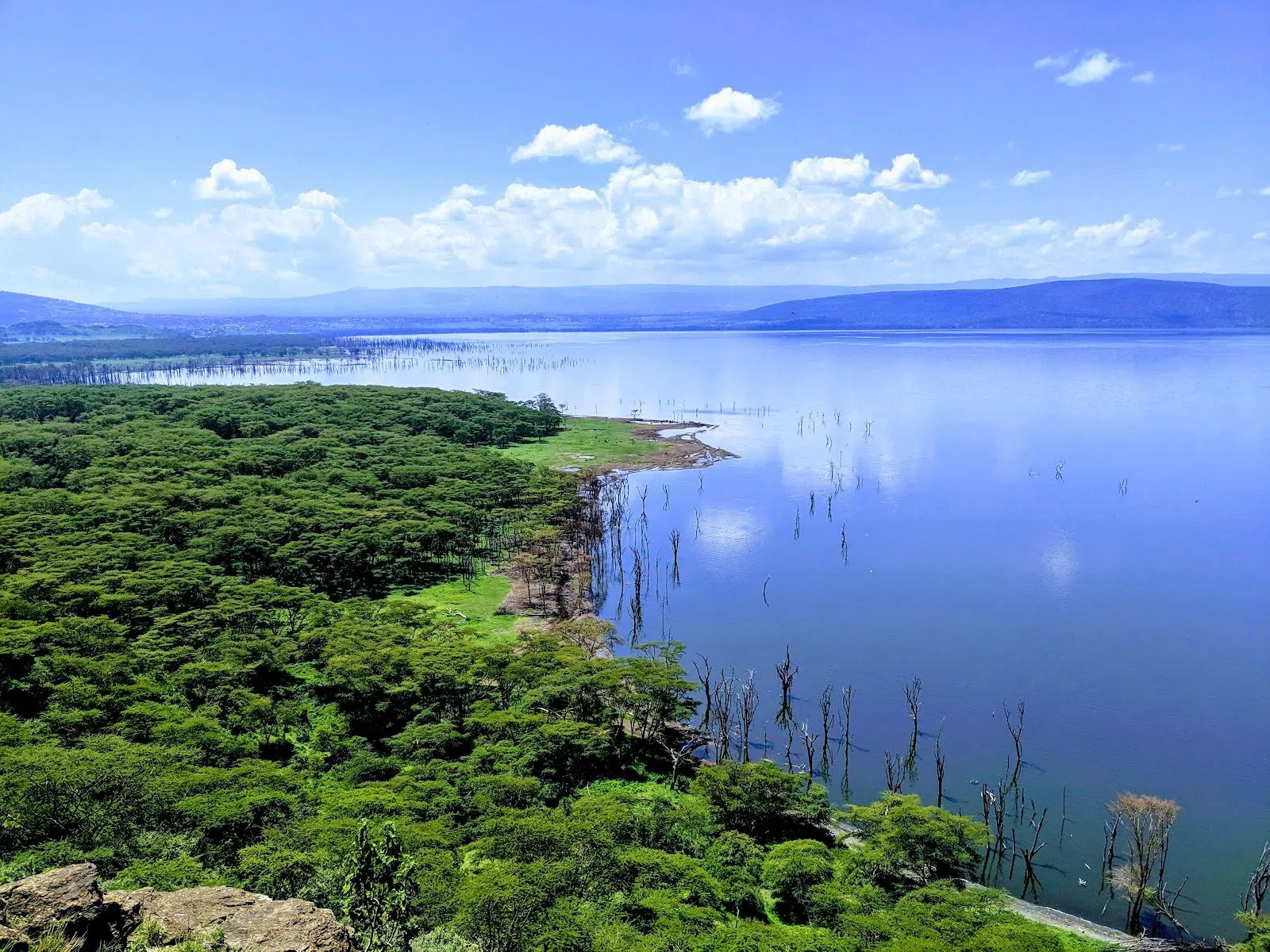
Soysambu Conservancy (Lake Elementaita, on the rift floor) covers 48,000 acres framed by the Sleeping Warrior volcanic ridge, and claims 28% of the world's lesser flamingo along with East Africa's only breeding colony of great white pelicans. In the right month the shoreline goes pink in a band you can see from the road. The conservancy fee is modest and the accommodation splits cleanly: Lake Elementaita Serena Camp at the upmarket end, the renovated Monkey Bridge campsite at the budget end. It handles couples and overlanding groups on the same day without either feeling out of place.
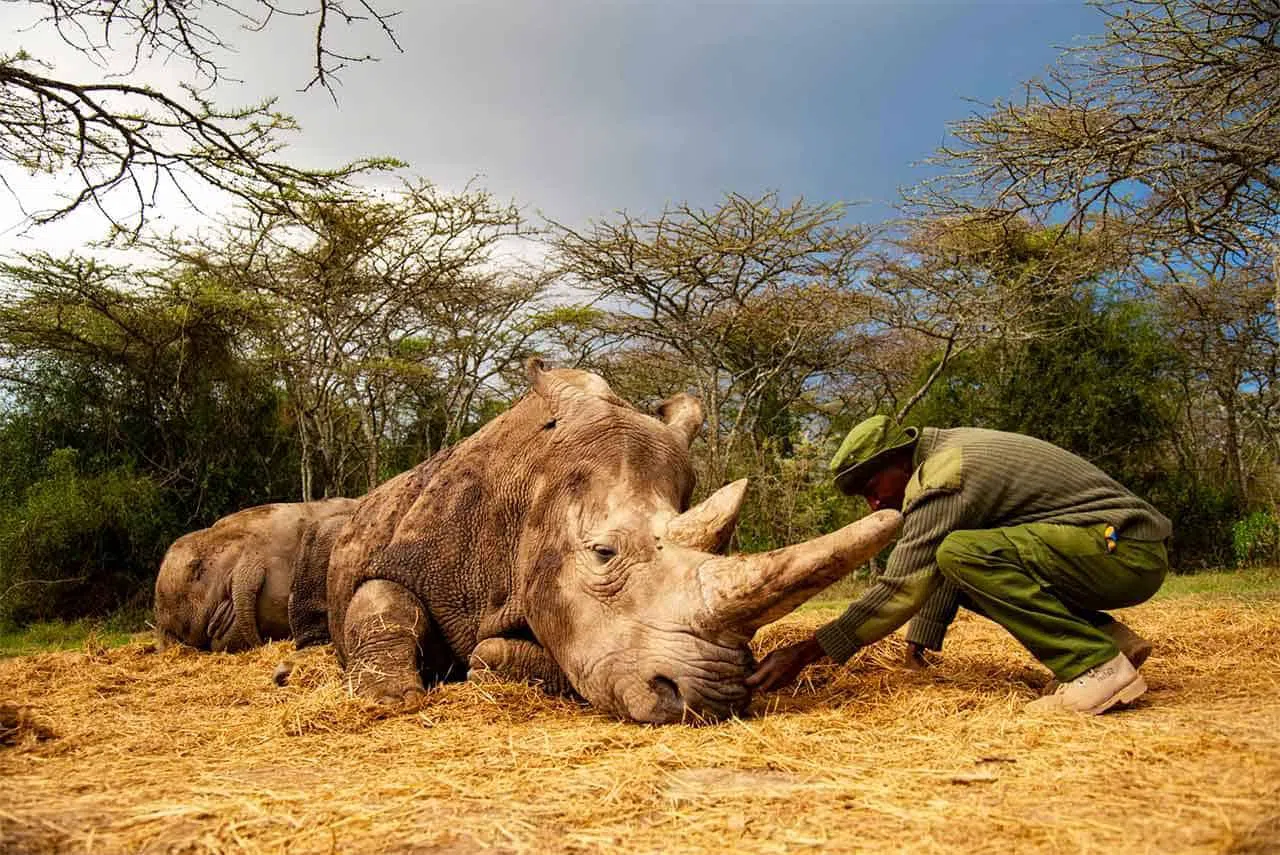
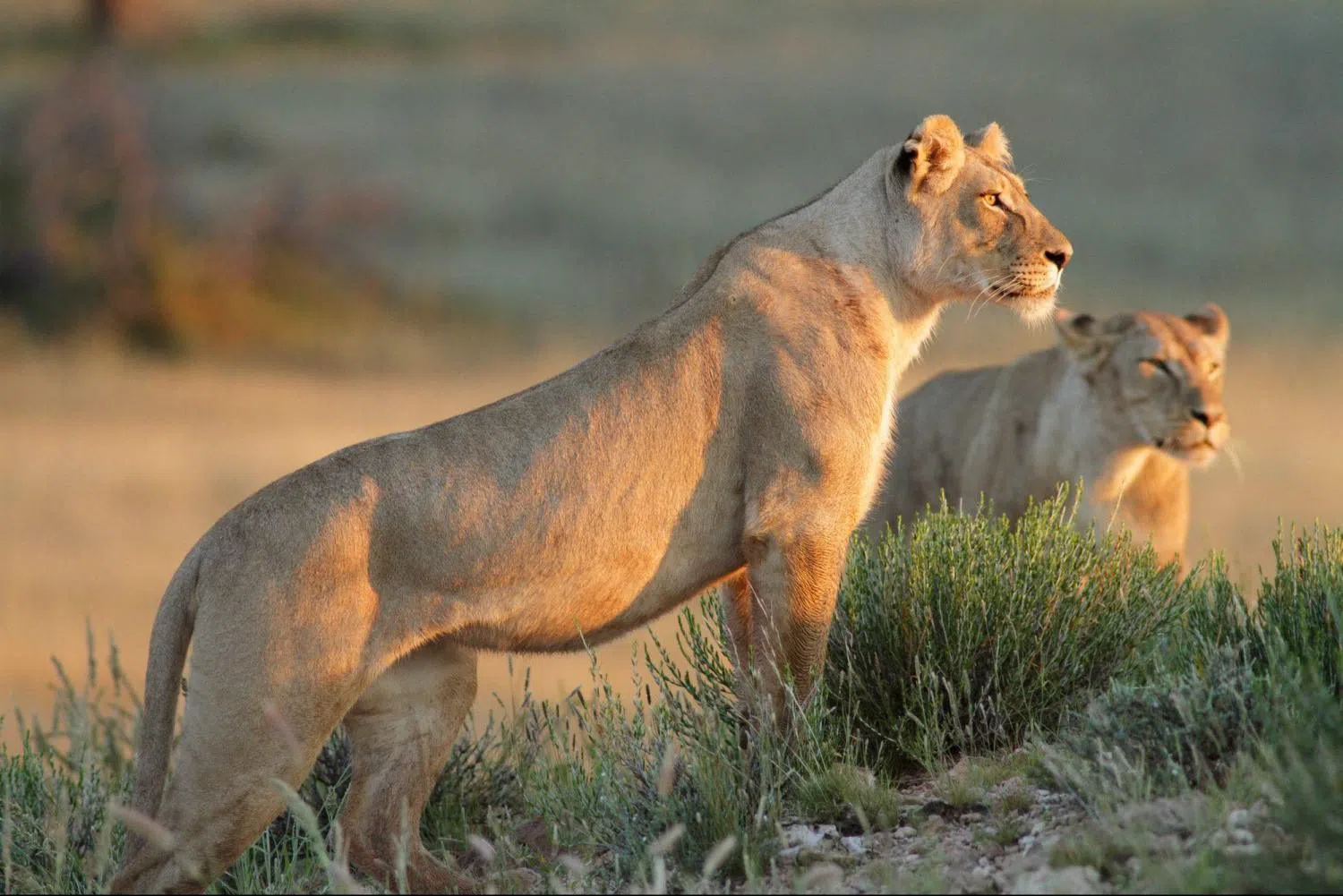
Lake Nakuru National Park (Rift floor, north of Elementaita) is the circuit's most successful black and white rhino sanctuary and also its priciest stop by a distance: USD 90 for a non-resident adult under KWS Premium Park pricing, KES 1,500 for East African citizens, plus a vehicle charge, paid per head via eCitizen KWSpay. It opens 06:00 to 18:00 daily and it is vehicle-based only, with no walking and no cycling. Be honest with yourself before paying. If what you came west for is craters and steam, this is a hundred-dollar detour into a different kind of day. If you want rhino as well as geology, it delivers rhino reliably.
The stops that need more than one night
Lake Bogoria National Reserve (Loboi Gate, the far north of the circuit) is the most dramatic geothermal display in the country: over 200 hot springs and 17 geysers, several genuinely active, throwing scalding water and steam a couple of metres up while flamingo feed in the shallows a short distance away. It costs USD 50 per person for 24 hours plus a vehicle entry fee, no formal booking required, groups welcome at Loboi Gate. The catch is distance. It is roughly four hours from the city, so it only works as a two-night weekend. Keep parties tight around the springs, because the crust near the vents is thin, the water is at boiling point, and there is no barrier to save anyone who wanders.
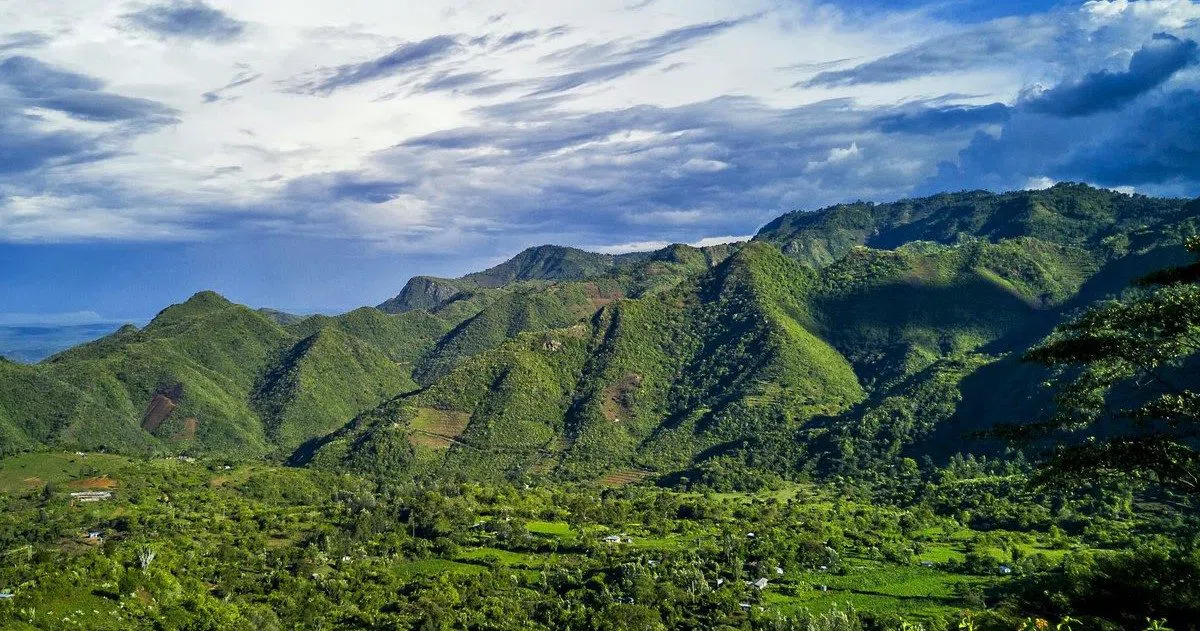
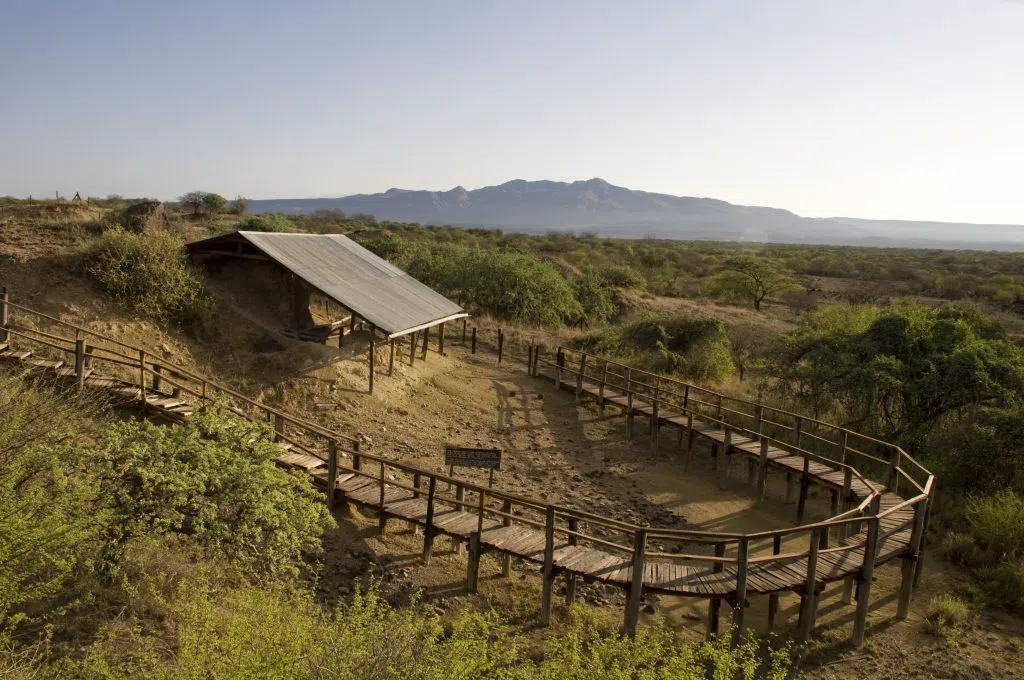
Olorgesailie Prehistoric Site (on the Magadi road, south-west of the city) and Lake Magadi Conservancy (Magadi, the southern end of the rift) form the circuit's other arm, and they pair naturally into one run. Olorgesailie is a 1.2-million-year-old Acheulean tool factory run by National Museums of Kenya, with handaxes lying in situ in the sediment where they were dropped. That is the human half of the Rift story and much more affecting than the description suggests. Entry is cheap at standard NMK rates, school and tour groups are routine, and there are bandas and a campsite on site for overnight parties.
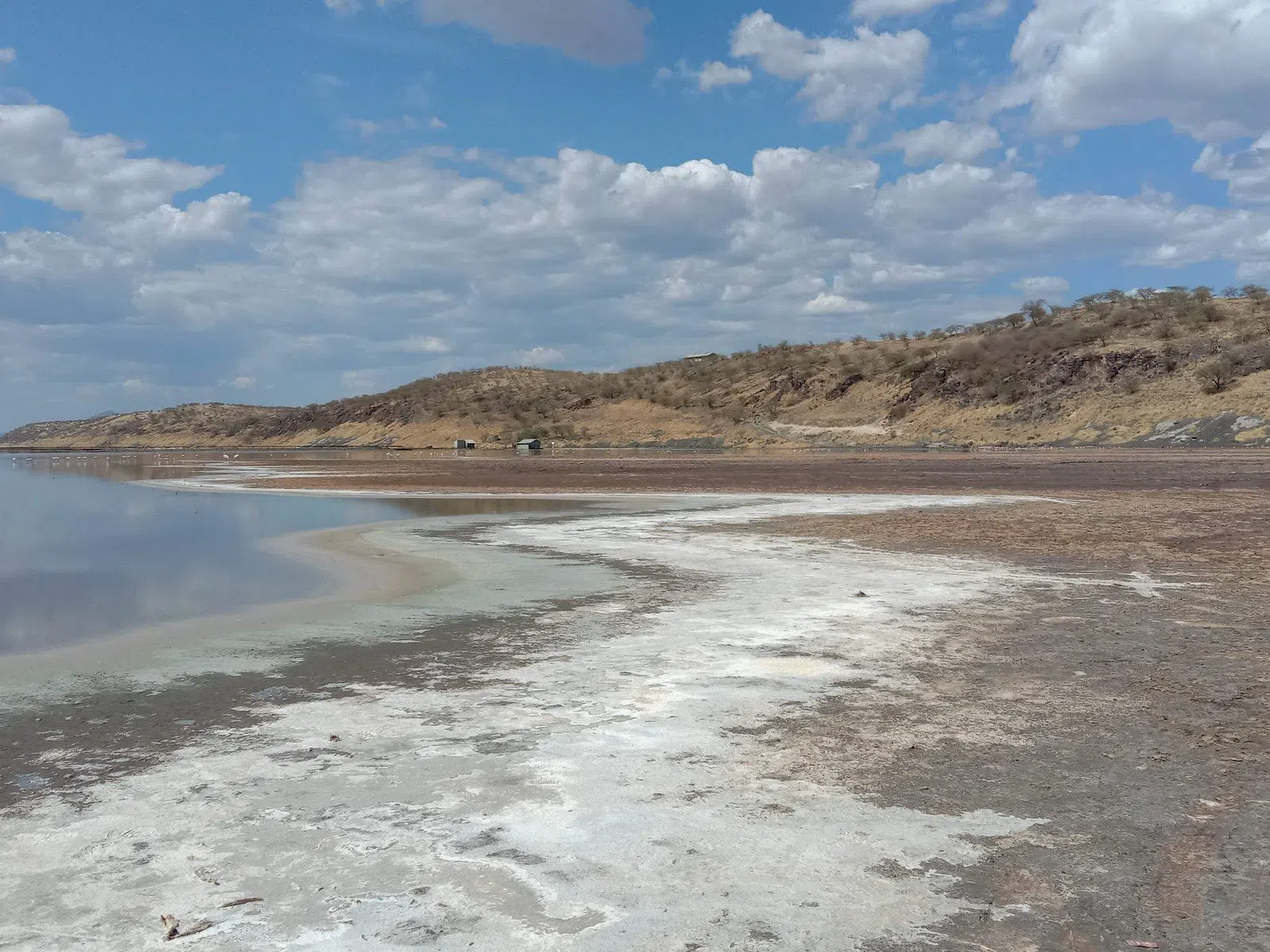
An hour further on, Lake Magadi is Kenya's hottest and strangest soda lake: a pink-and-white crust of trona you can walk to the edge of, with swimmable hot springs at the southern end. Fees are a modest conservancy and community charge, most visitors come with a city operator on a day or overnight run, and a 4x4 is strongly advised. Go November to December for peak flamingo, and do not be on the flats at midday, when it reaches 40°C and stops being enjoyable within twenty minutes.
Where to sleep on the circuit
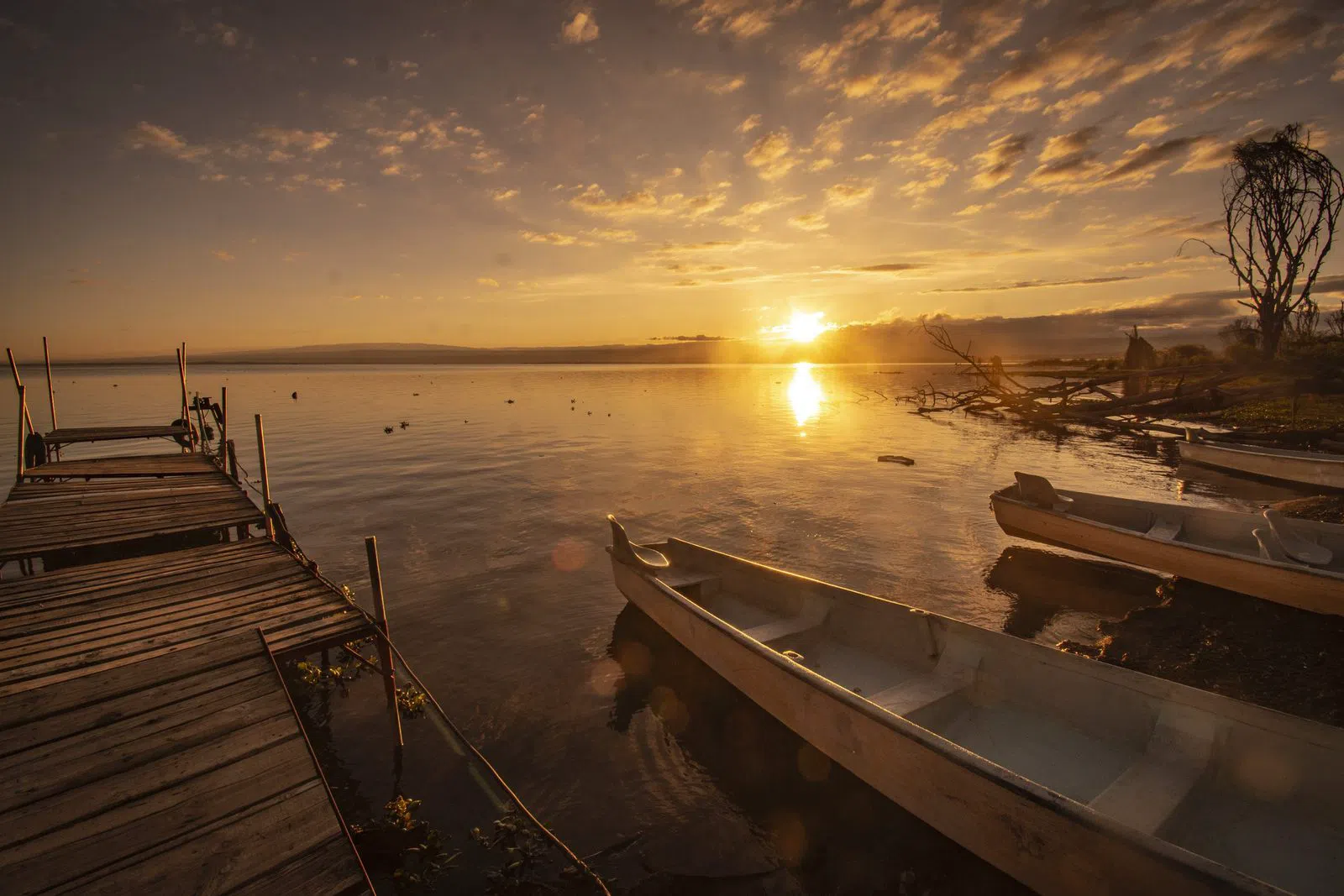
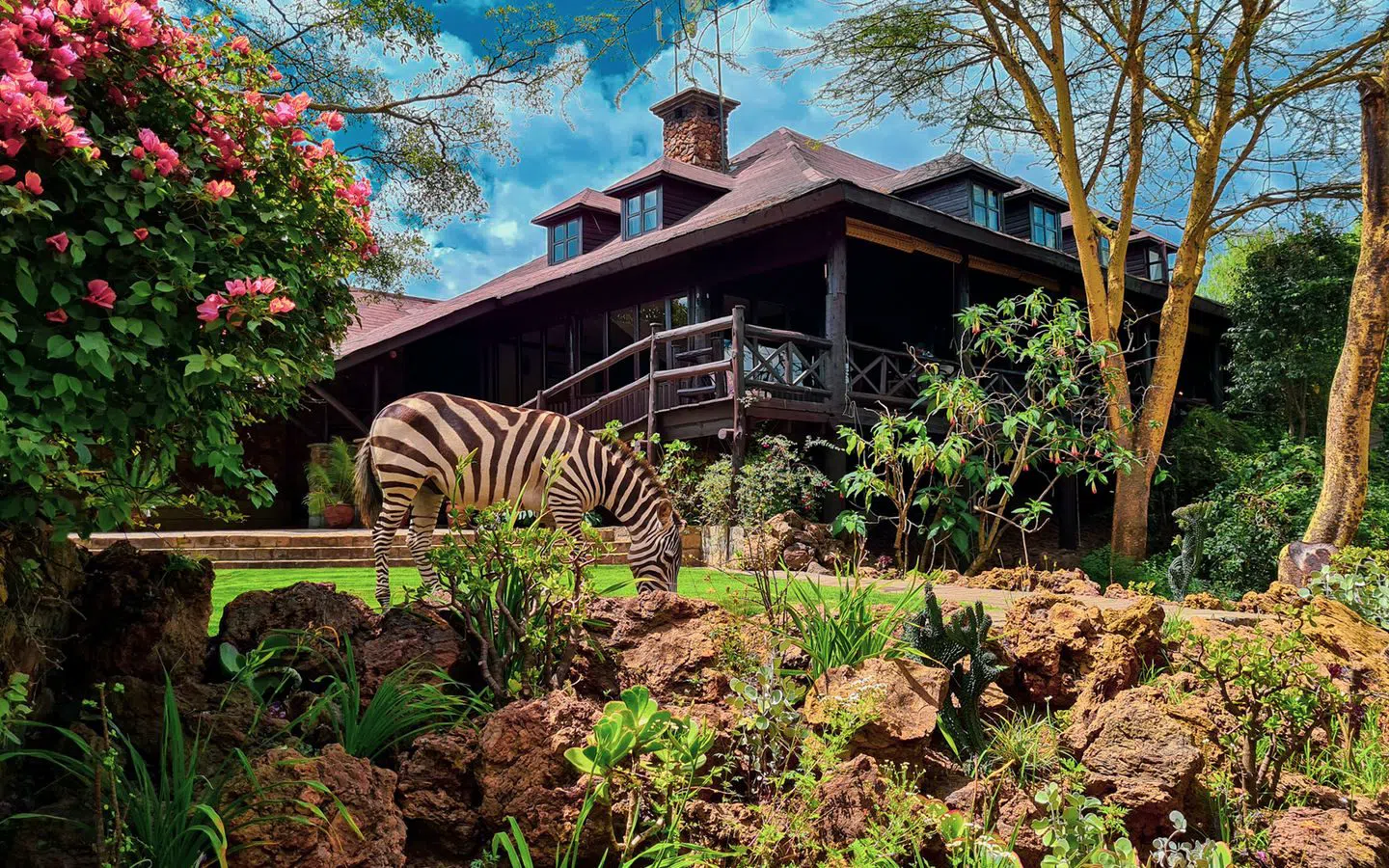
Camp Carnelley's (Naivasha south shore) has been family-run since 2006 and is the natural basecamp: camping, dorms, bandas and the self-catering Bushbaby House that sleeps 10, with a proper bar and kitchen attached and Hell's Gate twenty minutes down the road. Prices run budget to lower-mid, from a tent pitch through to en-suite bandas. The bookings office works 08:00 to 17:00, so call inside those hours rather than at 21:00 on a Friday.
The Great Rift Valley Lodge & Golf Resort (on the escarpment above the lake) is the comfortable end of the same weekend: a Heritage Hotels property with 30 rooms with private balconies and an 18-hole course cut into the slope. It has the best armchair view of Longonot's crater anywhere, which after the climb is a legitimate way to spend a Sunday. It handles groups, golf parties and events, sits 90 minutes from the city by road, and is upmarket in price.
Sanctuary Farm (Naivasha lakeside) offers the single most photogenic hour on the circuit: riding among wildlife with Longonot on the horizon, mid-range per 1.5-hour ride, with lakeside accommodation charged separately. Rides run 07:00 to 17:00 and riders are matched to horses by experience, children from age 3. This one is strictly by prior reservation, so call the stables direct on 0717 449 113. Groups cannot walk up and expect horses.
For the night before you leave, and for the night you come back filthy and want a bath, start with the Nairobi hotel search; the rest of the city's eating and neighbourhoods are covered in the Nairobi guide.
Fuel, fees and how to actually run the weekend
A saloon car will reach Longonot, Hell's Gate, Elsamere, Crescent Island, Camp Carnelley's and the Great Rift Valley Lodge without complaint. It will not get you into Suswa or comfortably down the Magadi road, which need a 4x4 and decent clearance. Matatus run west along the highway and drop at the junction towns, but the gates are several kilometres off the road, so without a car you are hiring a boda or coming with an operator. Descending the escarpment, use low gear and expect trucks crawling in the left lane.
Park fees for KWS sites, meaning Longonot, Hell's Gate and Lake Nakuru, are paid per head through eCitizen KWSpay, ideally before you arrive. Community and conservancy fees at Suswa and Magadi, guide fees, bike hire and the KFS charges at Menengai are far easier with M-Pesa or cash in hand. Carry a few thousand shillings in small notes, because a KES 2,000 guide fee split six ways needs change nobody at a forest gate is holding.
Start every hike at first light. By 10:00 the Rift floor is glaring and the volcanic rock radiates heat back at you. June to September is dry, clear and cool. November to December brings the flamingo peak at Magadi and greener crater floors, with a real chance of afternoon rain that can close Ol Njorowa Gorge. Avoid public-holiday Saturdays at Hell's Gate unless you enjoy company.
A two-person weekend from the city on camping and self-catering, doing Longonot plus Hell's Gate and the geothermal spa, lands in the low tens of thousands of shillings once fuel and fees are counted. Non-resident park pricing at USD 50 a head per park is the line item that moves it most. Swap in Lake Nakuru at USD 90 per person and you have added a serious sum for a different kind of day. The cheapest genuinely great version of this weekend is Suswa's caves and a night under its sky, where the guide fee splits and the sky costs nothing.
Before you go
How far is the volcano circuit from Nairobi, and can it be done in one weekend?
Mount Longonot, Hell's Gate and the Naivasha crater lakes sit about 90 minutes to two hours west of the city, which makes a Saturday-Sunday trip realistic. Lake Bogoria is the exception at roughly four hours away; it needs a two-night weekend rather than a day run.
Do I need a 4x4?
Not for Mount Longonot, Hell's Gate, Elsamere Conservation Centre, Crescent Island, Camp Carnelley's or The Great Rift Valley Lodge: a saloon car handles all of those. You do need a 4x4 with clearance for Mount Suswa Conservancy and for the Magadi road down to Lake Magadi Conservancy and Olorgesailie.
What do the park fees actually cost?
Mount Longonot and Hell's Gate are USD 50 per non-resident adult (KES 500 East African citizen at Longonot). Hell's Gate also charges a KES 300 / USD 10 cycling fee, and bike hire runs KES 500 to 800 a day. Mount Suswa is USD 30 non-resident plus a KES 2,000 to 3,000 guide fee per group. Lake Nakuru National Park is the priciest at USD 90 non-resident, KES 1,500 for East African citizens, plus a vehicle charge.
Which stops work for a large group, and which are couples-only?
Hell's Gate, Mount Suswa and Camp Carnelley's are built for groups: bike hire and guides cluster at the gates, and Suswa's guide fee splits per group. Crescent Island takes groups but pre-book boats for parties over eight, Elsamere needs a call ahead for its single 15:00 tea sitting, and Sanctuary Farm takes groups by prior reservation only. Crater Lake Game Sanctuary suits couples who want an empty walking trail.
Can you really swim in geothermal water there?
Yes. KenGen Olkaria Geothermal Spa inside Hell's Gate is Africa's largest natural geothermal spa, open daily 08:00 to 17:00, filled with hot run-off from the working power station. The spa fee sits in the low KES 1,000s and is charged on top of the USD 50 park entry. The hot springs at Lake Magadi are also swimmable; the vents at Lake Bogoria are at boiling point and are not.