The Nairobi issue
How to Cross Nairobi Without Losing Half the Day to Traffic
The apps, the elevated toll road, the commuter train and the hours to avoid: the things that decide whether a Nairobi journey takes fifteen minutes or ninety.

By Lukas BrandtNairobi neighbourhood by neighbourhood, on foot and by matatu
Nairobi began in 1899 as a railway depot on a swampy stretch of plain, and the city still moves the way a depot does. Everything funnels into the centre and back out again along a handful of arterial roads that were never built for the millions now using them. Rush hour starts before seven in the morning and does not properly release until eight at night, which is how a visitor loses an entire afternoon to eight kilometres. Getting around that takes four or five ordinary tools residents already have on their phones, plus a rough sense of when to move.
Where everything sits
The centre is compact and walkable in daylight. Westlands, the business and restaurant district, lies a few kilometres north-west of it; Kilimani and Kileleshwa sit west and south-west; Gigiri and Runda are north; Karen and Langata are further out to the west and south-west. Jomo Kenyatta International Airport is south-east of the city, on the far side of the industrial belt. Wilson Airport, which handles the small aircraft, is much closer in, just south of Kilimani.
Those distances are short. Westlands to the centre is a fifteen-minute drive at nine in the evening and can be an hour at half past five. Journey time follows the clock rather than the map. Plan by direction, one side of town per half-day, and you will recover more time than any app can win back for you. Choosing a base with that in mind matters more here than in most cities: run a Nairobi hotel search filtered to Westlands, Kilimani or Gigiri if your evenings are the priority, and to the centre only if you intend to walk it.
Plan your Nairobi trip
Live prices from our booking partners.
Free cancellation on many rooms. We may earn a commission when you book.
The apps on every Nairobi phone
Five ride-hailing platforms compete seriously here, so install at least two. Driver supply flips between them by hour and by area, and so does price.
Bolt (citywide, deepest in Westlands, Kilimani and the centre) is the app most residents open first, and it usually lands a few shillings under Uber on the same route. A cross-town hop runs KSh 300–700; the airport into Westlands is KSh 1,800–3,000. Cars seat four and Bolt XL vans take six, but XL supply is thin outside the core areas, so a group of five or more should order two standard cars rather than wait twenty minutes for one van.
Uber (citywide, strongest at JKIA) is the one to have for arrival and for late nights. UberX seats four, Uber XL and Van take six to seven, and the airport has designated meet-and-greet zones, which is worth a great deal when a group lands together with luggage at half past ten at night. In-town fares are KSh 350–800 and the airport run is KSh 2,000–3,200. Skip the Chap Chap tier if you have suitcases; the cars are genuinely small. In-app trip sharing and a licensed-driver record are why a lot of visitors default to it after dark.
Little (Kenyan platform, built with Safaricom) is a useful third option. Fares match Bolt at KSh 300–700 in town and KSh 1,800–2,800 to the airport, M-Pesa payment is native rather than bolted on, and it kept running through driver strikes that stalled the foreign apps. Corporate and airport bookings can be pre-arranged for several cars at once, which is the tidiest way to move a group of eight from a hotel to a dinner without eight separate pickups.
Faras (Nairobi-founded; strongest in the centre, Westlands and Kilimani) is the fourth name locals actually use. In-town rides are KSh 300–650 and there is an in-app wallet with cash-back. Coverage thins in the outer suburbs, so treat it as a price check on core routes rather than your only app.
inDrive (citywide, fare-negotiation model) works differently: you name a price, drivers counter, and you accept one. Bid realistically and an in-town trip lands at KSh 250–600, below surge pricing on a bad evening. You pay for that with a slower pickup and a haggle, which is not what you want on a first day or in the rain. For groups it gets fiddly, because you negotiate per car, so it suits one or two unhurried travellers.

When the only thing moving is a motorbike
At six in the evening the difference between a car and a bike is forty minutes. SafeBoda (citywide) is back operating in Nairobi and is the vetted, helmeted end of the boda world: registered riders, a helmet for the passenger, KSh 100–300 for most short hops. It is one passenger per bike, so a group of four books four riders; they will convoy but arrive a minute or two apart, which is fine for a restaurant and awkward for a hotel check-in.
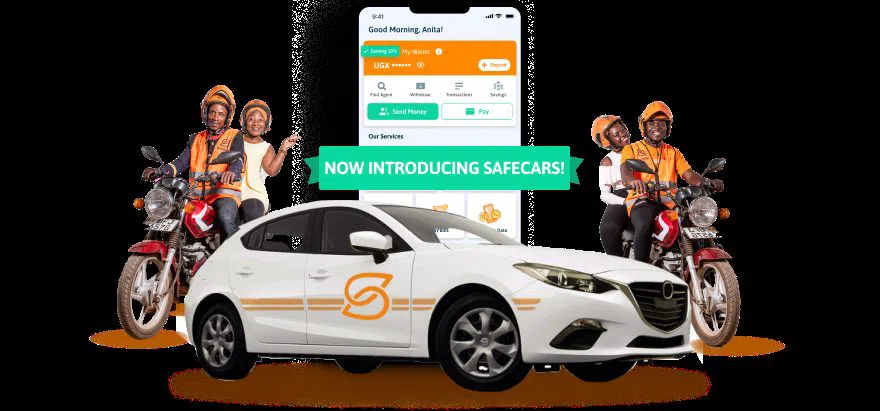
The risk is worth weighing properly. This is a motorbike in Nairobi traffic, and no app changes that. Plenty of residents ride daily, and plenty of visitors watch a junction for five minutes and decide they would rather sit in the car. If you do ride, keep the helmet on, keep your bag in front of you, and avoid it in the dark or the wet.
The elevated road that fixed the airport run
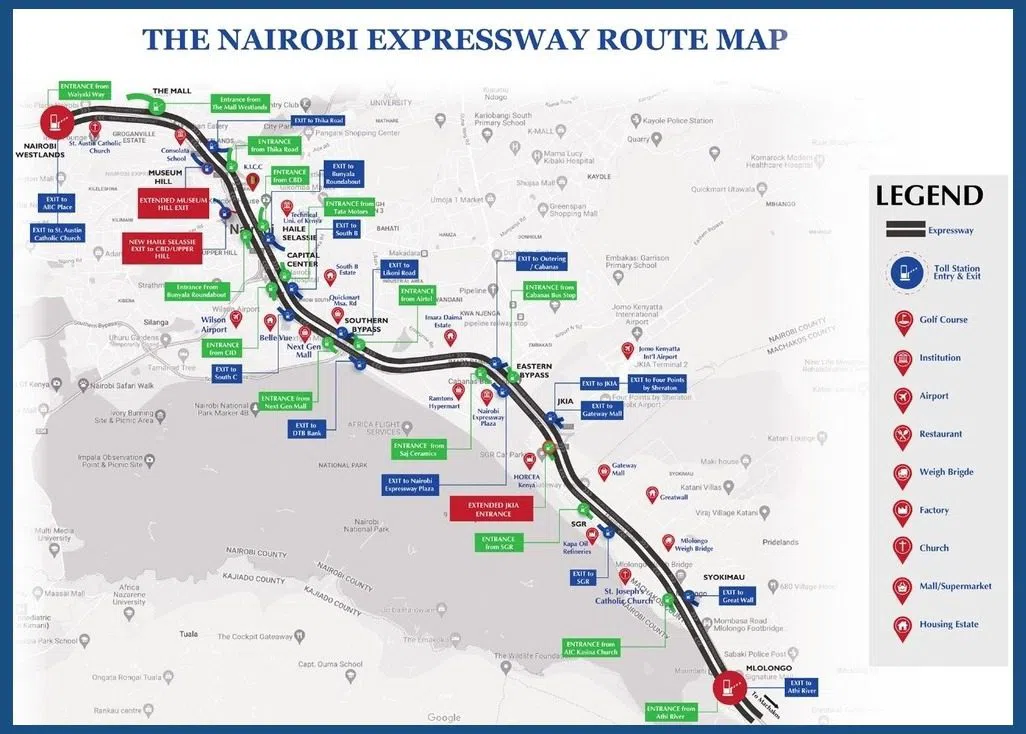
The Nairobi Expressway (Moja Expressway, running above the old airport highway from JKIA to Westlands) is the single biggest time-saver in the city: 27 kilometres of elevated road that turn a 90-minute ground-level crawl into roughly 20 minutes. Tolls run about KSh 120–360 per trip depending on distance, or around KSh 500 end to end, and are normally added to your fare rather than paid by you at the barrier.
Say so before you set off. Drivers will not always take it by default, particularly on a fare quoted without the toll in mind, so tell them you would like the Expressway and will cover the toll. On a morning flight, that is the difference between leaving your hotel at five and leaving at six thirty.
Two- and three-wheelers are banned from it, so a boda cannot follow you up there. Any private car, van or coach can.
A car that simply waits
For a first arrival, a day of scattered appointments, or an evening where you would rather not re-book a ride outside every restaurant, Blacklane (pre-booked chauffeur service, citywide, with JKIA pickups) gives you a fixed quoted price, flight tracking and an hour of free wait time at the airport, plus by-the-hour hire so one driver holds your whole day. The Business Van or SUV takes up to five people with real luggage.

It is premium, several times an Uber fare, and it earns that when you land at midnight after a long-haul, when five people plus bags need a single vehicle for eight hours, or when a missed meeting costs more than the car.
Trains and the one bus you can plan around
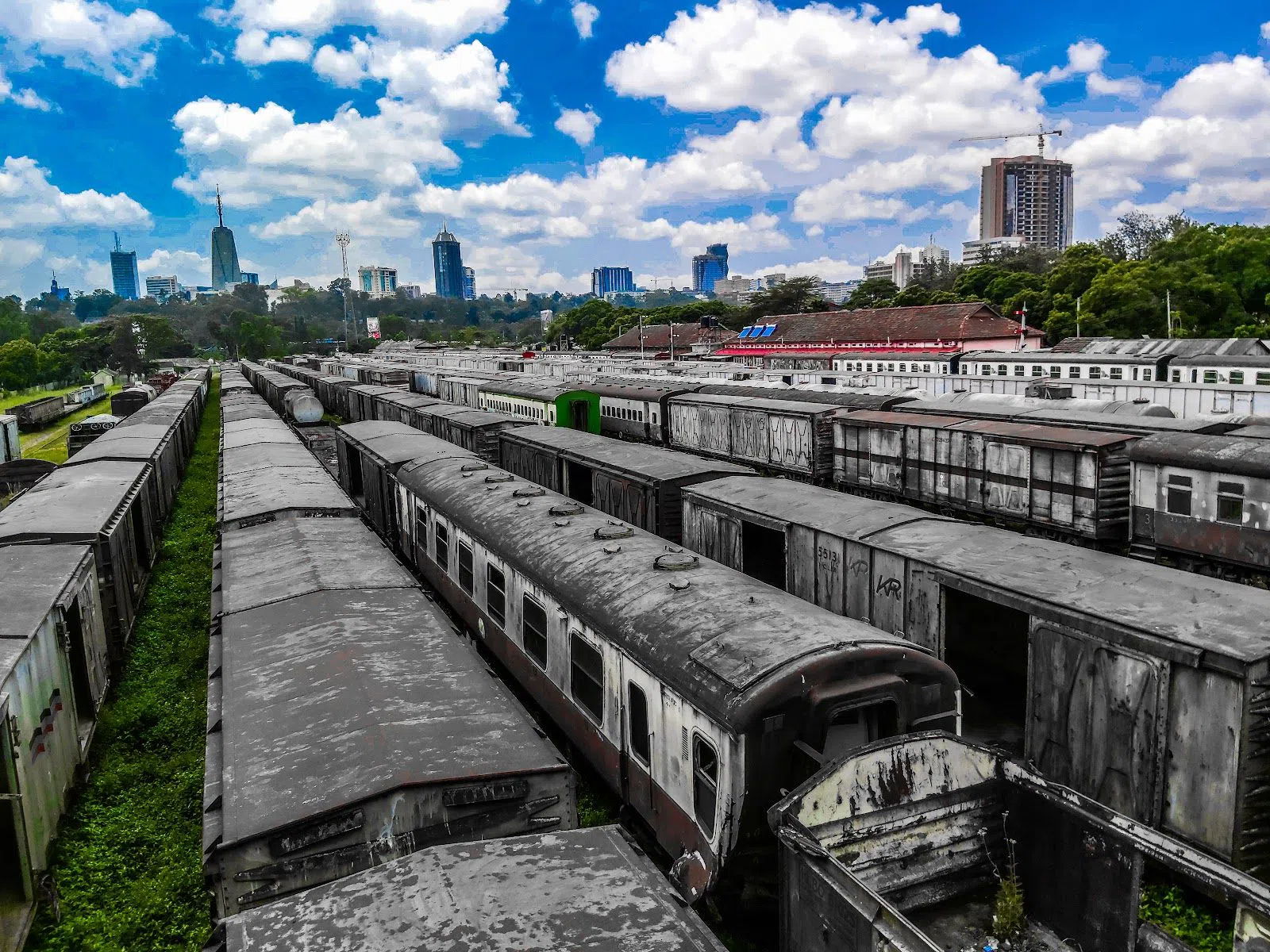
The railway still does real work. The Nairobi Commuter Rail Service (Kenya Railways, from the central station) runs on lines that ignore the road network entirely, and it is genuinely traffic-proof. A flat KSh 100 covers most journeys on the Syokimau, Embakasi Village, Ruiru, Kahawa and Kikuyu lines, including the link out to the SGR terminus. Boarding is open with no limits, so a group simply walks on.
The catch is the timetable. Services run to commuter peaks, inbound in the morning and outbound in the evening, not to a visitor's plans. If your movements match a peak, it is the best-value transport in the country. If you need to be somewhere at two in the afternoon, it will not help you.
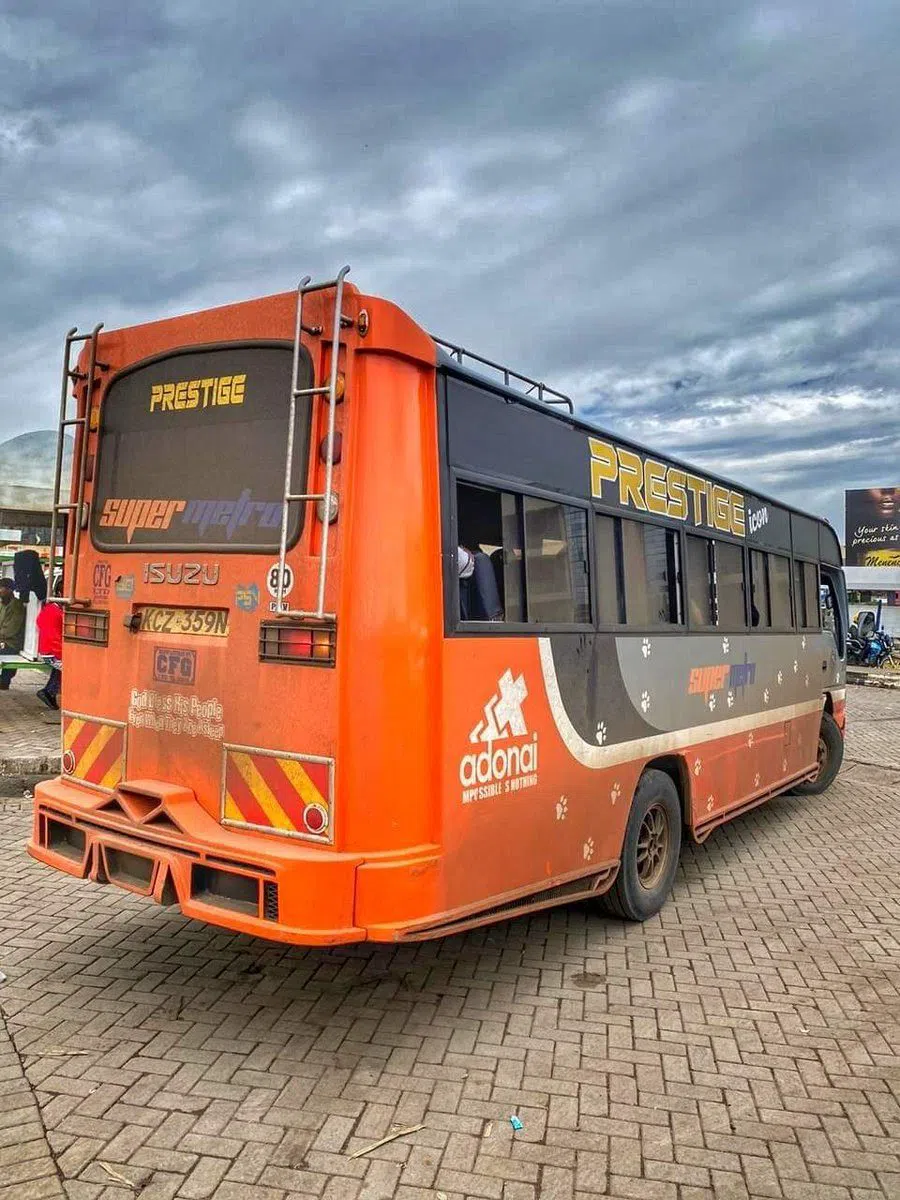
Super Metro (matatu sacco; Thika Road, Ngong, Rongai, Kikuyu and Kitengela routes) is the exception in a famously chaotic sector: fixed fares from about KSh 100, seatbelts, uniformed crew and no touts shouting for your attention at the stage. Fares rise with demand at rush hour. Off-peak, four or five people will get seats together and you see how the city actually moves, which is the reason to do it. At five in the evening the central stages are a scrum, and with a large bag it stops being enjoyable. Ride it in the middle of the day, travel light, and keep your phone in your pocket rather than your hand.
The city centre on foot, with someone who grew up in it
Downtown is walkable and largely illegible on a first pass: streets, matatu stages and informal rules that make complete sense once explained and none at all before. Nai Nami (downtown walking tour, three hours, ending with a local lunch) is run by guides who grew up on those streets, and it is the clearest orientation you will get in how the centre connects, which stage serves which route, where the crossings work, which corners to keep walking past.

Groups are small by design. Book at least 24 hours ahead, and four weeks ahead between June and September. Lunch is included and the price sits mid-range. Do it early in your stay rather than late, because it changes how you read every journey afterwards.
Two ways to spend a day without a car
Karura Forest (Friends of Karura Forest; gates on Limuru Road, Kiambu Road and Thigiri Ridge, north of Westlands) is the rare Nairobi outing where traffic never enters the calculation: over 50 kilometres of trails, a waterfall and caves, all inside the city boundary. Non-resident entry is around KSh 600, and bike hire is roughly KSh 580 for two hours from the depots, which run 08:00–16:00. Walk in at any group size; guided walks can be booked for larger parties. A half day here costs you less time than crossing town does.
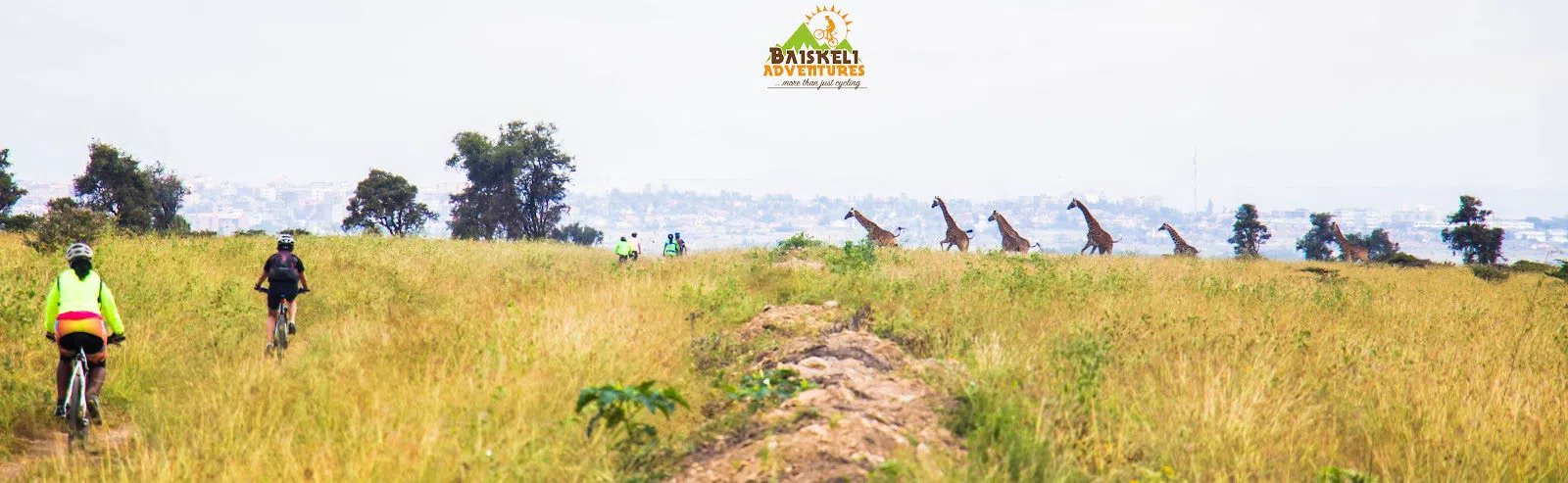
Baiskeli Adventures (cycling operator, riding the forest tracks and back roads around the city) is the fuller version of the same idea. Rides are supported, with a backup vehicle, and routed specifically to avoid the arterial roads; difficulty levels vary, so a mixed-ability group works. Day rides are mid-range, multi-day trips priced per itinerary. It is a day out in which the traffic never features at all.
Flying over the problem entirely
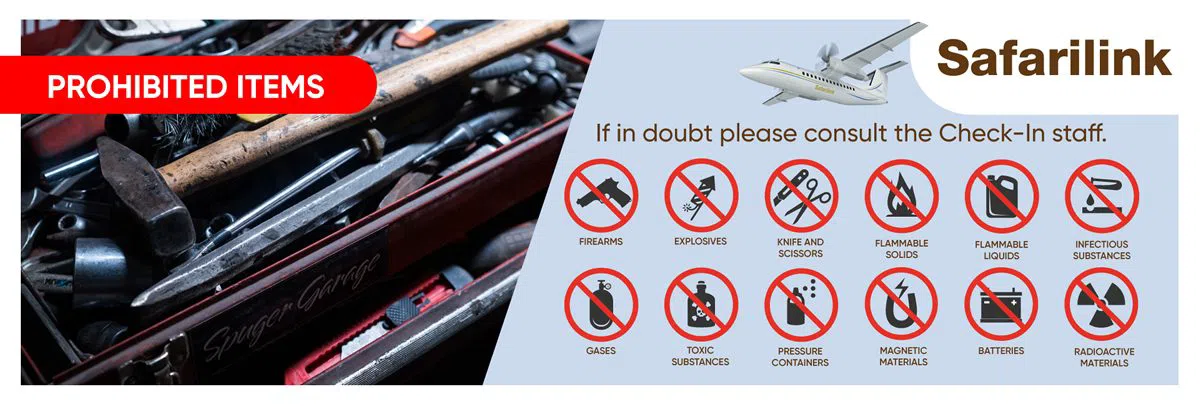
If your plans include the Mara or Amboseli, the drive is where the days go. Safarilink Aviation (Wilson Airport, ten minutes from Kilimani) reaches the Mara airstrips in about 45 minutes, from roughly US$150–250 one way. The aircraft are small: book early for a group of six or more, and respect the baggage allowance, typically 15 kilograms per person in a soft bag. Hard suitcases are the standard mistake, and hotels will hold the rest of your luggage.
Because Wilson sits so close in, the transfer to it is a short hop rather than the cross-city expedition the main airport can become. Between the short flight and the position of the field, you save a full day at each end.
Practical notes
Assume heavy traffic roughly 06:30–09:30 and 16:00–20:00 on weekdays, worst on Friday evenings and whenever it rains. Between ten and three the city moves. Plan one side of town per half-day and keep your evenings close to where you sleep.
M-Pesa is the default everywhere and the ride apps take it natively, Little most seamlessly. Carry KSh 2,000–3,000 in small notes for matatu fares, forest entry, bike hire and tips, because some gates and stages are cash only.
A full day of app rides across town runs KSh 1,500–3,000. Add about KSh 500 for the Expressway toll on each airport run. A chauffeur day is a different order of money entirely, and a commuter train ride is KSh 100.
Install two ride apps before you land, reserve the walking tour and any Safarilink seat in advance, and confirm airport pickups the day before. For where to eat, sleep and spend the hours you have just saved, start with the Nairobi guide.
Before you go
Which ride-hailing app should I install for Nairobi?
Install at least two. Bolt is what most residents open first and usually undercuts Uber slightly (KSh 300 to 700 in town). Uber is strongest at Jomo Kenyatta International Airport, where the meet-and-greet zones make a group arrival simple, and after dark. Little is a useful third because M-Pesa payment is native and it keeps running when the foreign apps are disrupted. Faras and inDrive are worth having as price checks.
How much is a taxi from the airport, and is the Expressway toll included?
Expect KSh 1,800 to 3,000 on Bolt, KSh 2,000 to 3,200 on Uber and KSh 1,800 to 2,800 on Little into town. The Nairobi Expressway toll is roughly KSh 500 end to end and is normally added to your fare rather than paid at the barrier. Ask for the Expressway before you set off, because it cuts a 90-minute ground-level crawl to about 20 minutes and drivers do not always take it by default.
When is Nairobi traffic at its worst?
Roughly 06:30 to 09:30 and 16:00 to 20:00 on weekdays, with Friday evenings and rainy days the worst of all. Between ten in the morning and three in the afternoon the city moves freely. Group your plans by direction, one side of town per half-day, rather than crossing back and forth.
Can a visitor use matatus or the commuter train?
Yes, with a caveat on each. Super Metro is the matatu operator with fixed fares from about KSh 100, seatbelts and uniformed crew; ride it off-peak with a small bag, because the central stages at five in the evening are a scrum. The Nairobi Commuter Rail Service is a flat KSh 100 and never sits in traffic, but it runs to morning and evening commuter peaks only, so it rarely fits a visitor's midday timetable.
Are motorbike taxis a sensible way to beat the jam?
They are the fastest way across town at six in the evening, and SafeBoda is the vetted, helmeted end of that world at KSh 100 to 300 a hop. It is still a motorbike in dense traffic, and no app removes that risk. One passenger per bike, so a group of four books four riders and arrives a minute or two apart. Avoid it after dark or in the rain.