The Nairobi issue
Thirteen Nairobi Kitchens That Cook Kenyan Food Properly
Tilapia off the bone, goat by the kilo and seven kinds of greens: the Nairobi tables worth your appetite, with shilling prices, real hours and honest advice on which rooms fit a group.

By Inês CarvalhoEating Nairobi from nyama choma pits to Eastleigh cafés
Charcoal smoke carries further than any signboard in this city, and on the right afternoon you smell the goat long before you find the door. Kenyan cooking here runs from that smoke to a whole tilapia the length of your forearm, ugali stiff enough to hold a thumbprint, dark greens cooked down with groundnuts until they taste of earth and fat. What follows is where to eat it, what it costs in shillings, and which rooms will actually seat your whole table.
Start with the fish
K'Osewe Ranalo Foods (central business district) is where the question gets settled. The tilapia comes from Lake Victoria, off the fire with its skin blistered and the flesh at the bone still wet, and it lands with a fist of ugali and a bowl of greens cooked long enough to turn sweet. Ask for it fried unless you want the wet version, which is stewed, gentler and slower to arrive. This is a canteen in the proper sense: you walk in, you take whatever length of shared table has space, and the food moves fast. Roughly KES 500 to 1,200 a head, which makes it the cheapest serious meal in this article. There are no reservations and no way to hold a table, so if there are more than four of you, come before 1pm or after 2.30pm. Between those two the office lunch rush takes every bench in the room. It opens at 10.30am and runs late, until 3am at weekends, and the late version of the room is a different, louder animal from the lunchtime one.
Mama Oliech Restaurant (Kilimani, on Marcus Garvey Road) does one thing better than anywhere else in the city and everybody knows it. The fish arrives whole and deep-fried, the tail crisp enough to snap, the belly meat soft, with ugali and kachumbari sharp with raw onion and lime to cut the oil. Order the fish the moment you sit down. The kitchen is quick when the room is half empty and noticeably slow once it fills, and a whole fish ordered at the peak of Saturday lunch can take well past half an hour. Budget KES 1,200 to 2,000 per person for the fish, sides on top. There is plenty of seating and groups are normal here, so it suits a table of six or eight better than most places on this list. One correction worth carrying: the Westlands branch has closed, so navigate to the original on Marcus Garvey Road and ignore any listing that sends you elsewhere.
Plan your Nairobi trip
Live prices from our booking partners.
Free cancellation on many rooms. We may earn a commission when you book.
Nyama choma the way the city actually eats it
Roast meat is not a dish here so much as a procedure. You buy it raw by weight, it goes over charcoal, it comes back chopped on a wooden board with kachumbari and a saucer of salt, and you eat it with your hands over an hour or two. Three places show you that procedure at three different pressures.
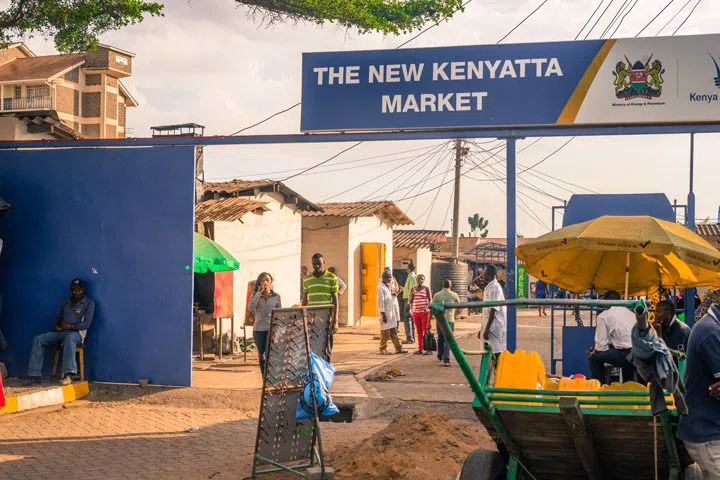
Kenyatta Market (off Ngong Road) is the unvarnished version and the one locals use without thinking about it. You pick your goat or beef at a butchery counter, it is weighed, priced by the kilo, grilled, then brought to a bench in pieces. Agree the per-kilo price before anything is cut. That single sentence is the difference between paying what a resident pays and paying four times it. Skip stall B9, which has a documented habit of quoting foreigners several times the going rate. Pick one stall, sit down, and order everything from the same person rather than letting three sets of hands pull you between counters. Expect roughly KES 650 to 1,300 a head, about $5 to $10. Two or three people on a bench is easy; a party of eight is awkward and will end up split across two stalls arguing about one bill.
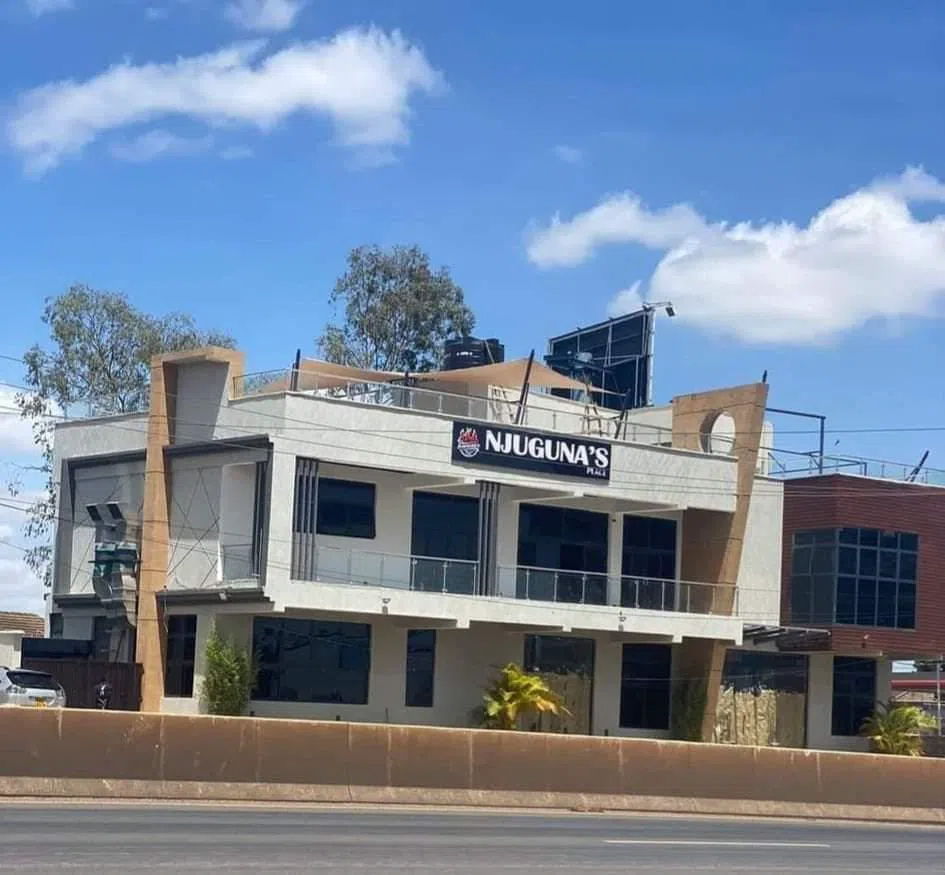
Njuguna's Place (out on the Kabete side) has been feeding the same neighbourhood since 1973, when it opened for the soldiers at the nearby barracks, and it was fully rebuilt in 2024, an institution without the peeling paint that usually comes with the word. Big tables, ample parking, and a crowd that thickens from Friday afternoon into the evening. Midweek you can simply turn up; on a Friday, arrive early or expect to stand while a table clears. Roughly KES 1,000 to 1,800 per person with drinks. Call before you drive out: the hours published on their ordering page are unreliable, and that is a long trip to make on bad information.
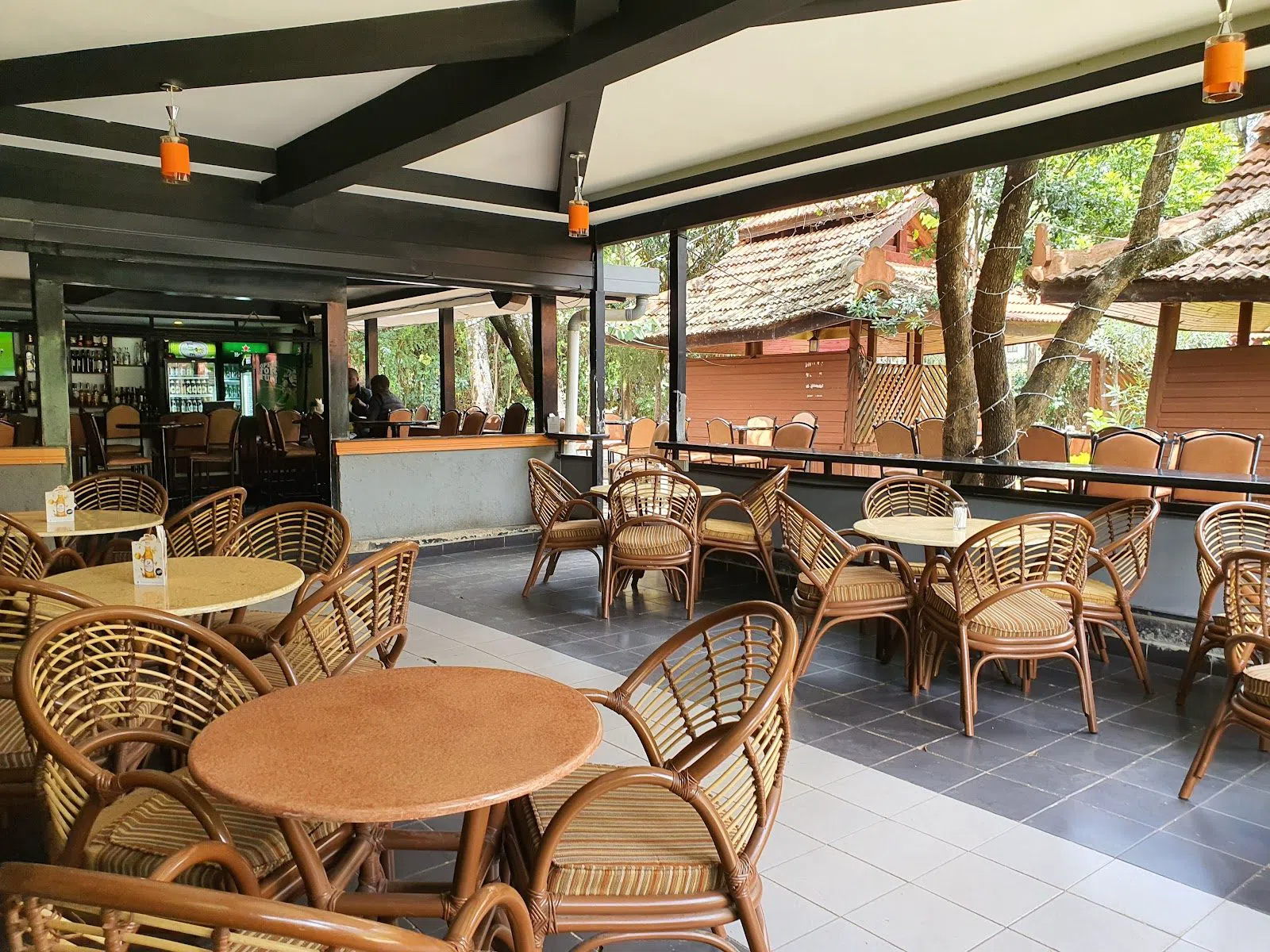
Ashaki Grill (Kilimani side) is the polished end of the same tradition. Gazebo bandas take whole parties, the goat is consistent visit after visit (I have eaten it on four separate evenings and never had a dry board), and there are cocktails and a late licence, with DJ sets at weekends. Open 8am to 1am. Around KES 2,000 to 3,200 a head, roughly $15 to $25. Its real advantage is geography: it sits close enough to the Kilimani hotels that you can walk home from it, which after three hours of meat and beer matters more than you would think.
Two choma outings worth clearing an afternoon for
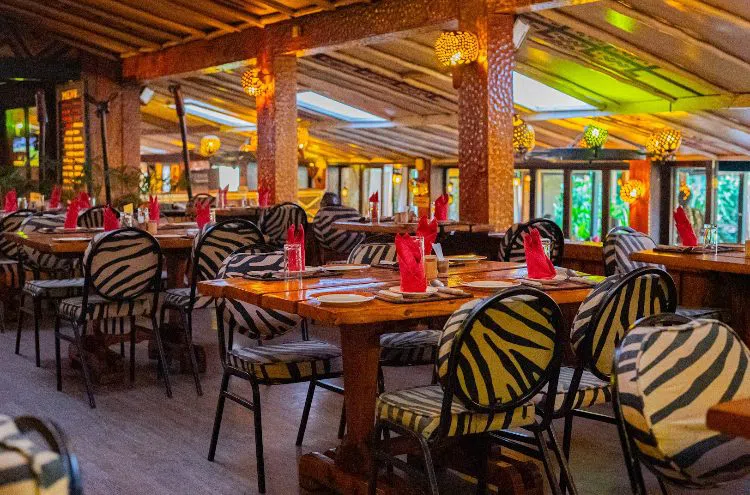
The Carnivore Restaurant (Langata) has been running since 1980 and remains the easiest introduction to the whole ritual: skewers carried table to table, carved onto a cast-iron plate until you lower the paper flag and admit defeat. Be clear about what you are getting. Kenya banned the commercial sale of game meat in 2004, so the menu is beef, lamb, pork, chicken and the farmed exotics, ostrich and crocodile. Anyone promising you zebra is selling a story from a different decade. About KES 4,800 per person for the set feast, drinks extra, which makes it the priciest meal here. It is built for groups; reservations are advisable for dinner and at weekends, though walk-ins are accepted, and the 2,500-capacity Simba Saloon next door absorbs whatever the evening turns into.
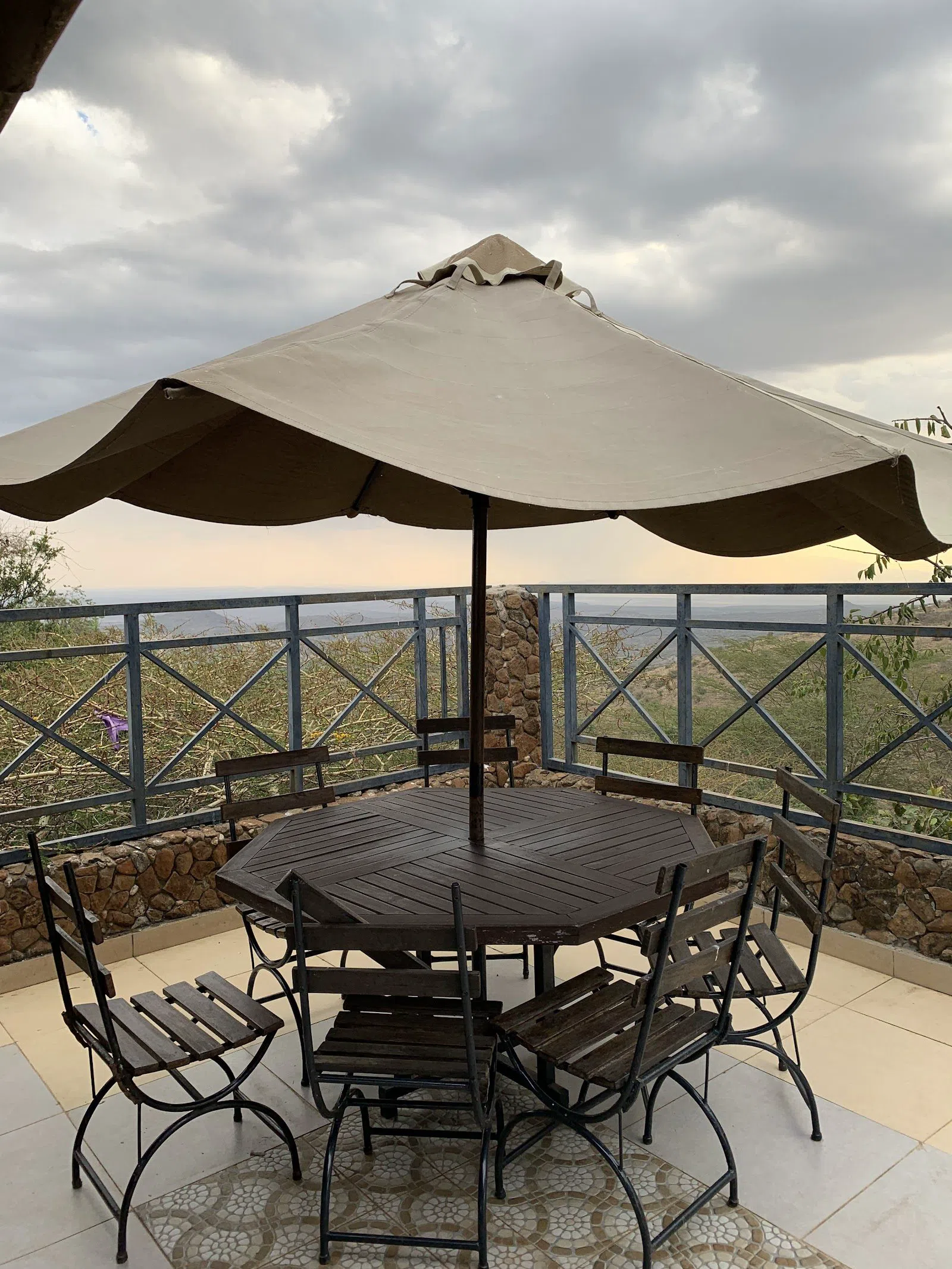
Olepolos Country Club (about an hour out of town, up in the hills) gives you the best view of any meal in this article, the plain falling away below the bandas while the charcoal does its work. It is built for families and large parties: bandas, two pools, a kids' play area, rooms if the afternoon runs long. The catch is timing. Goat and chicken take 60 to 90 minutes on the fire, so phone ahead and put the order in before you leave the city, or at the very least before the first round of drinks. Meat is sold by the kilo and the drinks are cheap, so the bill lands in the budget-to-mid bracket despite the drive.
Coastal and Somali cooking in the middle of town
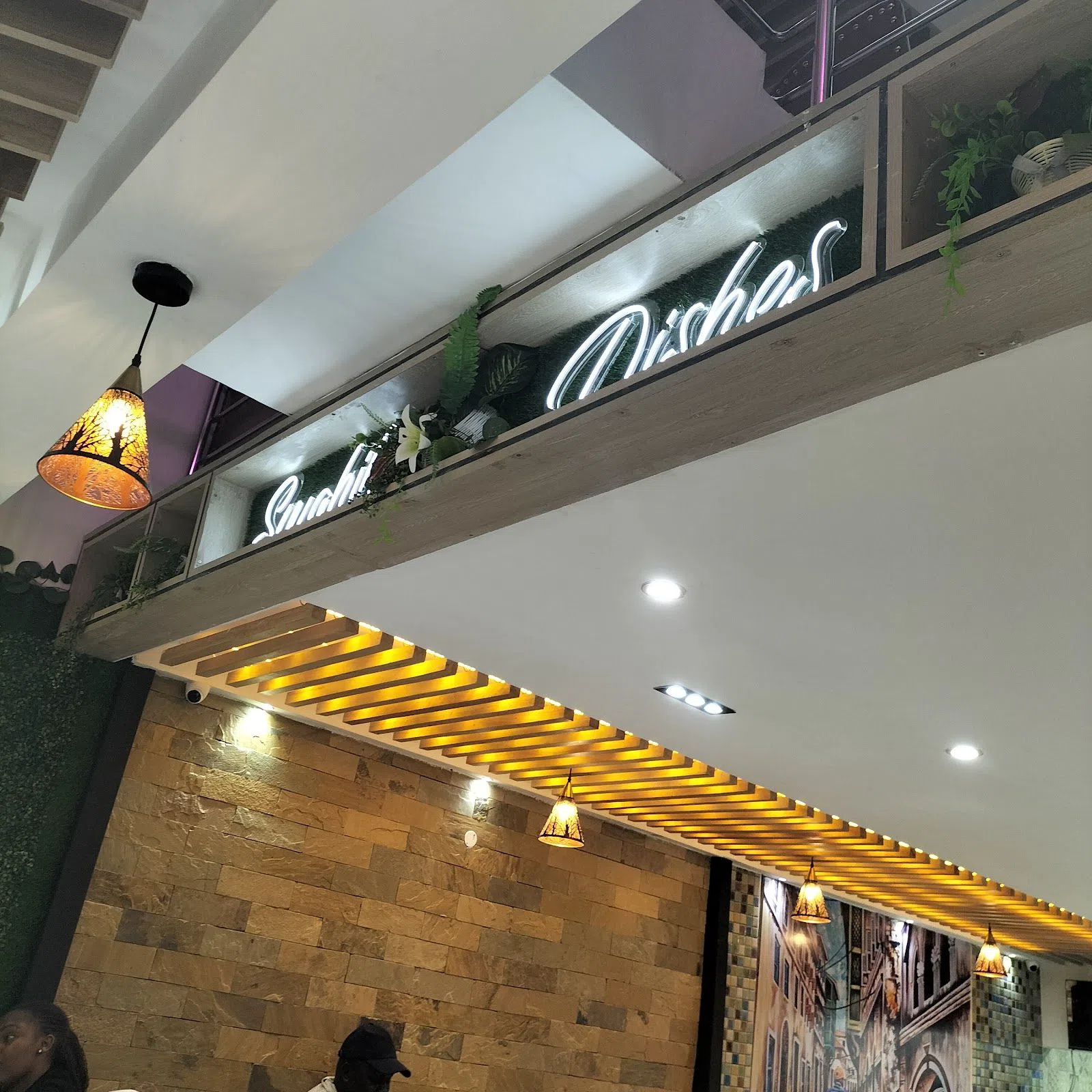
Swahili Plate (central business district) cooks the food of the Kenyan coast properly and inland: biryani layered with fried onion, pilau with the rice stained brown by cumin and cardamom, coconut in the stews, tamarind sharpening the fish. Upstairs is roomy enough for a group. The thing to write on your hand is the schedule: Monday to Friday, 9am to 5pm, closed at weekends. Visitors turn up on a Saturday and find the shutters down every week of the year. Roughly KES 350 to 900 a head, which for this quality of cooking is close to absurd.
Kilimanjaro Jamia (central business district) is where the office city genuinely eats. Camel meat, leaner and sweeter than beef and worth ordering once even if it is not your instinct, plus biryani, pilau and fresh juices from 6am. Portions are generous enough that mixed platters work well for sharing, turnover is constant, and there are large tables. No alcohol. Come outside the 1pm crush and weekdays rather than weekends if you want to hear each other. KES 400 to 900 per person.
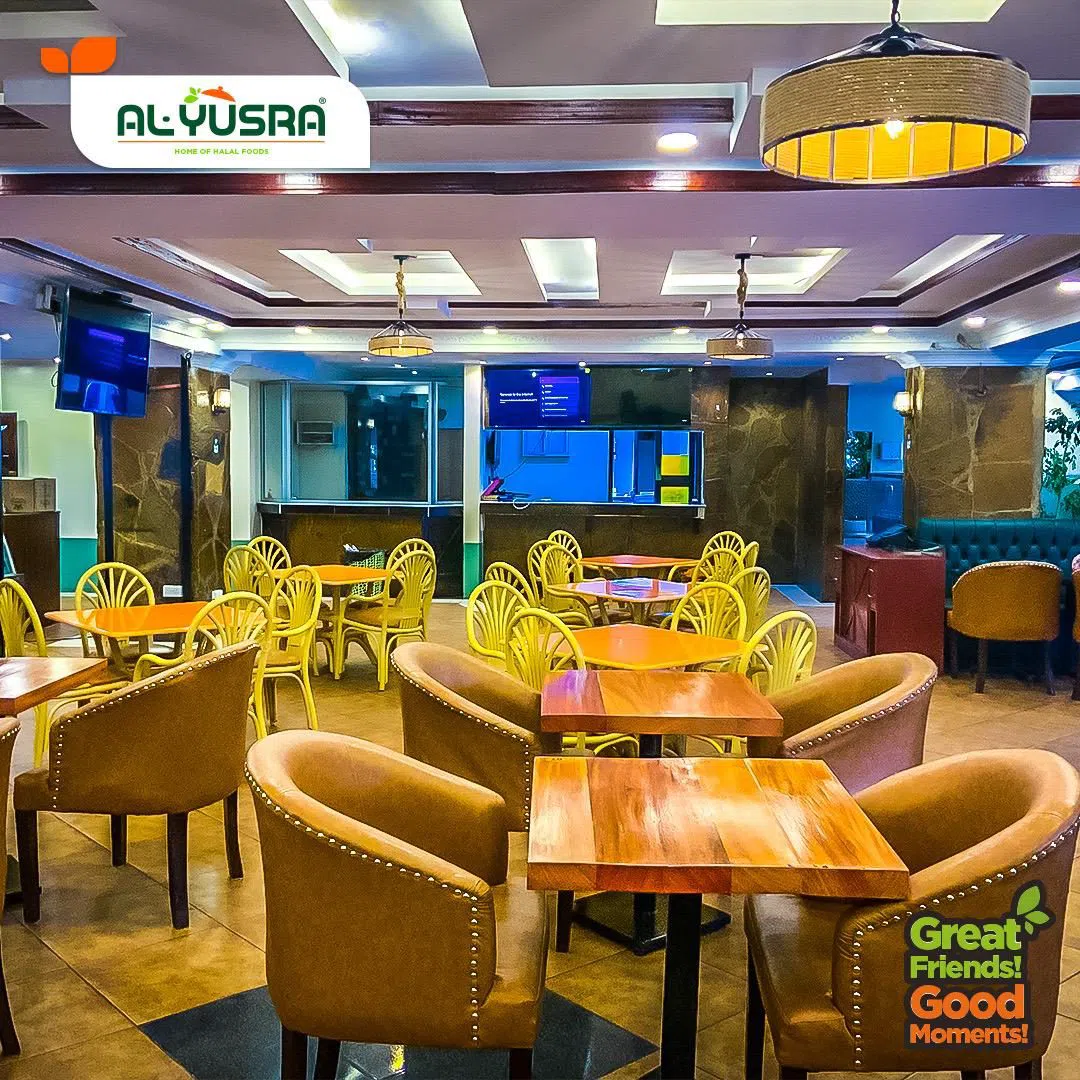
Al-Yusra (Eastleigh) has been serving since 2005 and took a Kenya Tourism Awards win in 2024. This is a sharing-platter operation used to enormous family tables: mandi rice under slow-cooked meat, biryani, the Arab-Somali side of Kenyan cooking that most visitors leave the country without tasting. Open 6am to 9pm, seven days, no alcohol. KES 500 to 1,500 a head. Come hungry and let one person order for the table, which is how the room works anyway.
Traditional food with a booked table
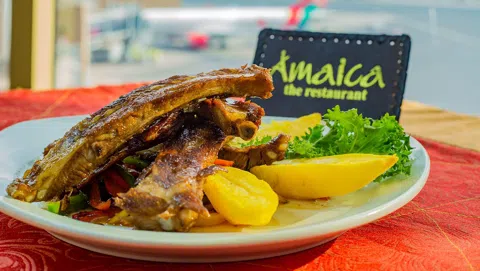
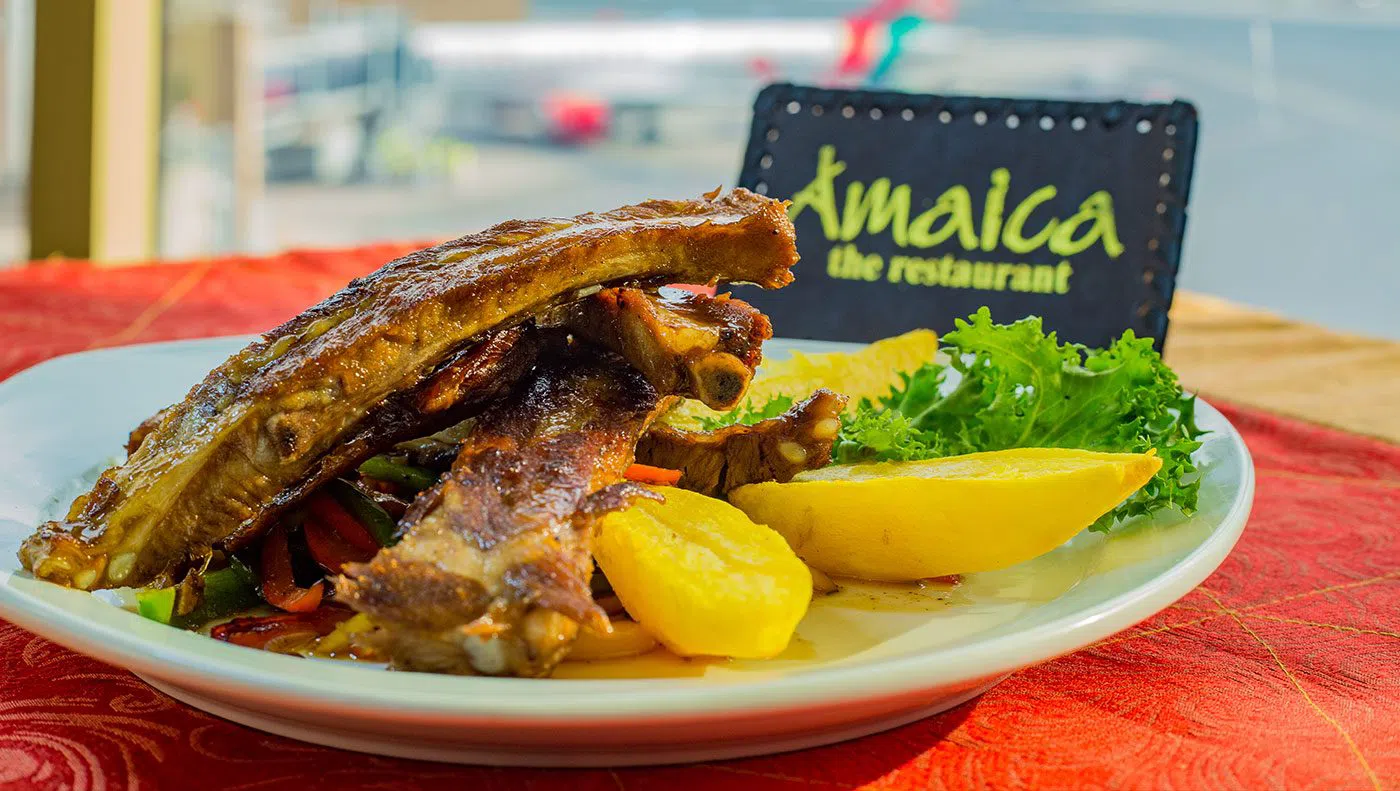
Amaica The Restaurant (city restaurant, plus a 24-hour branch inside the international departures lounge at the airport) is the one formal dining room that treats indigenous Kenyan food as something to be studied rather than survived. Seven traditional vegetables on one plate, groundnut sauces, and tsiswa (white ants), nutty and crisp and genuinely good if you can get past the description. It takes reservations and handles large tables and private functions, which makes it the sane choice for a group that wants to eat traditionally without a bench-and-butcher-paper setting. KES 1,500 to 3,000 per person. The airport branch runs around the clock, which makes it comfortably the best thing you can do with a long layover.
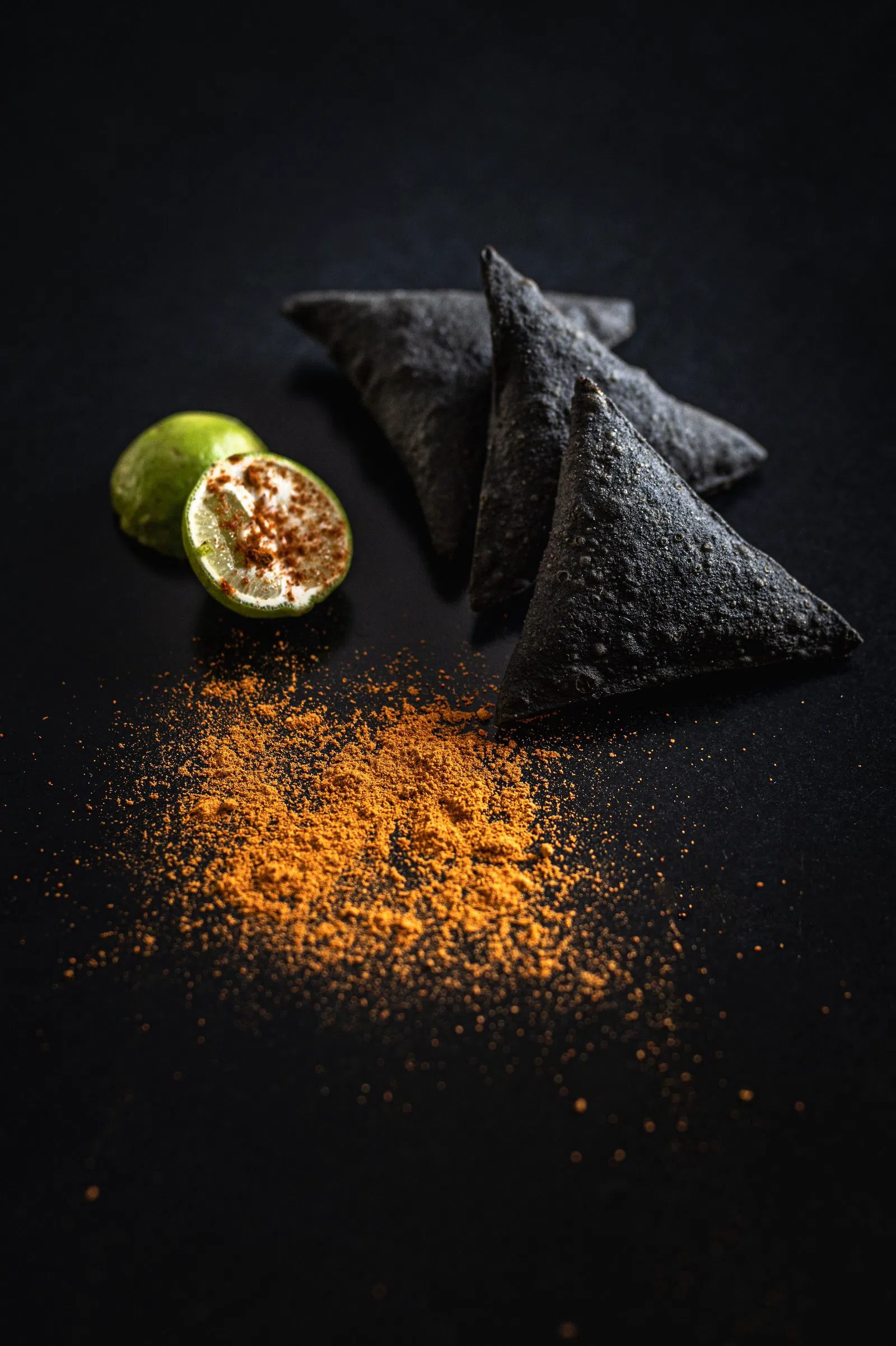
Jiko (inside a hotel, with reservations and private dining) is the strongest argument that this food belongs on a tasting menu. Mutura (the blood-and-meat sausage that is normally a roadside snack) and mbuzi choma are rebuilt here with real technique, and the result stays Kenyan instead of collapsing into generic hotel cooking. Open 7am to 11pm daily. KES 2,500 to 5,000 per person. Book it when you want a table held, a bill split cleanly and a room quiet enough for conversation.
Eating Kenyan without the meat
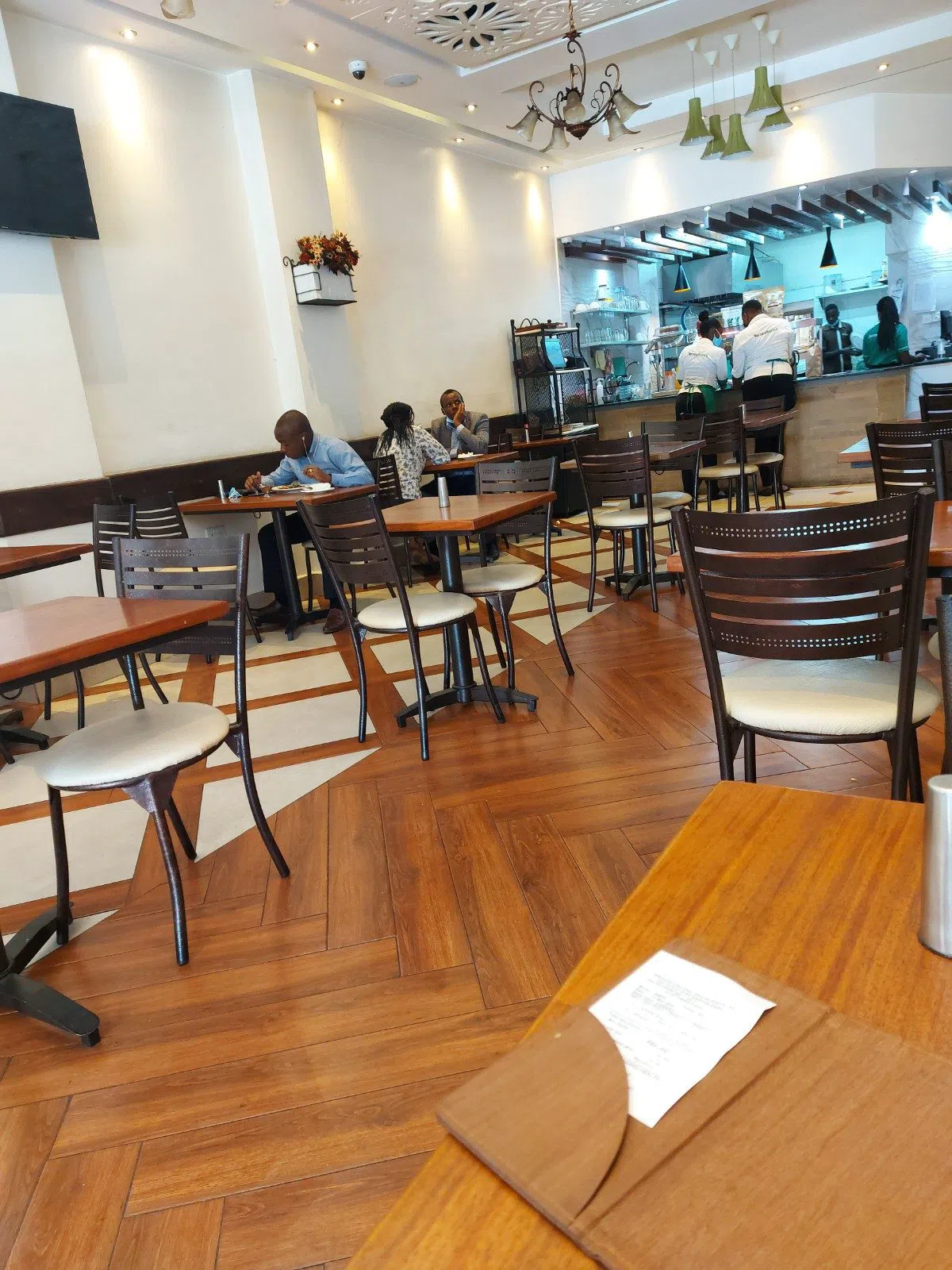
Bridges Organic Restaurant (central business district) has been cooking traditional dishes with certified organic produce since 2006, and it is the easiest place in the city for a vegetarian to eat properly Kenyan rather than defaulting to a curry. Njahi, the black beans mashed dark and dense; ndengu, green grams simmered with coconut; mbaazi, pigeon peas; nduma, arrowroot, earthy and firm; and irio, potato mashed through peas and maize. Mains run roughly KES 400 to 600. Open 6.30am to 9pm Monday to Saturday, closed Sunday. The room is small, so it works for a pair or a four and not for a party; a second branch closed in 2025, leaving only the original. For anything more than four, book Amaica instead.
Practical notes
Ride-hailing apps work everywhere in this article and are the sensible default; agree nothing with a driver off the street. Traffic, not distance, sets your travel time. Allow an hour for the hills, and avoid crossing town between 5pm and 7pm unless you enjoy sitting still.
Carry cash in small shilling notes for the market stalls and the roadside grills; mobile money is accepted almost universally, and cards are reliable only at the upper end: Carnivore, Jiko, Amaica and the hotel dining rooms. Nobody at a butchery counter is running a card machine.
Timing decides more than choice here. Lunch peaks hard from 1pm to 2.30pm across the CBD canteens; the coastal weekday-only hours catch people out; goat needs 60 to 90 minutes on charcoal wherever you order it. Ring ahead where the hours are shaky.
On budget, a full plate of fish, ugali and greens costs KES 500 to 1,200, a proper choma afternoon KES 1,000 to 2,000 with drinks, and the set feast about KES 4,800. You can eat extremely well here for under KES 1,500 a day. For a base within walking distance of half this list, start with the Nairobi hotel search; for everything beyond the table, the Nairobi guide covers the rest of the city.
One last habit worth borrowing: eat somewhere twice before you decide what you think of it. Every kitchen on this list has a slow Friday and a brilliant Tuesday, and the difference is usually the hour you walked in.
Before you go
Can I eat proper Kenyan food during a layover at the airport?
Yes. Amaica The Restaurant has a branch inside the international departures lounge at JKIA that runs 24 hours and serves the same traditional menu (seven traditional vegetables, groundnut dishes, tsiswa) as the city restaurant. It is the best option if you never clear immigration. If your layover is long enough to leave the airport, K'Osewe Ranalo Foods in the CBD is open from 10.30am until late and needs no booking.
Can you still eat game meat at The Carnivore Restaurant?
No. Kenya banned the commercial sale of game meat in 2004, so the set feast is now beef, lamb, pork, chicken and farmed exotics: ostrich and crocodile. Anyone offering you zebra or gazelle is describing a menu from a different era. The feast costs about KES 4,800 per person, drinks extra.
How do I avoid being overcharged for nyama choma at a market?
Agree the price per kilo before any meat is cut. At Kenyatta Market you pick the meat raw, they weigh it, then it goes on the grill, so settle the number at the counter and not at the bench. Order everything from one stall instead of being pulled between counters, and skip stall B9, which is known for quoting foreigners several times the going rate.
Where can a vegetarian eat genuinely Kenyan food in Nairobi?
Bridges Organic Restaurant in the CBD, which has cooked traditional dishes with certified organic produce since 2006. Njahi, ndengu, mbaazi, nduma and irio all appear on one menu, with mains around KES 400 to 600. It opens 6.30am to 9pm Monday to Saturday and closes Sunday. The room is small, so it suits a pair or a four rather than a group.
Which of these places take reservations for a group?
Amaica The Restaurant, Jiko and The Carnivore Restaurant all take bookings and handle large tables; Carnivore also accepts walk-ins, though reservations are advisable for dinner and weekends. Olepolos Country Club wants a phone call in advance so the goat or chicken goes on the fire before you arrive, because it takes 60 to 90 minutes. K'Osewe and Kenyatta Market take no bookings at all, so time your arrival around the 1pm to 2.30pm rush.