The Nairobi issue
Nairobi on a first work trip, from client dinners to game drives
Where to base yourself, which rooms hold up for a client dinner, and what to do with a free morning before an 11am meeting: Nairobi read as a working city.

By Lukas BrandtNairobi neighbourhood by neighbourhood, on foot and by matatu

Nairobi sits at about 1,795 metres, high enough that the afternoon light stays hard and the evening cools to jacket weather by seven. It is not a city you can measure in kilometres. The eight between your hotel and your dinner take twelve minutes at nine at night and fifty at six in the evening, and nothing on the map warns you which one you are getting. A first work trip here goes well or badly on two decisions made before you land: where you sleep, and how far you are willing to travel for dinner.
Read the map before you book a room
Four parts of Nairobi matter to someone working here. Westlands, immediately north-west of the centre, is where most corporate meetings happen; it is dense with offices, hotels, bars and restaurants, and hops within it are short. Gigiri, six or seven kilometres further north up Limuru Road, is the diplomatic quarter: the UN complex, embassies and the aid organisations that orbit them. It is green, residential and has almost no evening life of its own. Karen, fifteen to twenty kilometres south-west at the foot of the Ngong Hills, is old farmland turned into large gardens and low buildings; it is the most pleasant part of the city to eat in and the most punishing place to be stuck at the wrong hour. The older central business district still holds banks and ministries, but very little you will want after five.
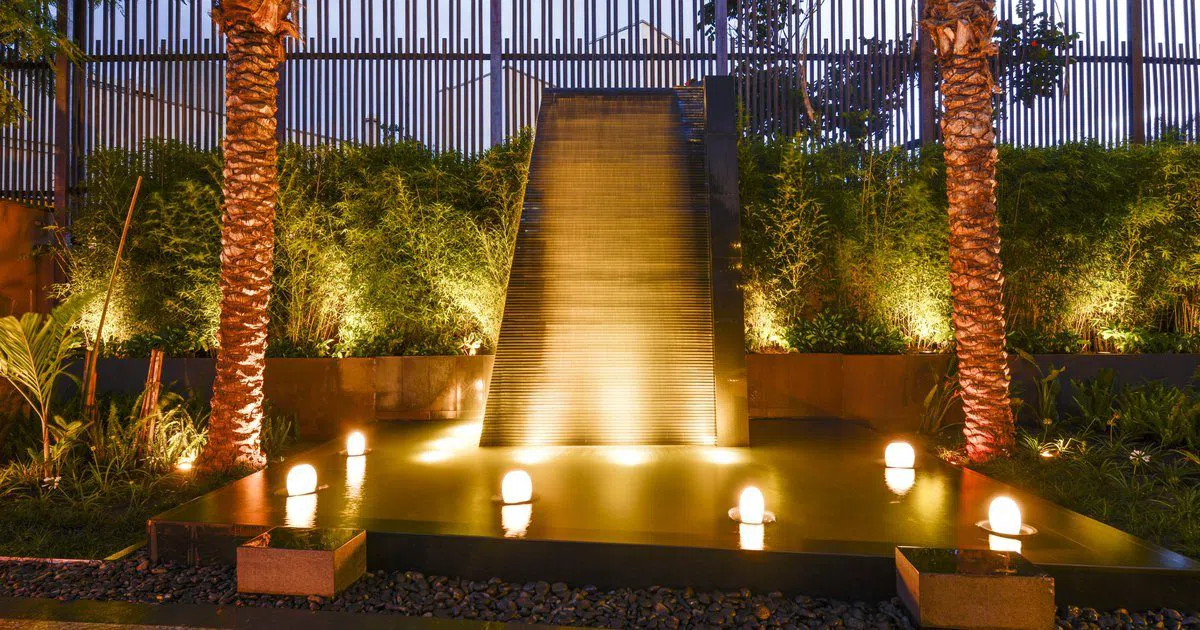
Pick the base that matches your calendar rather than the one with the best photographs. Sankara Nairobi (Westlands) is the most useful single address if your meetings are corporate: rooms run roughly USD 220-320, you can walk to a good share of the business district, and the Sarabi rooftop is open noon to midnight daily, which makes it an informal meeting room for the hour between checkout and a flight. Sarabi's online booking takes tables of ten or more, and the hotel runs full meeting and event space downstairs. The one caveat is noise. There are live bands and guest DJs several nights a week, and rooftop drinks at KES 1,200-2,500 are not the setting for a call you need to concentrate on.
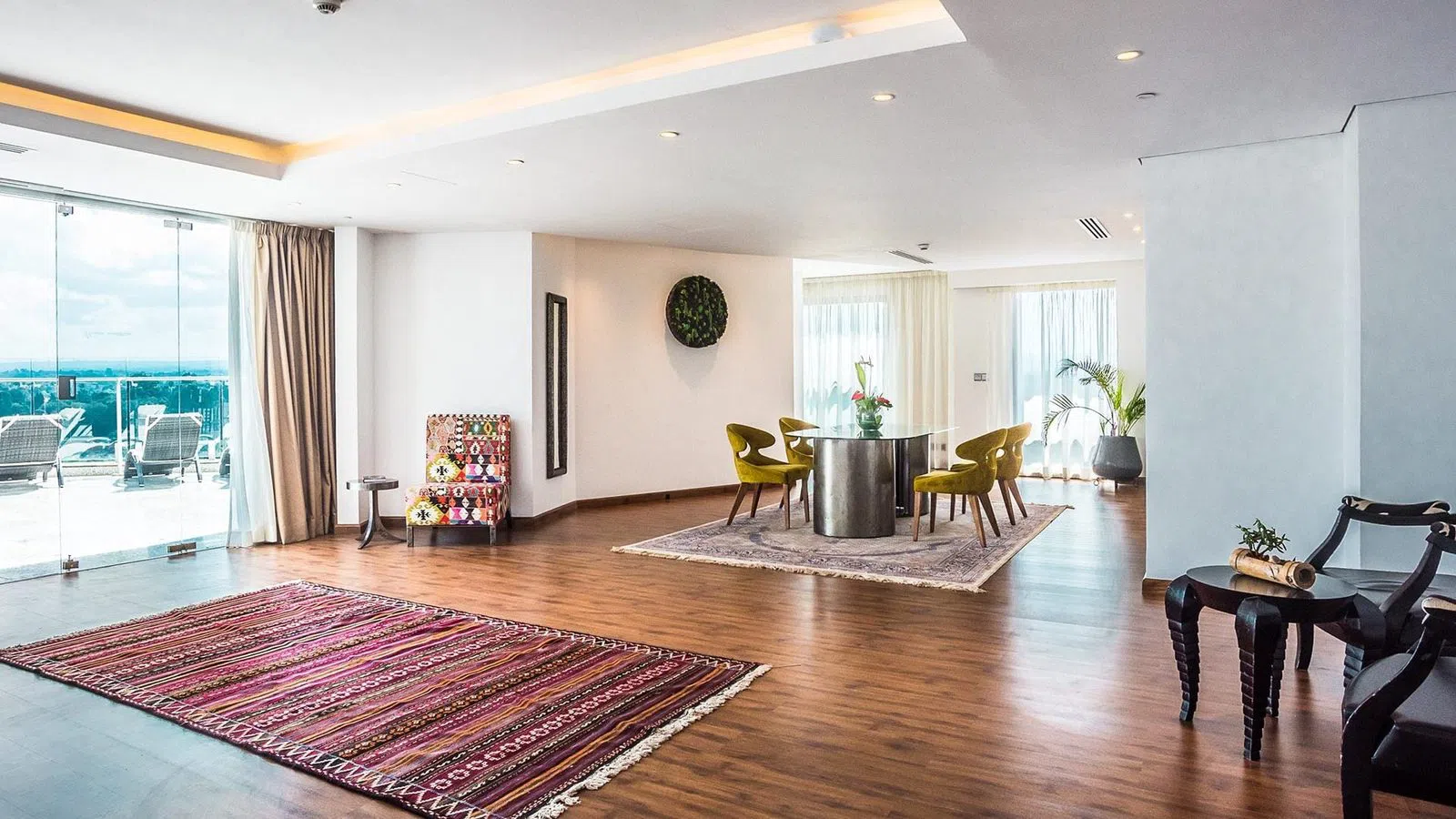
Trademark Hotel (Gigiri) is the answer when the meetings are with the UN complex, the embassies or the NGO sector rather than with corporate Westlands. It has 215 rooms, a 24-hour business centre, meeting rooms and event space for up to 500, which makes it the default when a delegation travels as a group and needs to work in the building. Rooms sit around USD 180-260, and the attached mall means dinner, a gym and a pharmacy without getting back into a car, which is worth more than it sounds on a Tuesday night in Gigiri. If your week is split across town, compare what is actually near your first appointment before you commit; the Nairobi hotel search is quicker than guessing from a map that tells you the distance and nothing about the hour you will lose to it.
Plan your Nairobi trip
Live prices from our booking partners.
Free cancellation on many rooms. We may earn a commission when you book.
Client dinners in Westlands and the west
INTI – A Nikkei Experience (Westlands, high in the Global Trade Centre tower) is the most impressive room in the city to put a client in. The cooking is Nikkei, the Japanese-Peruvian tradition, and it arrives as ceviche and sashimi with the whole of Nairobi laid out below the glass. It opens noon to 10pm daily, and the sundowner window from 4.30 to 6.30pm is useful when a meeting has overrun and dinner would be too much. Budget KES 4,000-7,500 a head, with drinks at the upper end. Two rules matter. The smart-casual dress code is enforced: no shorts, vests, flip-flops, sportswear or caps, so if you have come straight from a site visit, change first. And parties of ten or more must book by phone on the reservation line and pay a deposit, so a delegation dinner is not a same-day decision.

Seven Seafood & Grill (Westlands, at ABC Place on Waiyaki Way) is Chef Kiran Jethwa's restaurant and has been running since 2010, serving coastal Kenyan seafood alongside aged beef. Its practical advantage over everything else in this bracket is the calendar: 11am to midnight, seven days a week. It is the only serious Westlands option open every single day, which matters when the meeting finishes at nine, or when your Sunday turns out to be the only night everyone is free. Private dining is available, and walk-in groups are absorbed better here than almost anywhere. Reckon on KES 3,500-7,000 a head.
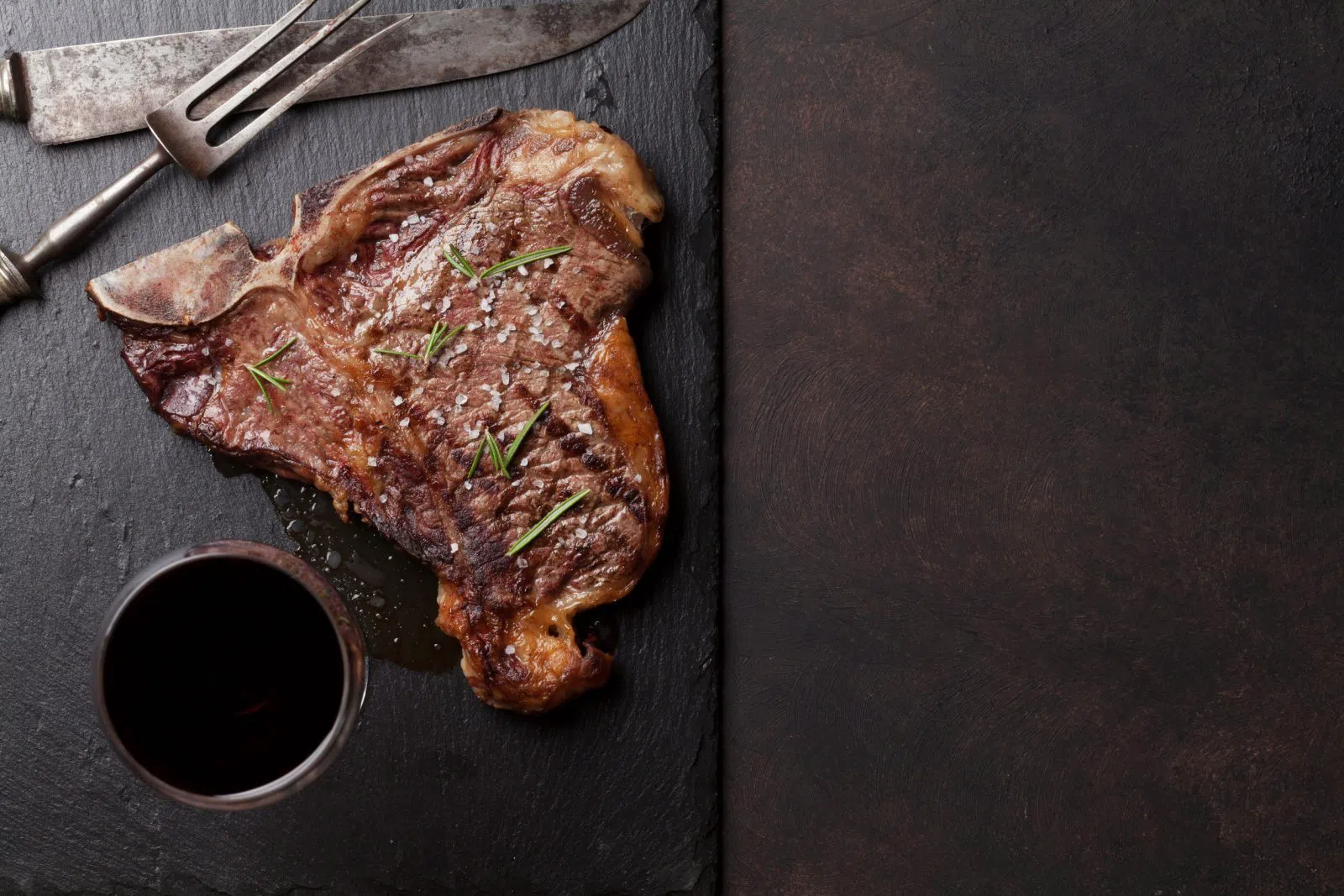
Cultiva Kenya, in the quiet Lavington streets west of the centre, is the farm-to-table option and the one that solves a problem nobody wants to raise at the table. The menu is split by Hunter, Gatherer, Farmer and Fisher, so a mixed group orders along those lines without anyone having to announce a dietary requirement to a client. Book through the website's reservations page for groups, and ask for the garden decking rather than the indoor container rooms; the decking handles a long table far better. It is closed Mondays and the last food order is 9.30pm, so this is an early dinner or none at all. KES 3,500-6,000 a head.

Karen, when the evening should slow down
The Talisman (Karen) has been a fixture since the 1990s and remains the safe choice when you do not know your guests' tastes. The long tables in its garden make it the best group room in the city, and there is private and function space if you need a closed door. Reservations are strongly advised. Note the hours before you promise anyone a long night: closed Mondays, kitchen shuts at 10pm and 9pm on Sundays, though the bar runs to 1am. KES 3,000-5,500 a head.
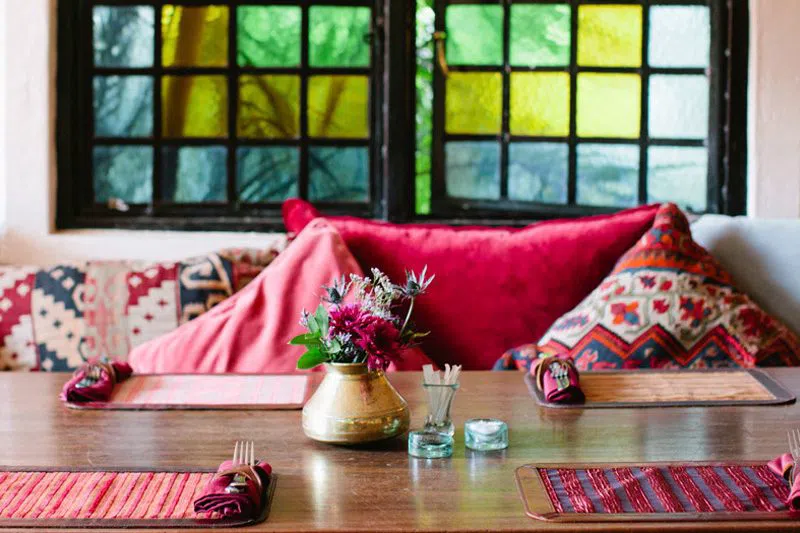
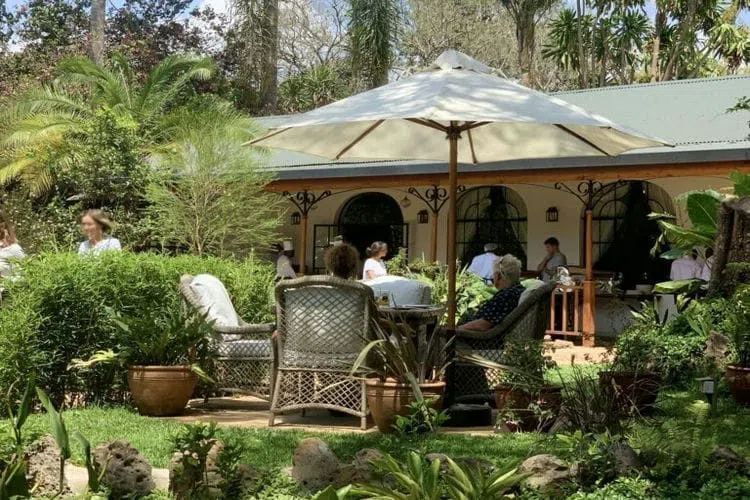
Tamambo Karen Blixen Coffee Garden (Karen) sits on the original Blixen farm plot, next door to the museum, and is run by the Tamarind Group. It opens at 6am and closes at 10pm, which makes it the rare address that can hold a breakfast meeting and a client dinner on the same day. For groups it is purpose-built: the Grand Marquee tent takes conference dinners, and Grogan House does properly private, closed-door dinners. KES 3,000-5,000 a head.
One piece of logistics for both. From Westlands, Karen is around thirty minutes late in the evening and can be well over an hour at 6pm. If you are hosting, either move the booking to 7pm and accept the traffic, or ask your hotel to hold a car for the return rather than standing on an unlit garden road at half past ten hoping an app finds you.
Where to take the team instead
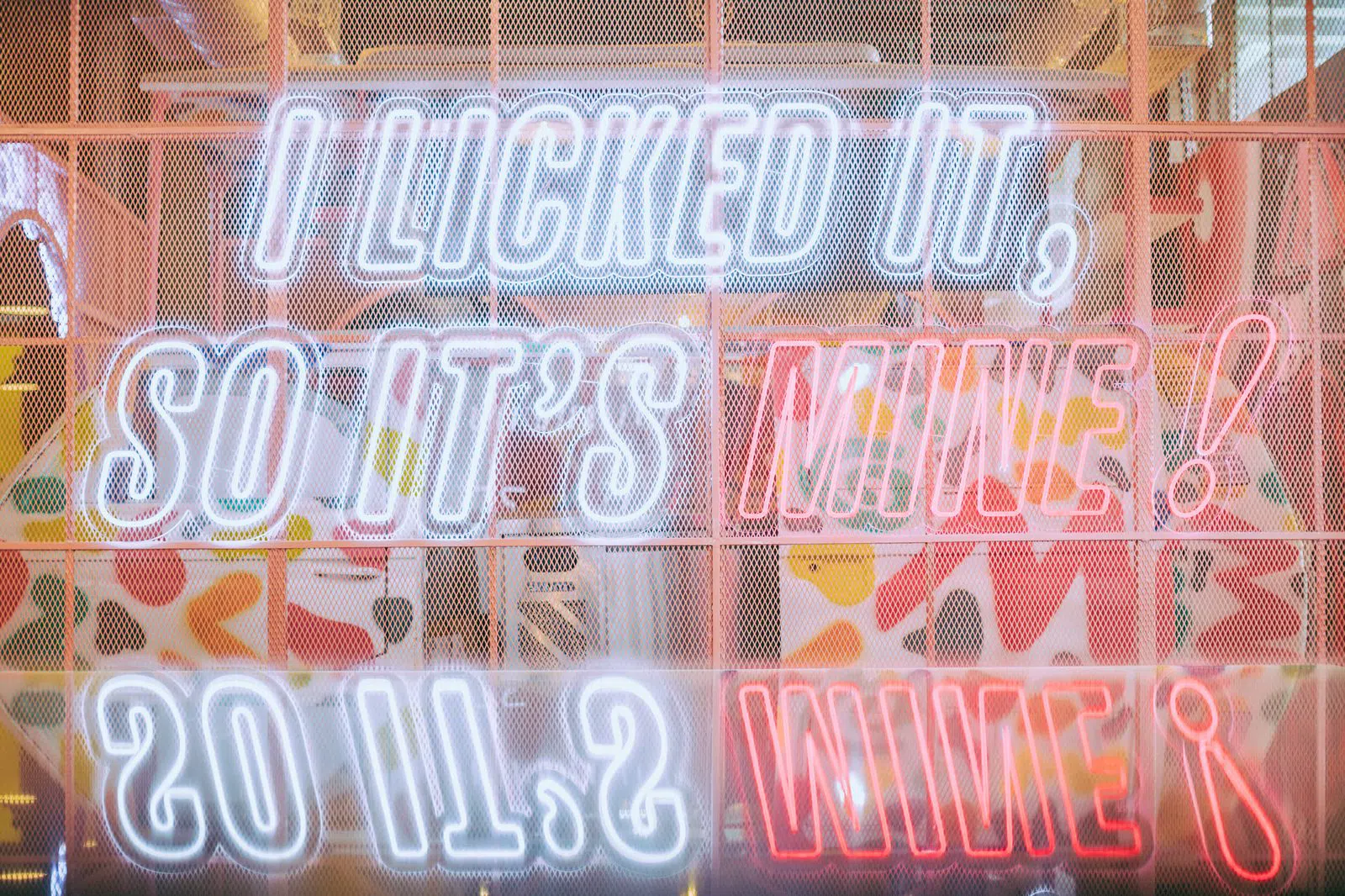
Not every dinner is a client dinner, and the mistake first-timers make is spending the good room on their own colleagues. Nairobi Street Kitchen (Westlands) is the natural choice for a team that cannot agree: eleven or more kitchens under one roof, including Fire N Dough, Beer & Bones, Library 68 and Si Senor, with open seating and no door policy to speak of. It costs KES 1,500-3,500 a head and it is loud. That makes it right for colleagues and junior counterparts and wrong for anything formal. Street Thursdaze from 8pm and Social Sundays from 3pm are the busiest slots; go then if you want the atmosphere, avoid them if you want to talk.
The Alchemist Bar (Westlands) is the city's best-known nightlife address and the gentlest introduction to it, because it is outdoors, walled and a two-minute ride from the Westlands hotels. It opens from noon until late. There is no strict door policy and no pressure to take a table, so arriving as a group of six or ten and finding space is straightforward. Drinks run KES 1,200-3,000, with a cover charge on headline nights.

K1 Klub House (Parklands) is the most group-tolerant venue in this guide: acres of outdoor seating, four bars, and closing hours later than almost anywhere else in Nairobi. It has been running for more than twenty years and is still where locals actually go, which is not a claim I would make about most bars on a business traveller's list. KES 1,500-3,000 a head. The Sunday flea market and Thursday reggae nights are the two worth timing a free evening around.
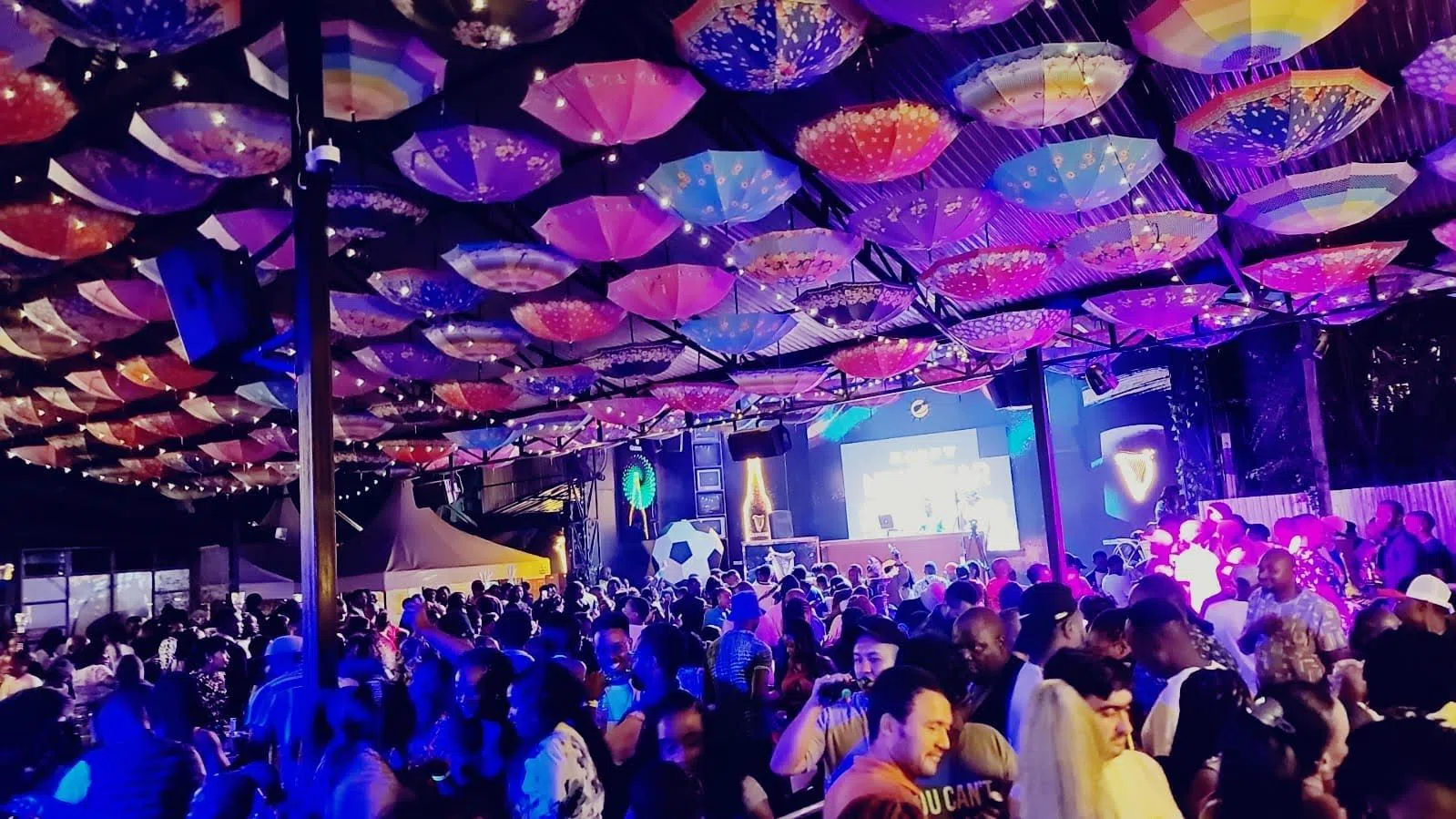
Be honest with yourself about what these three are. They are good, they are safe, and none of them is where you conclude a negotiation. Arrive earlier than instinct suggests, nine rather than eleven, because the point of a work-trip night out is to be in bed before the alarm becomes a problem.
Where to hold a coffee meeting
A surprising share of useful work in Nairobi happens over coffee, partly because it is faster than lunch and partly because the traffic makes a 45-minute meeting near someone's office worth more than a two-hour one across town. Connect Coffee Roasters, with rooms in Hurlingham and Gigiri, is the most laptop-and-meeting-friendly space in the city: it roasts on site, buys direct from smallholders, and has small meeting pods and quiet tables that suit two to four people. Coffee is KES 400-900, KES 1,200-2,000 with food. It is too calm for a large party, so take a counterpart here when the meeting is real work rather than theatre.
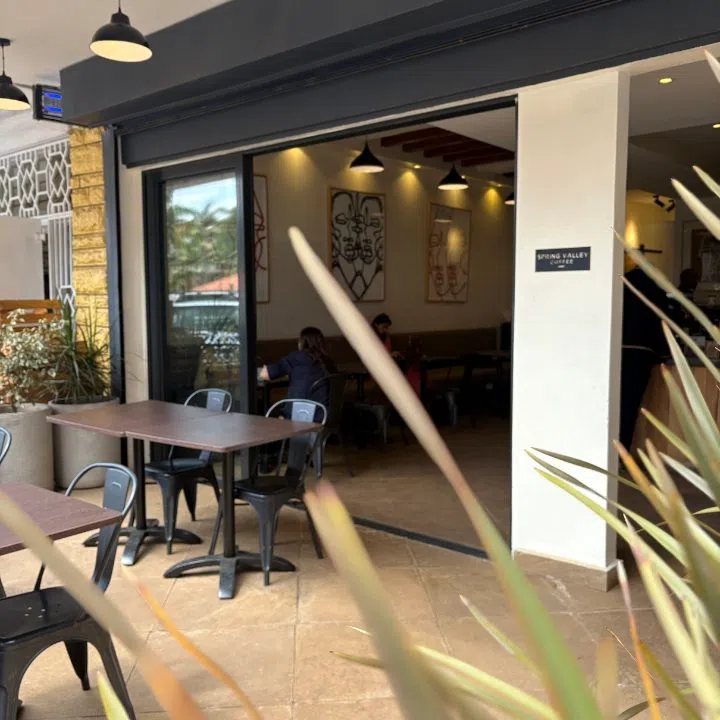
Spring Valley Coffee has eight Nairobi sites, including Westgate, Village Market, Lavington, Karen and both terminals at Wilson Airport. The cafés are small, so think one-to-one or a table of four rather than a team. It is one of the Kenyan roasters deliberately keeping the country's best lots at home instead of shipping all of them out, and it has picked up international awards for its overseas café. The Wilson branches are the practical detail worth filing away: Wilson is the small airport south of the centre that handles domestic and upcountry flights, and a decent flat white before a 7am hop to a project site is not nothing.
A free morning, spent properly
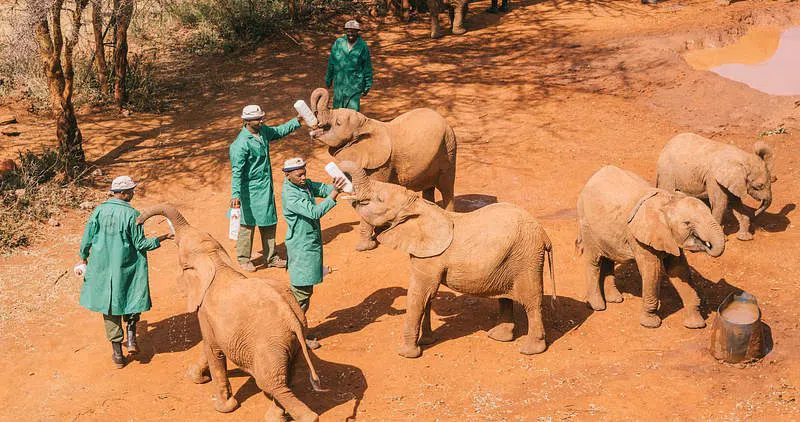
If you have one window, book the Sheldrick Wildlife Trust Nairobi Nursery first and build the rest of the day around it, because it is the tightest-scheduled thing in Nairobi. It opens for exactly one hour a day, 11am to noon, every day except 25 December. Booking is by email in advance only. Same-day requests are refused and the hour is not extended for latecomers. Groups are fine if booked ahead. Entry is a USD 20 adult donation (USD 5 for under-12s), plus the separate Kenya Wildlife Service park fee, and you should arrive by 10.30am via the Mbagathi/Workshop Gate on Magadi Road.
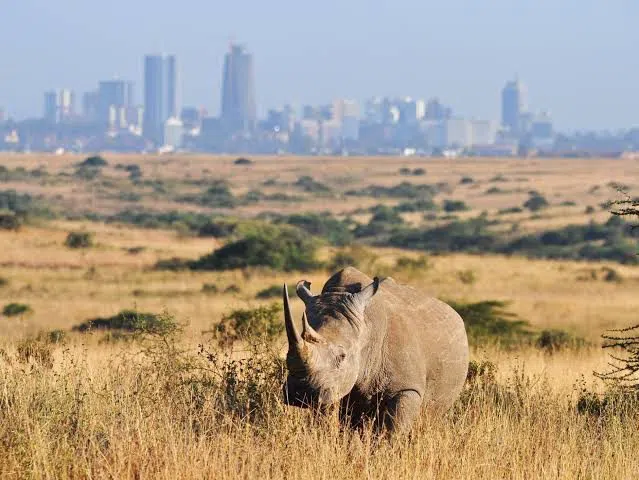
Nairobi National Park is the only national park bordering a capital city, and a 6.30 to 11am drive genuinely fits before a lunch meeting. Non-resident entry is USD 80 per adult plus KES 570 per vehicle; a half-day drive with hotel pick-up runs USD 80-150 per person shared, or USD 200-350 for a private vehicle. Gates are open 6am to 7pm. Book park entry online before you go. Payment is by card, M-Pesa or eCitizen, and no cash is taken at the gate.

With less time, the Giraffe Centre (Langata) is the easiest thing to slot into a gap: open 9am to 5pm daily, no booking needed, KES 1,500 for non-resident adults and KES 400 for residents. It has been run by the non-profit AFEW Kenya since 1979 to protect the Rothschild's giraffe, and your ticket also covers the free 1.5km nature trail across the road, where the giraffes wander unfenced. It stopped taking cash in early 2026, so card or M-Pesa only.
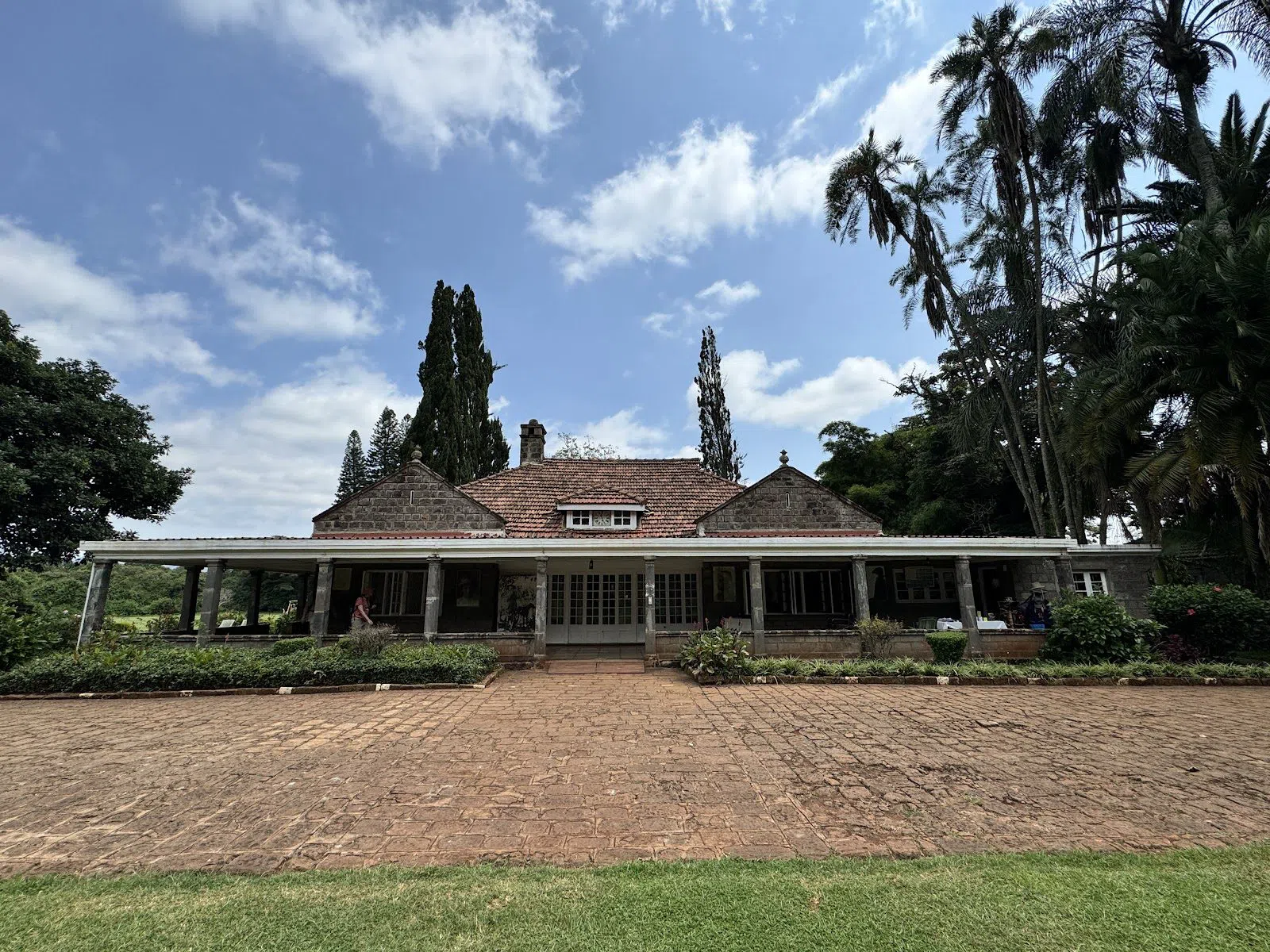
The Karen Blixen Museum (Karen) is the other half-hour that repays itself, particularly if your dinner is already booked nearby. This is the Danish writer's 1912 farmhouse, run by the National Museums of Kenya, open 8.30am to 5.30pm every day including public holidays, with a guided tour included in the ticket and group, student and child discounts available. Non-residents pay about KES 2,341 (roughly USD 18); East African citizens pay KES 550. Book on eCitizen before you arrive, because there is no cash desk at the gate. It is ten minutes from Karen's restaurants, which makes museum-then-lunch the one relaxed sequence available to a working visitor. For background on the wider city beyond the working week, the Nairobi guide covers the ground this piece deliberately skips.
Practical notes for the week
Arriving. Jomo Kenyatta International is south-east of the city. The expressway makes Westlands about twenty to thirty minutes off-peak; the old road at rush hour can take well over an hour. Tolls are paid at the barrier and are modest for a car. Wilson Airport, south of the centre, is the one for domestic and upcountry flights, so do not confuse the two when booking a transfer.
Moving around. Uber, Bolt and Little all work well and are the default for visitors. Hotel cars cost more but they wait for you, which is worth paying for at night or when a driver has to find a garden gate in Karen. Send a pin rather than an address, because buildings are named and street numbers frequently are not. Do not walk between Westlands venues after dark with a laptop bag; the rides cost a few hundred shillings.
Money. M-Pesa runs the country, and picking up a visitor SIM on arrival gives you access to it. Cards are accepted at every venue here. Cash is the thing that increasingly does not work: the national park, the Giraffe Centre and the Blixen museum have all moved to card, M-Pesa or eCitizen only.
Timing. Rush hours run roughly 6.30-9.30am and 4.30-8pm, and they are the single biggest constraint on your diary. Kitchens close earlier than the bars suggest, 9.30pm at Cultiva and 10pm at the Talisman and Tamambo, so book dinner for 7 or 7.30pm rather than 8.30pm. Nairobi runs on East Africa Time, UTC+3, and office hours are broadly 8.30am to 5pm.
Weather and dress. The altitude means there is no punishing hot season, but evenings drop to around 12-14°C, so bring a jacket for any garden dinner. The long rains fall roughly March to May and the short rains around October to December. Smart-casual is the working floor; at INTI it is the enforced minimum.
Budget. A realistic working day is USD 180-320 for the room, KES 3,000-7,500 a head for a client dinner, KES 1,500-3,500 for a team night, and under KES 2,000 for a coffee meeting that gets more done than either. Add USD 80-350 if you take the morning in the park. Tipping is not automatic; around ten per cent for good service is normal.
Admin. Apply for Kenya's electronic travel authorisation online several days before you fly, and print or save the confirmation. It is checked before boarding, not on arrival.
Before you go
Should I stay in Westlands or Gigiri for a business trip to Nairobi?
Westlands if your meetings are corporate. Sankara Nairobi puts you within walking distance of much of the business district and has a rooftop that works as an informal meeting room. Gigiri if you are dealing with the UN complex, embassies or NGOs: Trademark Hotel has 215 rooms, a 24-hour business centre and event space for up to 500, which makes it the default for a delegation. Crossing between the two at 6pm can take an hour, so let the calendar decide.
Where should I take a client to dinner in Nairobi?
INTI: A Nikkei Experience in Westlands is the most impressive room in the city, Japanese-Peruvian cooking with the skyline below, and costs KES 4,000 to 7,500 a head with drinks. The dress code is smart casual and enforced. The Talisman in Karen is the safer pick when you do not know your guests' tastes, and its long garden tables suit a group better than anywhere else in the city. Both take reservations, and parties of ten or more at INTI must book by phone with a deposit.
Can I fit a safari around a working day in Nairobi?
Yes. Nairobi National Park is the only national park bordering a capital city, and a 6.30 to 11am drive gets you back for a lunch meeting. Non-resident entry is USD 80 per adult plus KES 570 per vehicle, and half-day drives including pick-up run USD 80 to 150 per person shared or USD 200 to 350 private. Book park entry online first: the gate takes card, M-Pesa or eCitizen, and no cash.
Do I need cash in Nairobi?
Less than you would expect. M-Pesa mobile money handles day-to-day payments and a visitor SIM gets you access to it, and cards work at every restaurant and hotel in this guide. Some attractions have dropped cash entirely: the national park, the Giraffe Centre since early 2026, and the Karen Blixen Museum, which wants tickets bought on eCitizen before you arrive.
How long does it take to cross Nairobi?
The hour matters more than the distance. Westlands to Karen is fifteen to twenty kilometres, about thirty minutes late in the evening and often more than an hour at 6pm. Rush hours run roughly 6.30 to 9.30am and 4.30 to 8pm, so book dinner for 7pm, cluster meetings in one part of town where you can, and remember that kitchens close between 9.30pm and 10pm even when the bars stay open.