
Nairobi doesn't hide its coffee — it auctions it, grades it under fluorescent light on a Tuesday morning, then watches the best of it move a few kilometres across town to be roasted by people who can tell you which estate it came from. Spend three or four days working this trail properly, café by café, and you start tasting the distance between a lot that just cleared the floor and a cup pulled from it a week later. This is that route, anchor first, then the city that grew up around what the exchange leaves behind.
The Floor Where the Prices Get Set
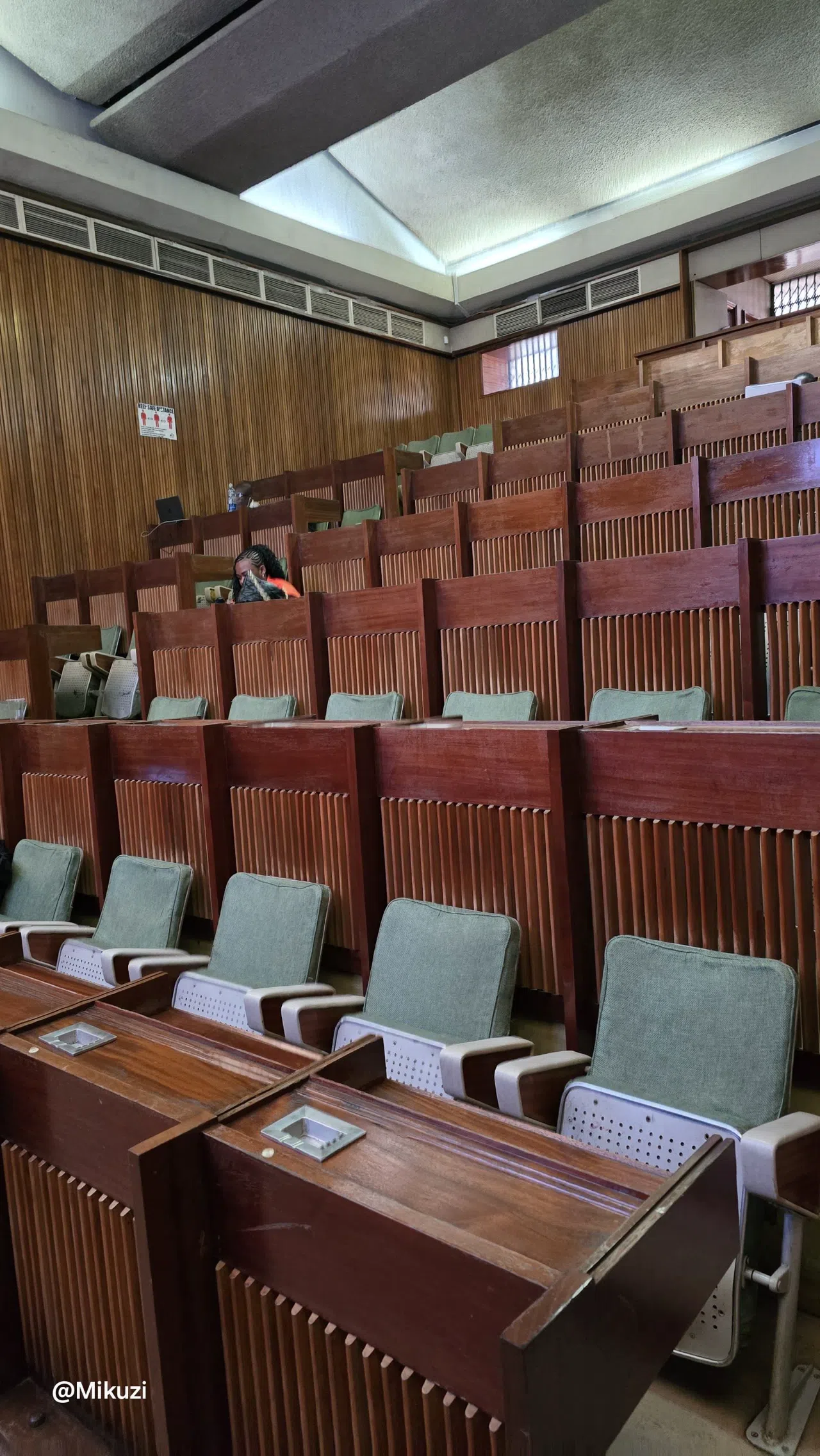
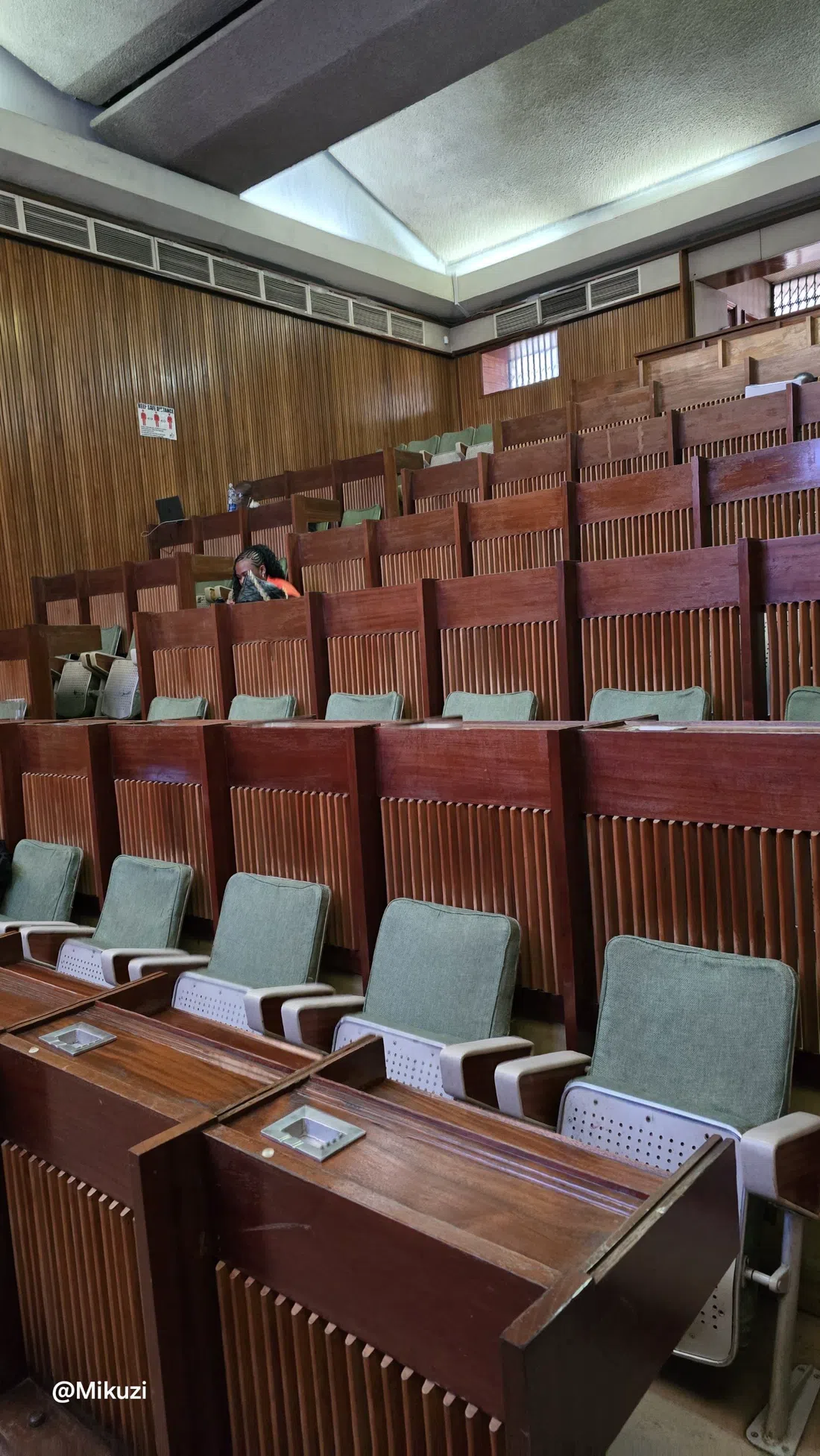
Everything on this trail answers to the Nairobi Coffee Exchange (city centre), the historic auction floor where graders in white coats run their hands through sample trays and set reference prices that ripple out to every roastery on this list. It is not a museum and it is not a walk-in tourist stop — you email or call ahead ([email protected]) and arrange a visit within working hours, ideally as a small group rather than a solo drop-in. There's no ticket, no gift shop, no theatre built for visitors; you're watching the actual mechanism of the regional coffee trade, cupping spoons and lot numbers and the particular hush of people doing serious work with other people's money. Go first, before any of the cafés, so the rest of the trail reads as cause and effect rather than a string of nice rooms that happen to serve coffee.
The Before: Where Nairobi Learned to Roast
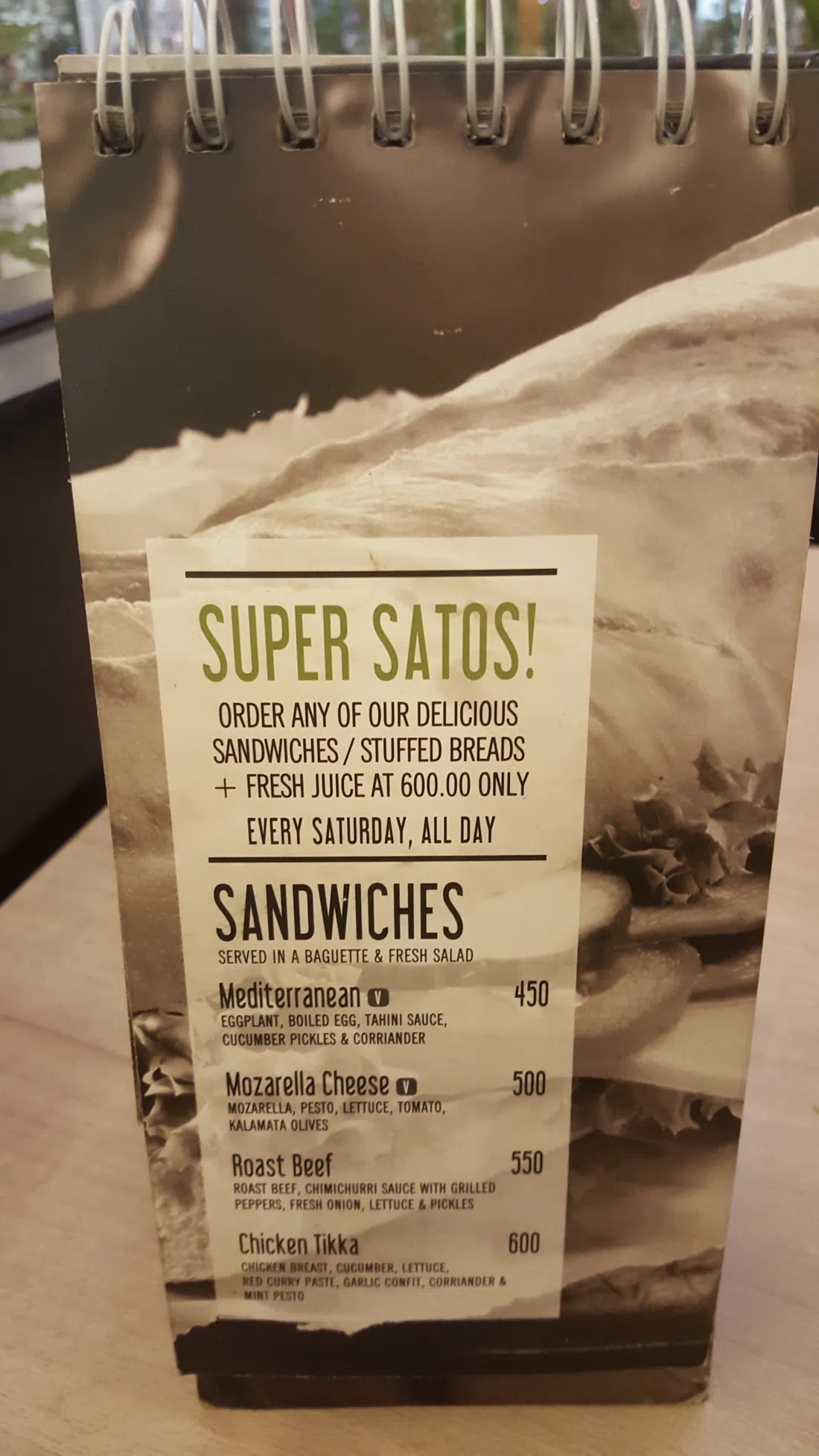
To understand what "third wave" is reacting against, sit down at Dormans Coffee (Junction Mall, Ngong Road) first. This is Kenya's original coffee roaster and the founder of the region's first barista training school — the house that taught a generation of the baristas now pulling shots at the newer places on this list. It's an ordinary café in a shopping mall, plastic-menu comfortable, and it takes groups without any fuss — book a table, not an appointment. Order a straight macchiato (KES 300–600) rather than anything flavoured, and you'll taste the house style: heavier roast, chocolate and toasted-nut, built for consistency across dozens of branches rather than for showing off a single farm lot. It's the trail's "before" — drink it, then go taste what the newer roasters did differently with the same green beans.
Westlands: The Roastery Cluster
Most of Nairobi's specialty roasting now happens within a short taxi ride of each other in and around Westlands, and it's worth giving this cluster a full morning rather than rushing it.
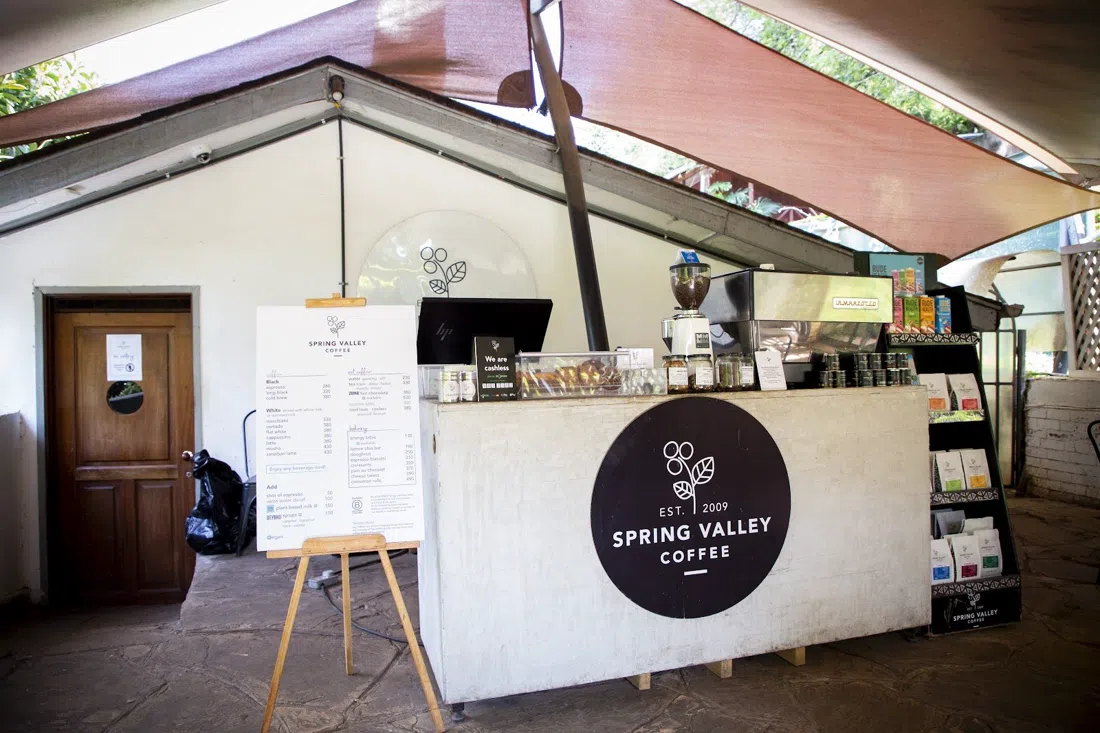
Spring Valley Coffee — The Roastery (Spring Valley) is where the modern scene starts: Kenya's original specialty roaster, established in 2009, sourcing from the same estates that clear the auction floor for export. The flagship café has a proper courtyard — big tables, shade, room to spread out — and at KES 400–700 a cup it's the easiest venue on this whole trail to bring a group to without calling ahead. Ask whoever's running the espresso machine what's on pour-over that week; the single-origin list turns over with the harvest, and a roaster this established will actually know the estate behind it, not just the country of origin printed on the bag.
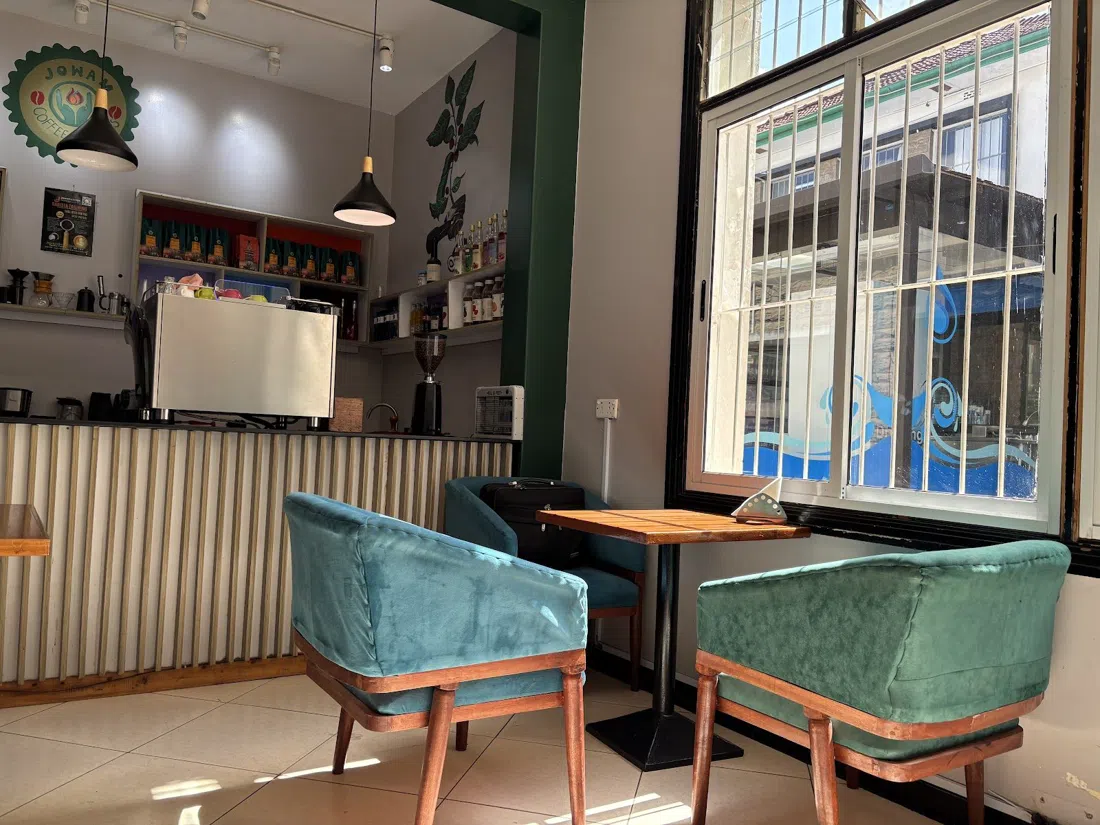
A short drive away, JOWAM Coffee Roasters (mall-level café) looks like a young, casual shopfront — comfortable seating, easy for groups, KES 350–600 — but it's the roasting arm of a coffee-trading operation with two decades behind it. That's the trick of this place: the room reads like every other mall café in the city, but the sourcing relationships with growers go back much further than the fit-out does. Don't judge it on the interiors; judge it on the cup.
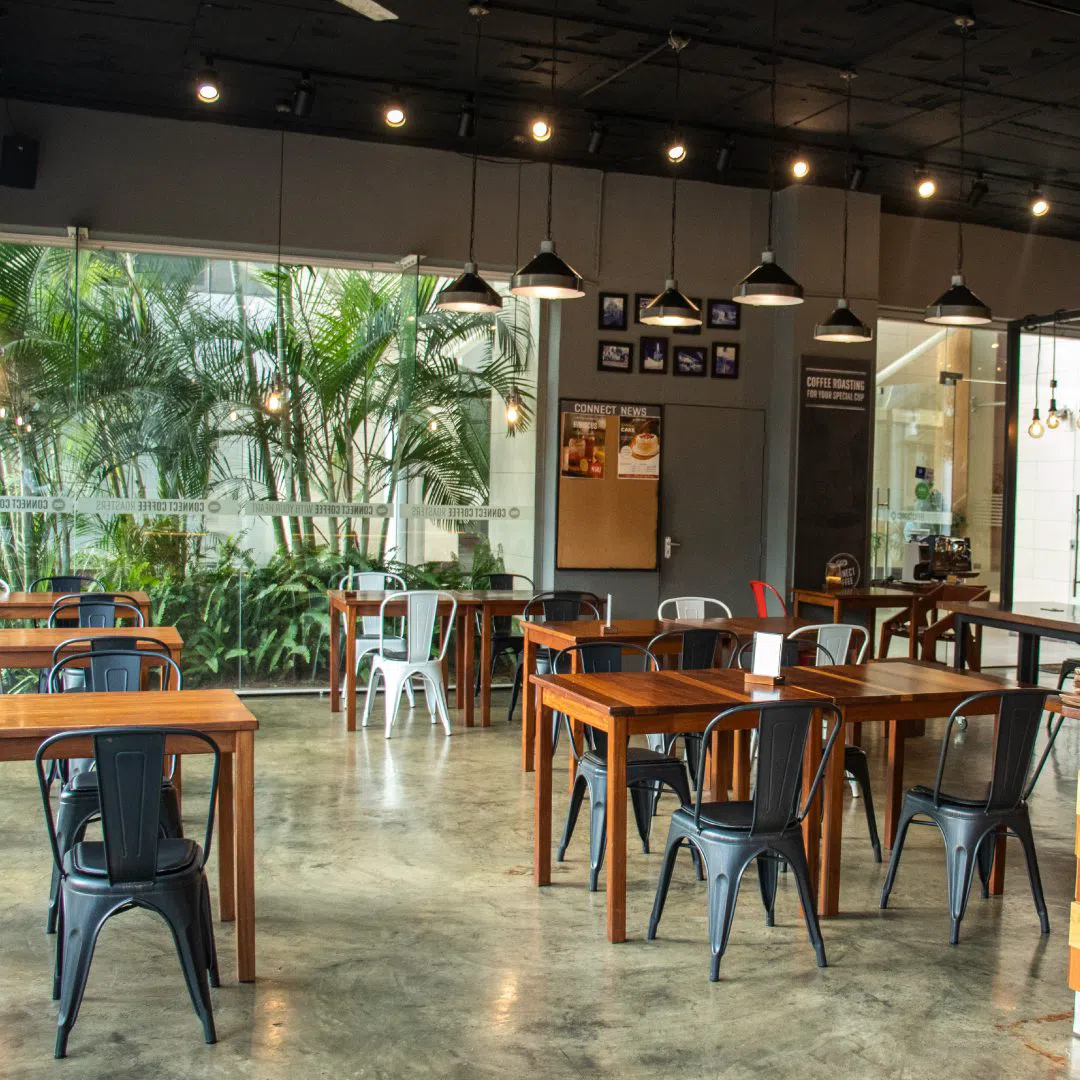
Connect Coffee Roasters (Westlands) is the direct-trade roaster that doubles as one of the neighbourhood's best laptop-friendly rooms — meeting pods, an open floor, KES 400–700, and it works fine for a small group as long as you're not trying to fill the whole café. It's less about ceremony and more about a genuinely good flat white you can sit with for two hours while someone works.
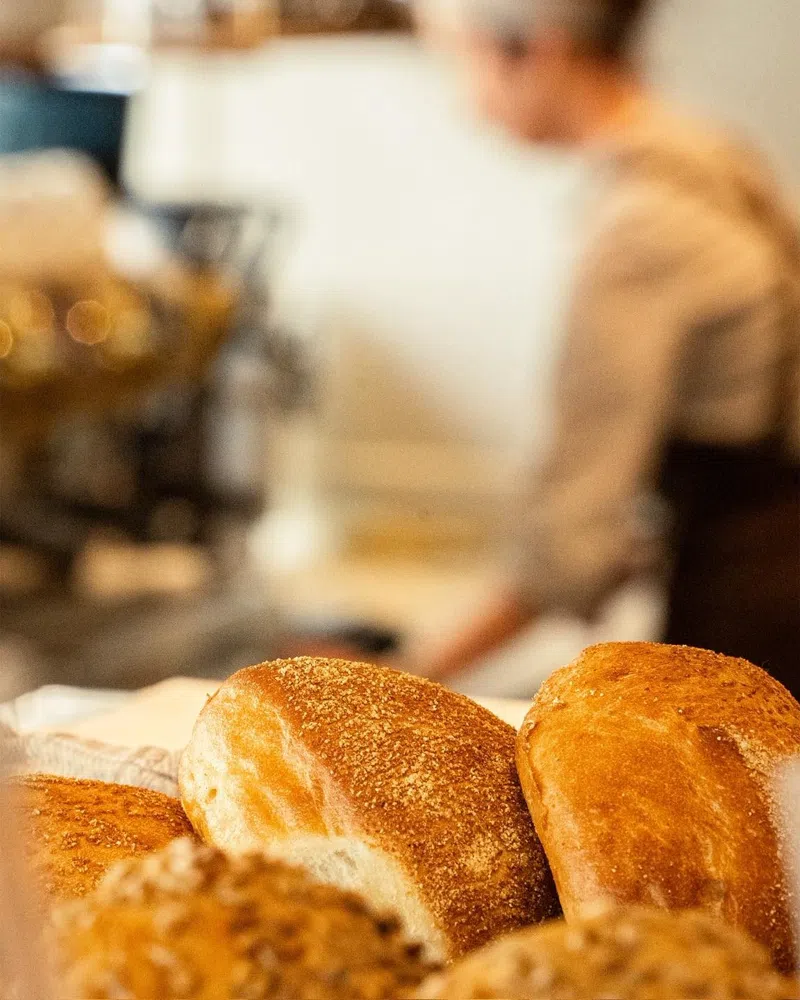
And if you only have time for one multi-branch stop, make it Barista & Co (Sarit Centre, Westgate, Keystone Park), a family-run specialty roastery and bakery chain since 2016 that's grown into the scene's biggest anchor with multiple branches. It takes groups easily at any of its locations, runs KES 400–750, and the draw beyond the coffee is its own artisan bakery — this is the trail's best stop if anyone in your group wants a proper pastry alongside their cup rather than just a biscuit on the saucer.
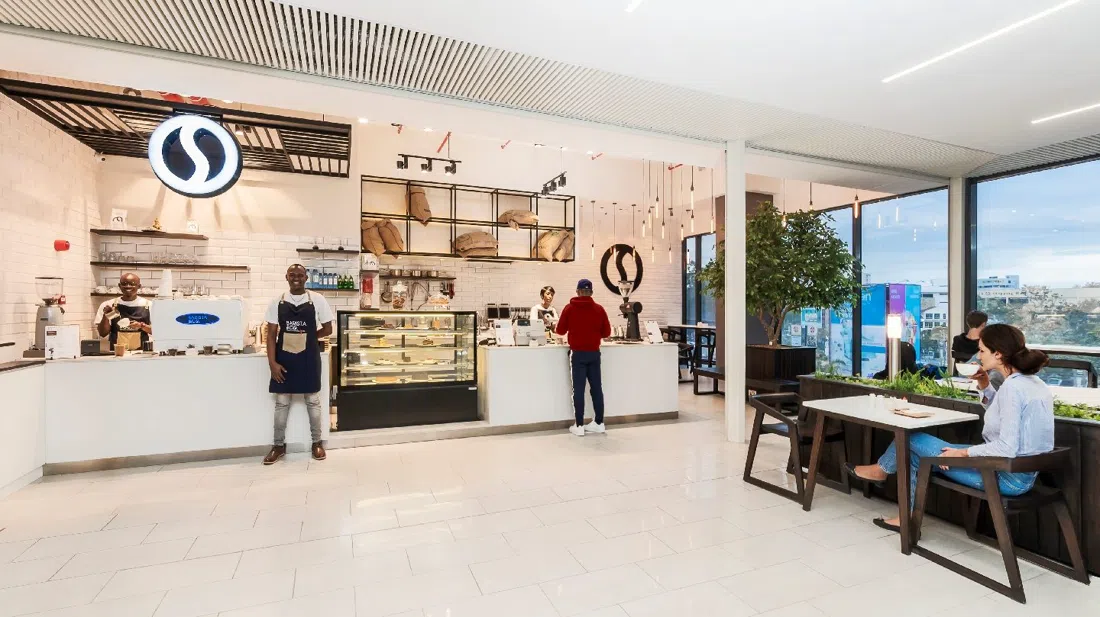
Hands-On: Cupping and the Pour-Over Lesson
Two stops on this trail are built for people who want to understand what they're drinking, not just drink it.
Coffee Lab Nairobi (Kilimani) is a physicist-turned-roaster's award-winning micro-roastery and cupping lab, and it's the best hands-on stop on the entire route. Book ahead for a group cupping session (KES 400–800 for coffee, cupping extra) and you'll be slurping spoonfuls of the same lots that crossed the exchange floor, scoring them for acidity and body the way the graders do professionally. It's a small, focused room — go with genuine interest rather than as a passing photo stop, and the person running the session will give you far more than a standard café visit ever could.
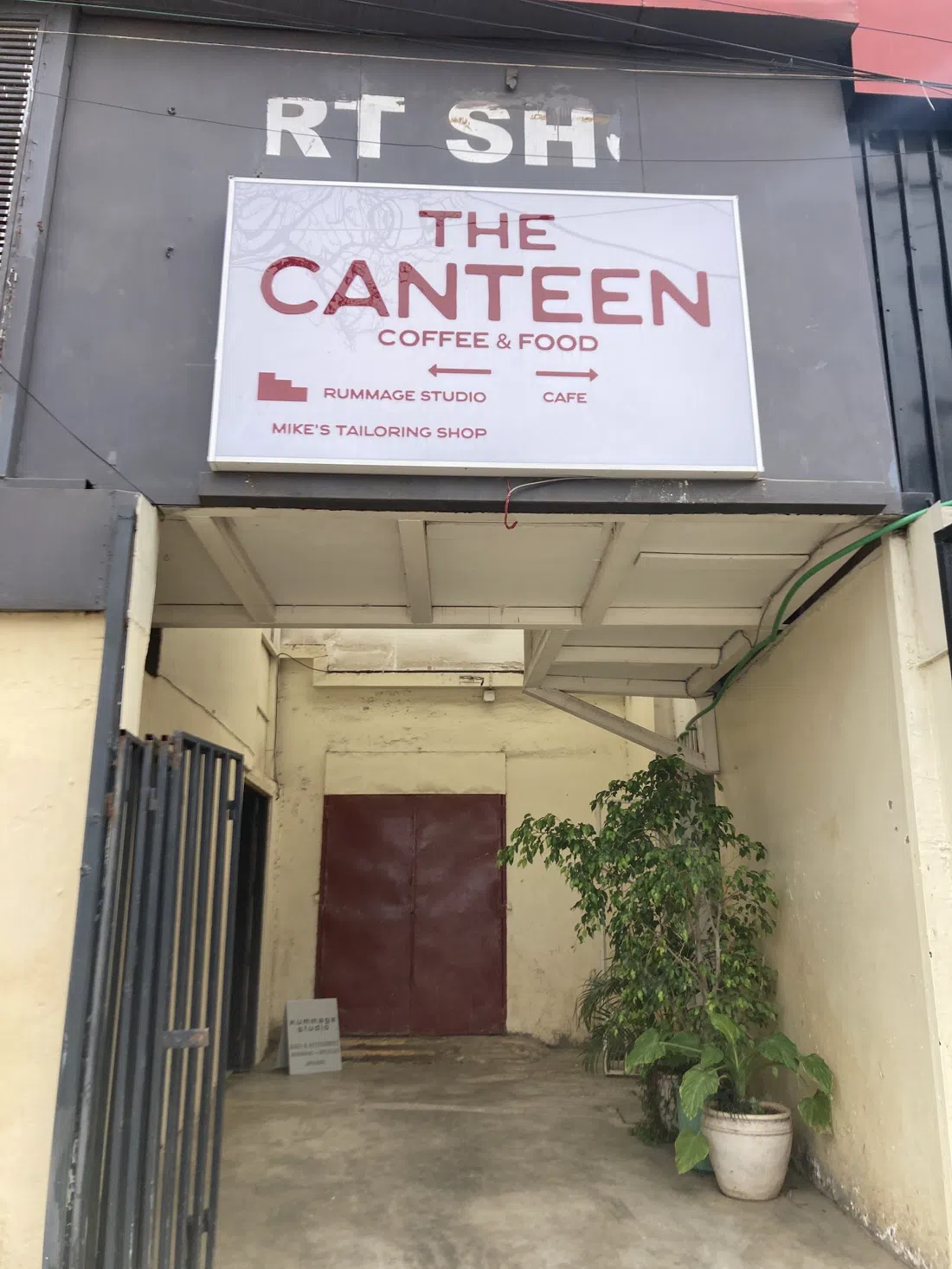
The Canteen (Westlands) does the complementary job on pour-over: this is the trail's best V60 education stop, spacious and casual enough for a group, where staff actually walk you through the process properly rather than just handing you a cup — bloom, pour rate, why the grind changes the result. Coffee runs KES 400–800; if anyone's hungry, the steak sandwiches start around KES 1,200 and the room is relaxed enough to make a full lunch of it rather than a quick stop.
The Quiet Rooms
Not every stop on this trail wants a crowd, and it's worth saying plainly which ones don't.
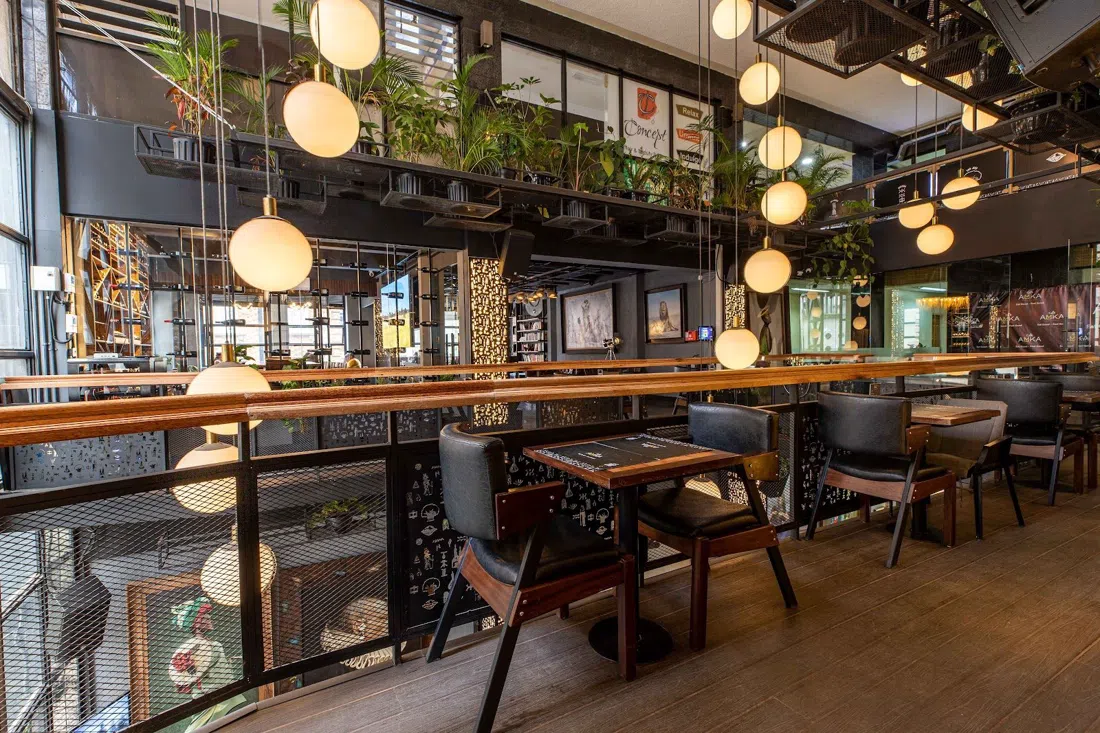
Café AMKA (Riverside) is the most photogenic room on the route — laser-cut African motifs across industrial concrete columns, a design-forward space that photographs beautifully and drinks well too, KES 500–900. It's a quiet, welcoming space that suits a couple or a small group of three or four rather than anyone trying to fill six tables; go for the atmosphere and stay because the espresso holds up.
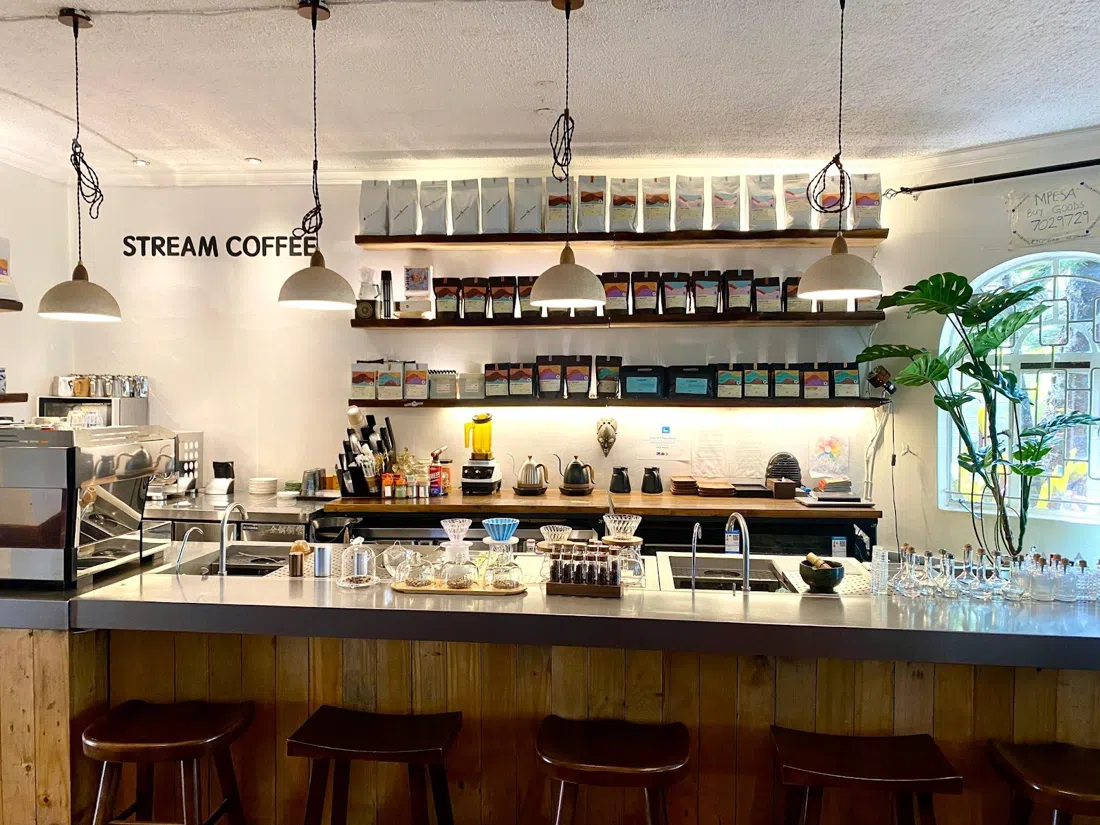
Stream Coffee (Kilimani) is smaller again — a compact neighbourhood room better suited to pairs than groups, KES 350–600. It doesn't try to be a destination; it's low-key in a way that Nairobi's baristas themselves keep naming as one of the city's most-loved specialty rooms, which tells you more than any fit-out would. I've only managed two visits here myself, on different roasts, and both times the batch brew was quietly better than it had any right to be for a room this unassuming — I'd want a third before calling it definitively, but it's earned a return trip.
Back to the Soil
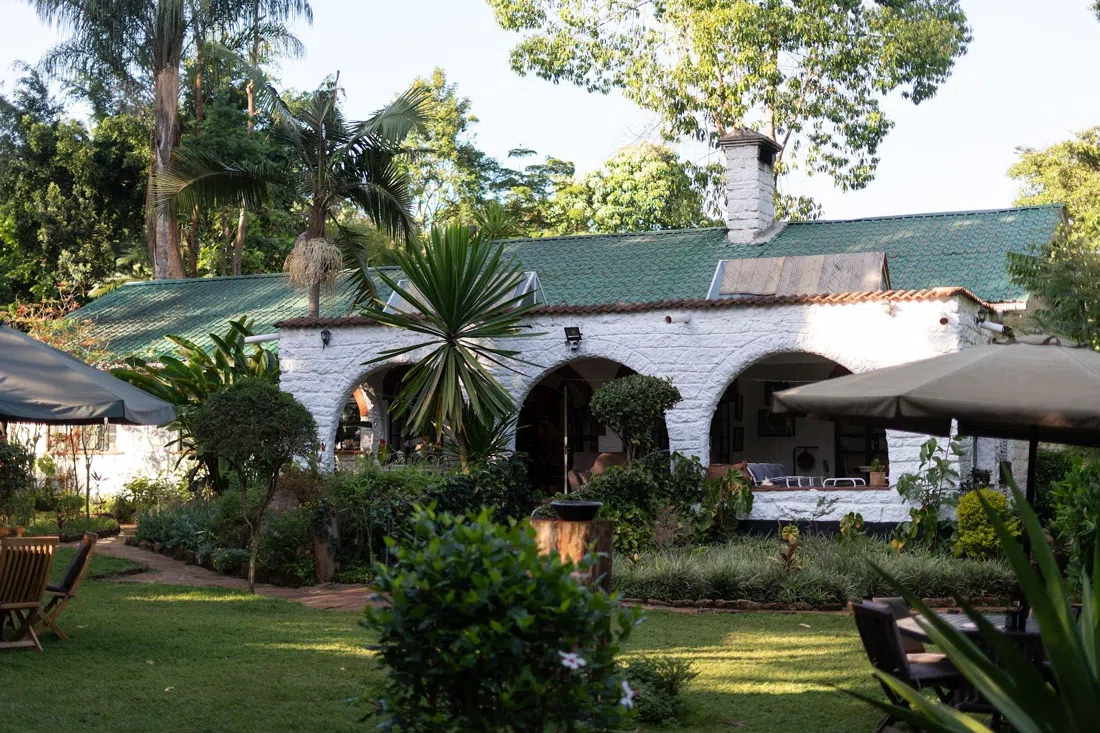
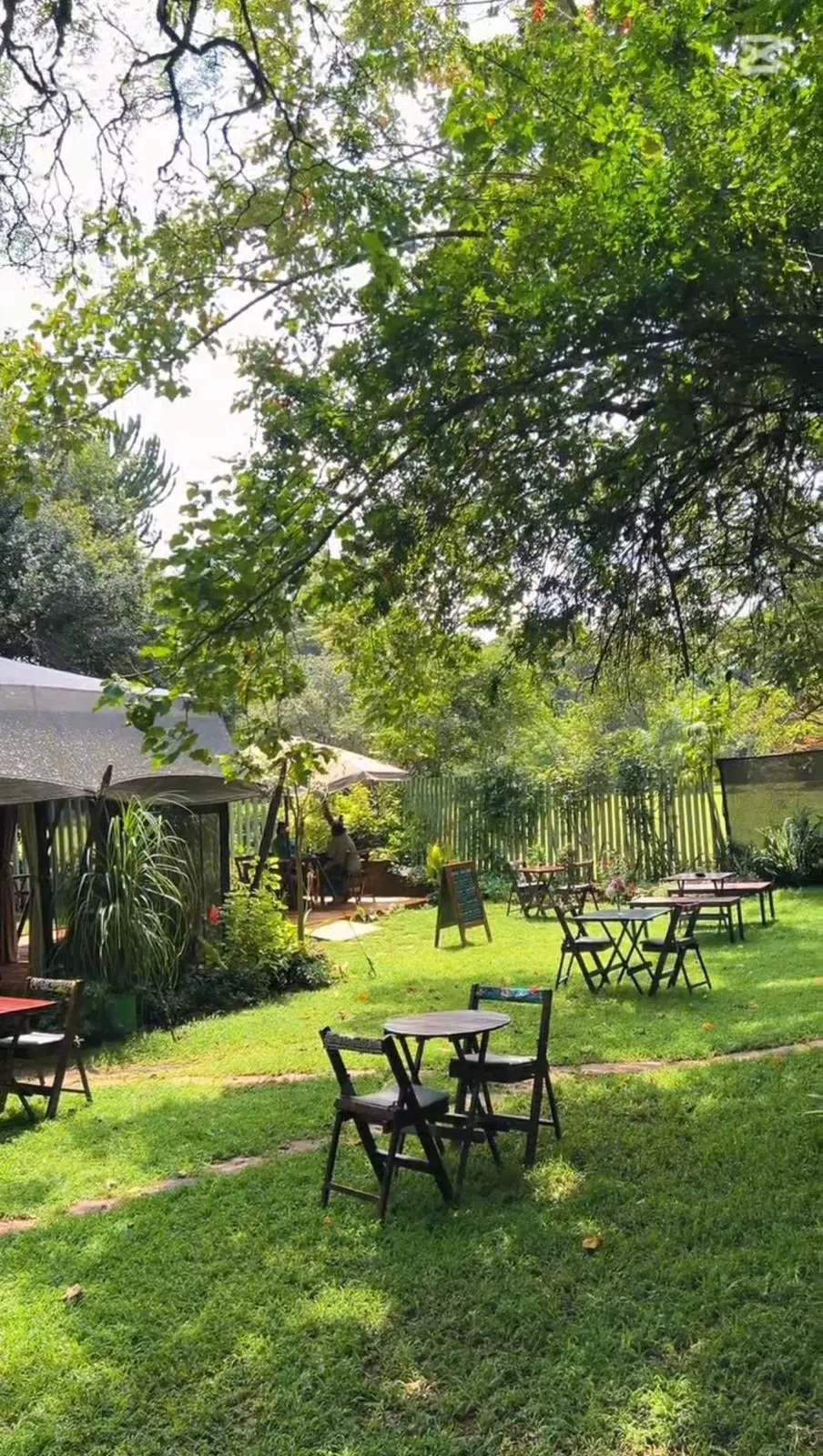
Pointzero Coffee (near the Nairobi National Museum) closes an important loop: a garden café built on the actual soil of a 1900s Nairobi coffee farm, so you're drinking specialty coffee on ground that was growing it a century before the third wave existed. The garden setting takes a group comfortably, KES 400–700, and it pairs naturally with a museum visit if you're already in that part of the city — plan an hour for coffee either side of the exhibits rather than treating it as a separate outing.
The Forest Finale
End the trail at The River Café, Karura Forest, which is built for exactly this — a big-group finale where the seated catering runs from 25 up to 150 and standing events go as high as 450, so whether you're four people or a bus tour, there's room. Coffee and light bites run KES 800–1,800 for the fuller menu, noticeably higher than anywhere else on this list, but you're paying for the setting as much as the cup: a forest café you reach on foot, ideally paired with the colobus-monkey walk or the waterfall trail so the coffee break becomes a hike with a reward at the end rather than just another café stop. It's the right note to end on — the trail started on a trading floor under fluorescent light and finishes under actual trees.
Before you plan the days between those two ends, it's worth reading a broader Nairobi guide for context on where these neighbourhoods sit relative to each other and what else is worth folding into the itinerary.
Planning the Trail: Transport, Cash, Timing, Budget
Transport. Westlands, Kilimani, Spring Valley and Riverside are all a short taxi or ride-hailing trip from each other — budget 15–25 minutes between most stops depending on traffic, which in Nairobi can swing that number considerably at rush hour. Karura Forest and Pointzero sit further out and are worth building into a half-day rather than squeezing between two other stops. Don't attempt this trail on foot between neighbourhoods; use ride-hailing apps and confirm the driver knows the specific mall or building, since several of these cafés sit inside larger complexes.
Cash and cards. Most of these cafés take cards and mobile money (M-Pesa) without issue; carry some cash for the Nairobi Coffee Exchange arrangement and for Karura Forest's park entry, where card machines aren't always reliable.
Timing. The Nairobi Coffee Exchange only makes sense within working hours and only by prior arrangement — build your visit around their confirmed slot, not the other way round. Most cafés open by 7–8am and the Westlands cluster gets genuinely busy from mid-morning through lunch; if you want quiet cupping time at Coffee Lab or a slow V60 lesson at The Canteen, go early. Karura Forest closes its gates in the evening, so plan The River Café as an afternoon finale, not a nightcap.
Budget. A full day hitting four or five cafés on this list runs roughly KES 2,000–4,000 per person in coffee and light snacks, before The River Café's fuller menu or the steak sandwiches at The Canteen. It's a genuinely affordable trail by international specialty-coffee standards — the expense is time, not money.
If you're building a longer stay around this trail, start your Nairobi hotel search around Westlands or Kilimani — both put you within a short ride of most of this list, with Karura Forest and the Coffee Exchange as the two outliers worth planning specific mornings for.