The Nairobi issue
Buying Kenyan-Made Souvenirs at Nairobi's Maasai Market
The Maasai Market moves around Nairobi by the day of the week. This is where it lands, what a shuka and a soapstone bowl should really cost, and which workshops are worth the drive when you have no haggling left in you.

By Inês CarvalhoEating Nairobi from nyama choma pits to Eastleigh cafés

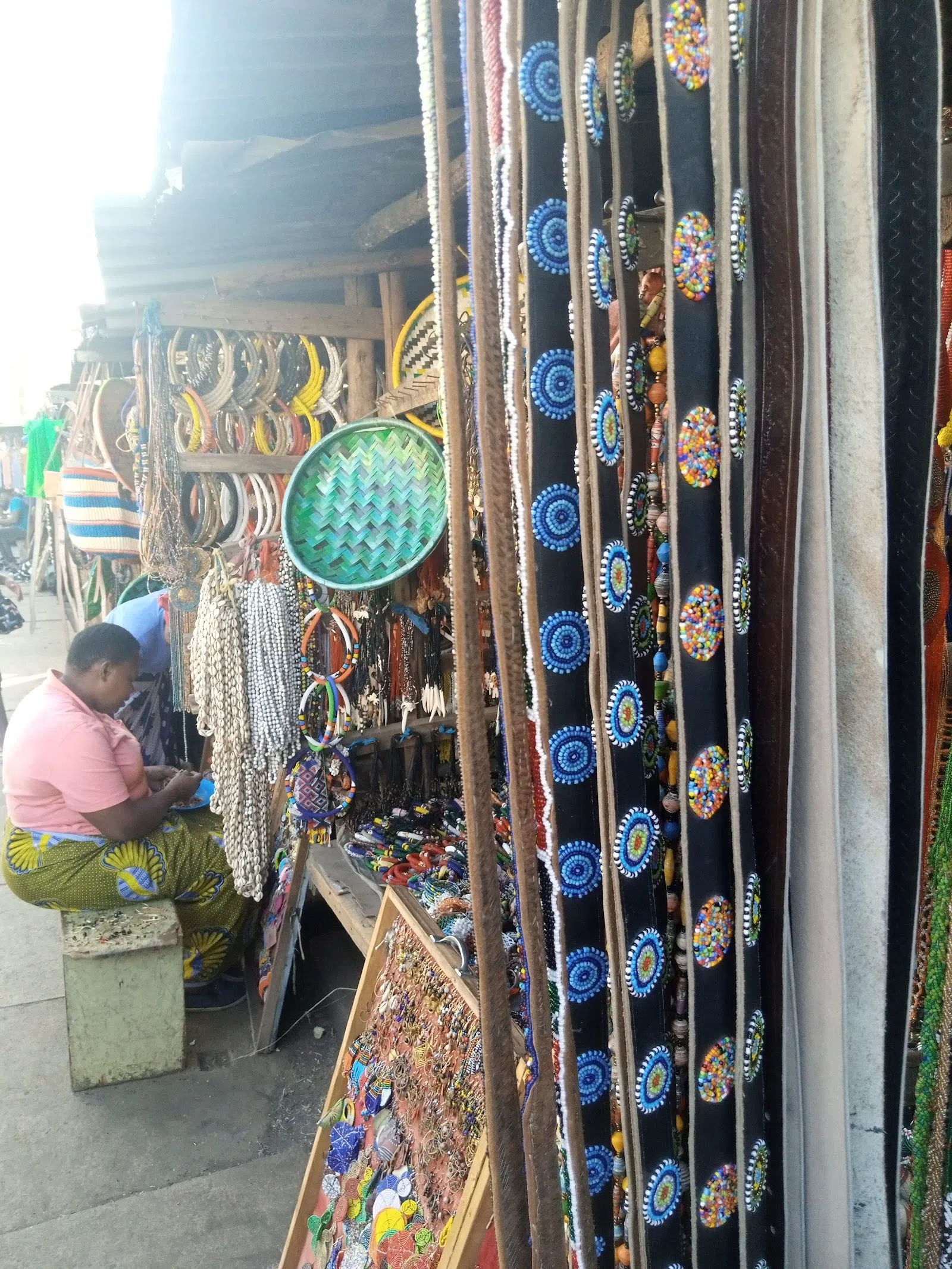
A Maasai Market stall unpacks in about ten minutes: a tarpaulin down on hot tarmac, then the shukas in their red and blue checks, then soapstone bowls still chalky from the lathe, then beadwork laid out in rows by colour like a paint chart. The market has no permanent address. It moves around the city by the day of the week, so the first thing to learn is not how to haggle but where it will be on the morning you are actually free. I have shopped four of its editions on separate trips, and they are not one market wearing different clothes.
Four editions, four days, one circuit
Entry is free at every edition, nobody works a door policy, and nobody minds a camera. What changes is the size of the spread, how hard the selling is, and where the opening ask starts.
Maasai Market at Village Market (Friday, Gigiri) is the big one and the calm one. Roughly 400 artisans across the upper deck every Friday, aisles wide enough for a pushchair, and a car park where a driver can sit while you take an hour. If you get one shot at this and you have never done it before, take this one. Bracelets settle at KES 200 to 500, shukas KES 500 to 1,000, soapstone KES 500 to 3,000 once you have bargained. The catch is that the Friday is not sacred: some weeks it runs on a Wednesday too, so ask the mall or your hotel the day before rather than crossing town on faith.

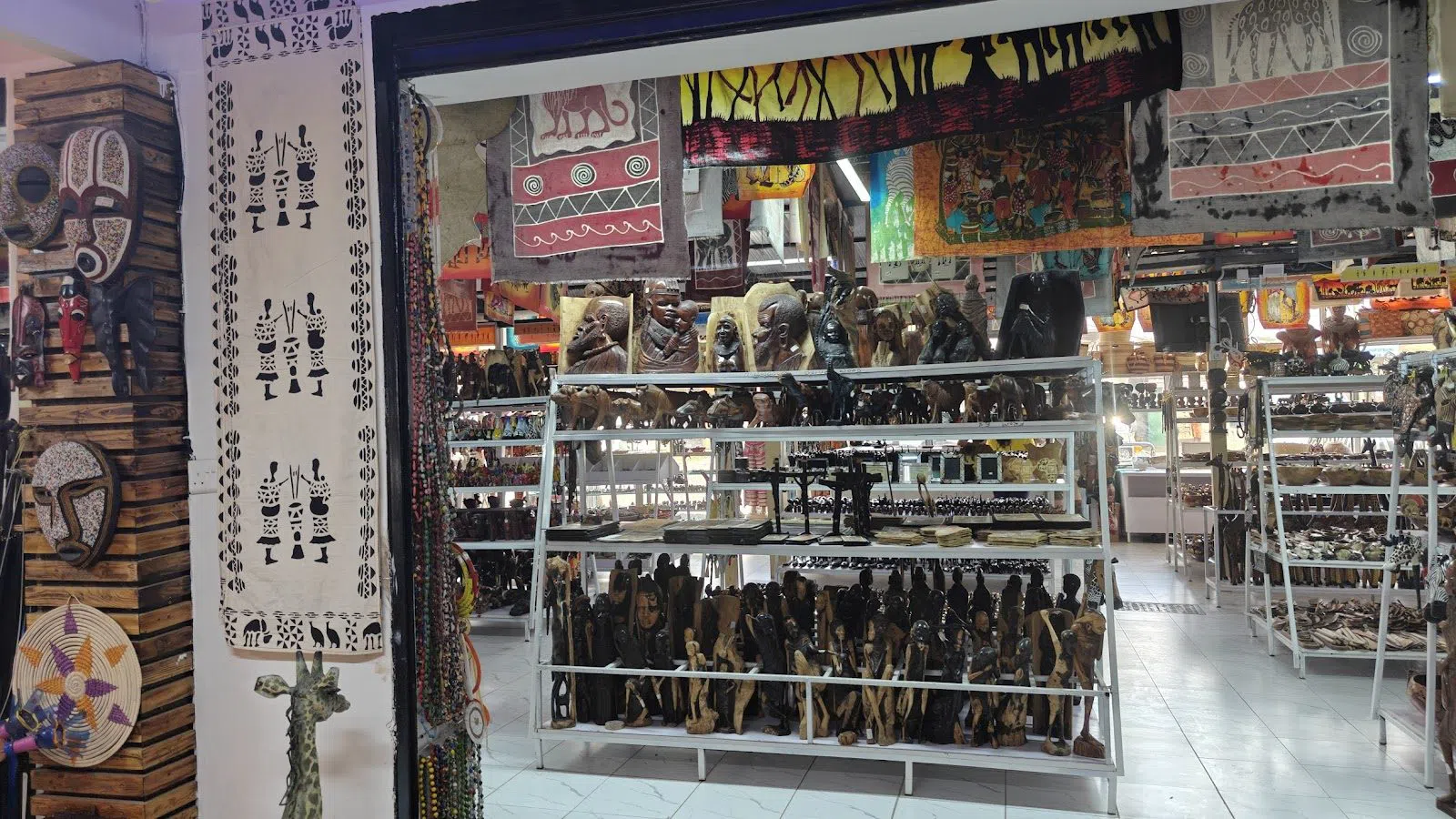
Maasai Market at Yaya Centre (Sunday, Kilimani) is the most civilised way to shop the circuit. The mall hosts it openly on the second-floor parking deck, 9am to 5pm, which means a roof if the afternoon rain arrives, cafés and clean toilets a lift ride away, and a footprint small enough to finish in an hour before lunch. Typical stall goods run KES 300 to 3,000 after haggling. For anyone staying in Kilimani or Hurlingham it is a ten-minute hop, and it handles a group without anyone getting separated.
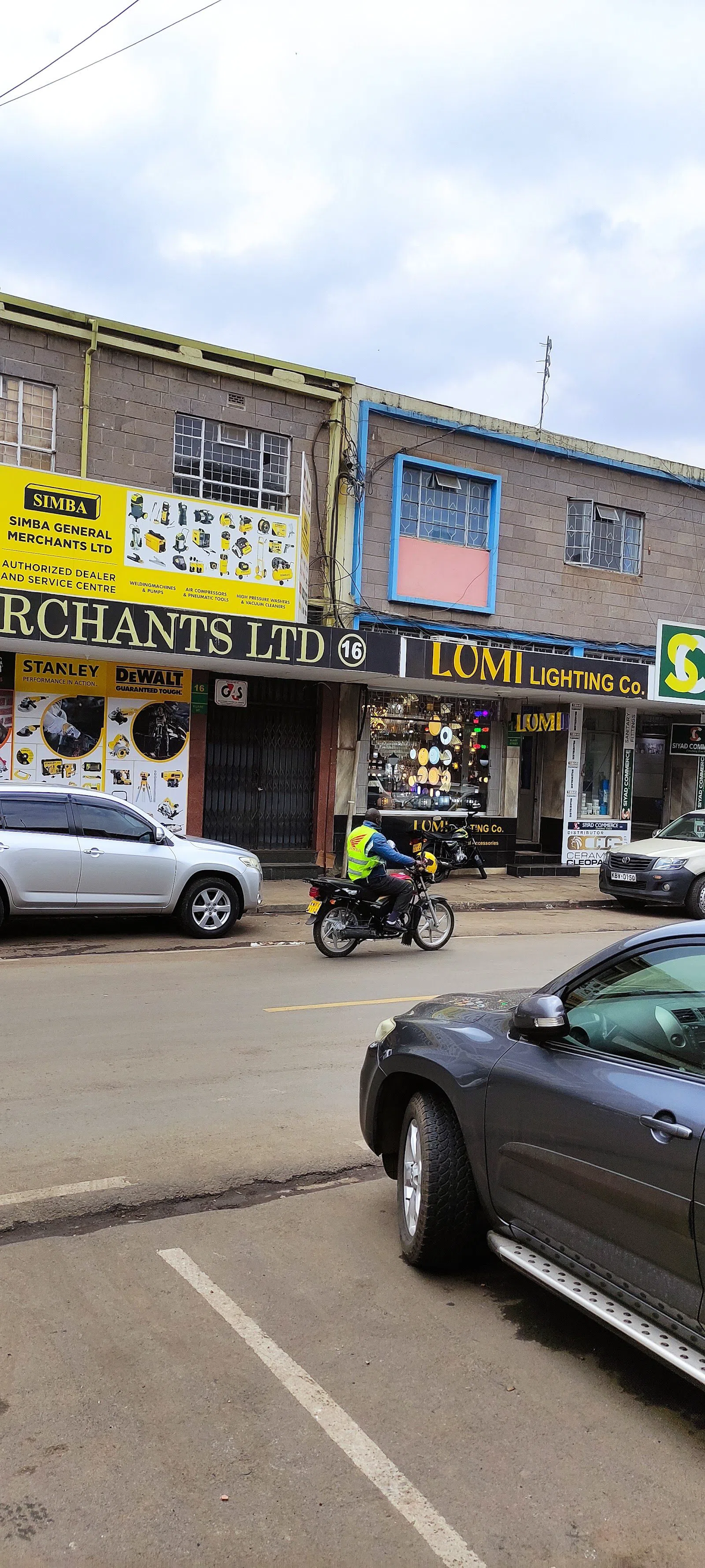
Maasai Market at the High Court car park (Saturday, CBD) is the original city-centre edition and still the largest spread of stock in one place. It is also the busiest and most crowded, and the one where the opening asks are highest. The craft bands are the same, KES 200 to 3,000, yet you will work harder for them. Aisles are tight, the selling is firm and physical, and a party of four will lose each other inside five minutes. Agree a meeting point before you go in, bring a driver or a guide, and keep bags zipped and closed against your front.
Maasai Market on Kijabe Street (Tuesday, northern edge of the CBD) is the mid-week filler. It is a roadside layout rather than a hall, smaller and quicker than the weekend editions, and it suits two people better than a coach party; there is nowhere for twelve of you to stand. Bracelets start at KES 200, carvings run KES 500 to 1,500 after bargaining. It moved here from Westgate, so it is the edition most worth confirming before you set out. A wasted taxi across town on a Tuesday is a bad way to spend a short stay.
One honest caveat about all four: you cannot judge a stall the way you judge a shop. The trader who sold me the best soapstone bowl I own was at the High Court on a Saturday and on the deck at Yaya the next morning, and the stall beside him on both days had the same carvings for double. Walk the whole floor once before you buy anything.
Plan your Nairobi trip
Live prices from our booking partners.
Free cancellation on many rooms. We may earn a commission when you book.
What things cost, and how the haggling really goes
The prices above are settle prices, not opening ones. First asks routinely land at two to four times what the piece goes for, and nobody is offended by that. It is the format, not a swindle, and it moves fast once you name a number and mean it. Pick the piece up, ask what it is made of, and let the answer guide you: soapstone is quarried and carved upcountry and should feel cool, dense and slightly greasy, with tool marks you can read on the base; a proper shuka is heavy cotton with a woven check that matches on both faces, not a printed one. Bone and horn should have grain in them. If a carving is suspiciously light for its size, it is soft wood stained dark.
Buy in bundles rather than singles (six bracelets in one negotiation beats six negotiations) and carry small notes. Turning up with a KES 1,000 note for a KES 300 bracelet hands the trader the round-number problem, and you will lose the change war every time.
Watch it being made before you buy it
Kazuri Beads Women's Cooperative (Karen) is the rare souvenir stop where you see the thing exist before it is sold to you: clay rolled into beads by hand, fired, painted one at a time, then strung. It was founded in 1975 to give single mothers work, and it still runs on that. Tours are free and guided, Monday to Saturday, roughly 8.30am to 5.30 or 6pm. Small parties need no booking; larger groups should ring ahead. Necklaces and pottery run KES 1,500 to 12,000 (roughly $10 to $100), prices are fixed, and cards are accepted, so you need no bargaining stamina.
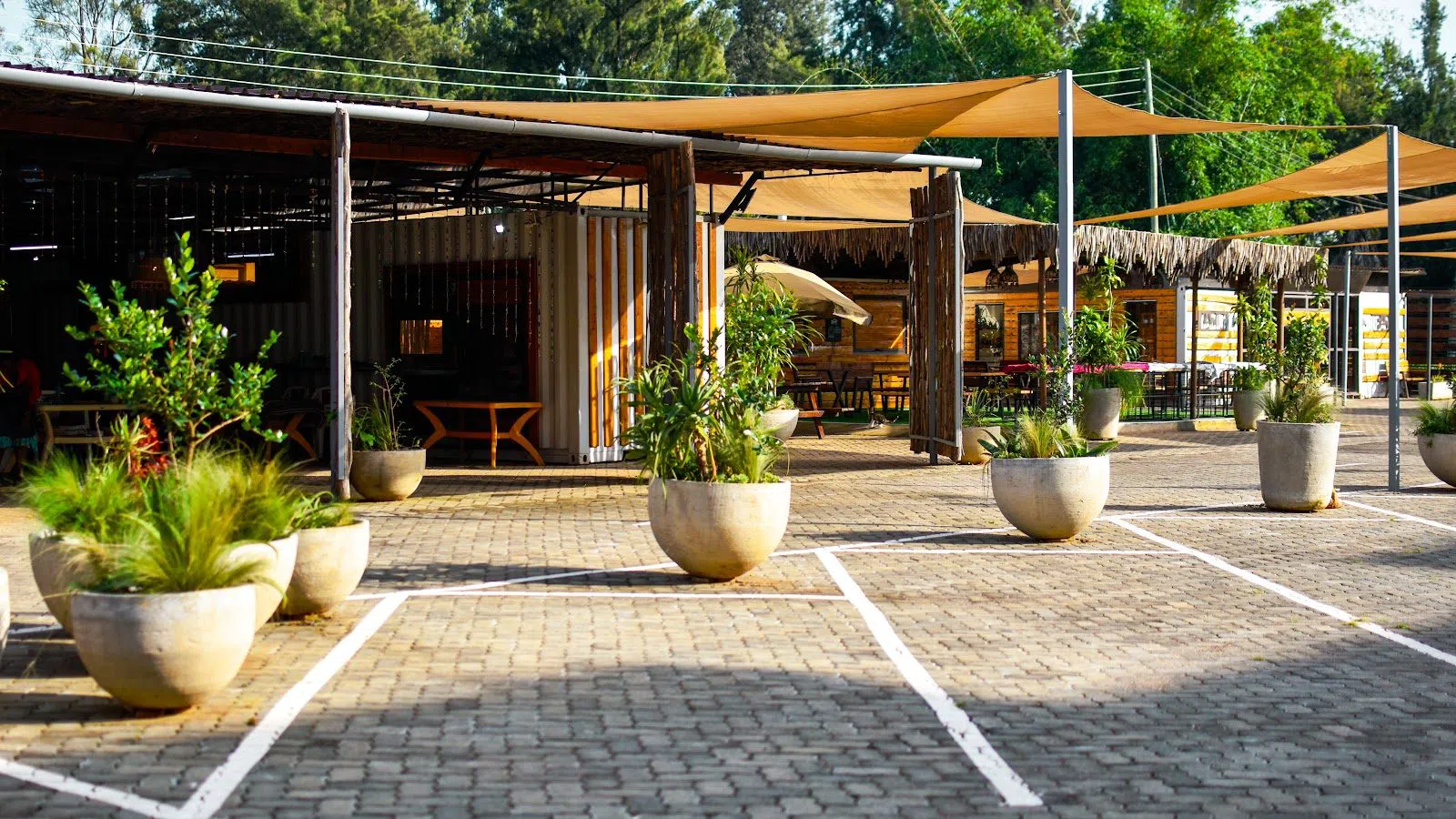

Kitengela Hot Glass (an hour out of town) is Anselm Croze's studio, where discarded bottles come back as tumblers, beads and blown pieces you can genuinely get home. Glassblowing runs Tuesday to Saturday, 8am to 4.30pm, with shorter hours on Sunday and Monday. The site is open daily, but call ahead so the furnace is actually lit when you arrive. There is a small entry or tour fee. Tumblers and beads start at a few hundred shillings, larger blown work from KES 3,000. The site itself (mosaic bridges, a small café) justifies the drive, and it takes tour parties happily. If you cannot spare the half day, there is a smaller shop at Village Market.

Ocean Sole (Karen) turns flip-flop waste collected off the beaches into carved animals, worked by around twenty artisans with rasps and knives until the rubber layers read like sediment. Tours run daily and must be booked by WhatsApp or email, and the place is explicitly set up for groups, schools and corporate visits, with hands-on beading and carving. There is a per-person tour fee. Keyrings and small animals start around KES 1,000 and large sculptures climb into the tens of thousands. The small pieces pack flat, which matters if you are flying with hand luggage only.
Karen Village Art Centre (Karen) is where you buy straight from the maker, and where you can make the thing yourself if you have half a day. It is open daily, free to browse, with artwork and craft from KES 1,500 up to five figures. Adult and school group tours run alongside hands-on workshops (block printing, candle making, 3D glass, resin), all booked in advance and priced per head. This is the answer for anyone who wants a souvenir with a story attached rather than another carved hippo.
Fixed prices for when the haggling is done
Some days you have no negotiation left in you. These four charge more than the market and are worth it on exactly those days.
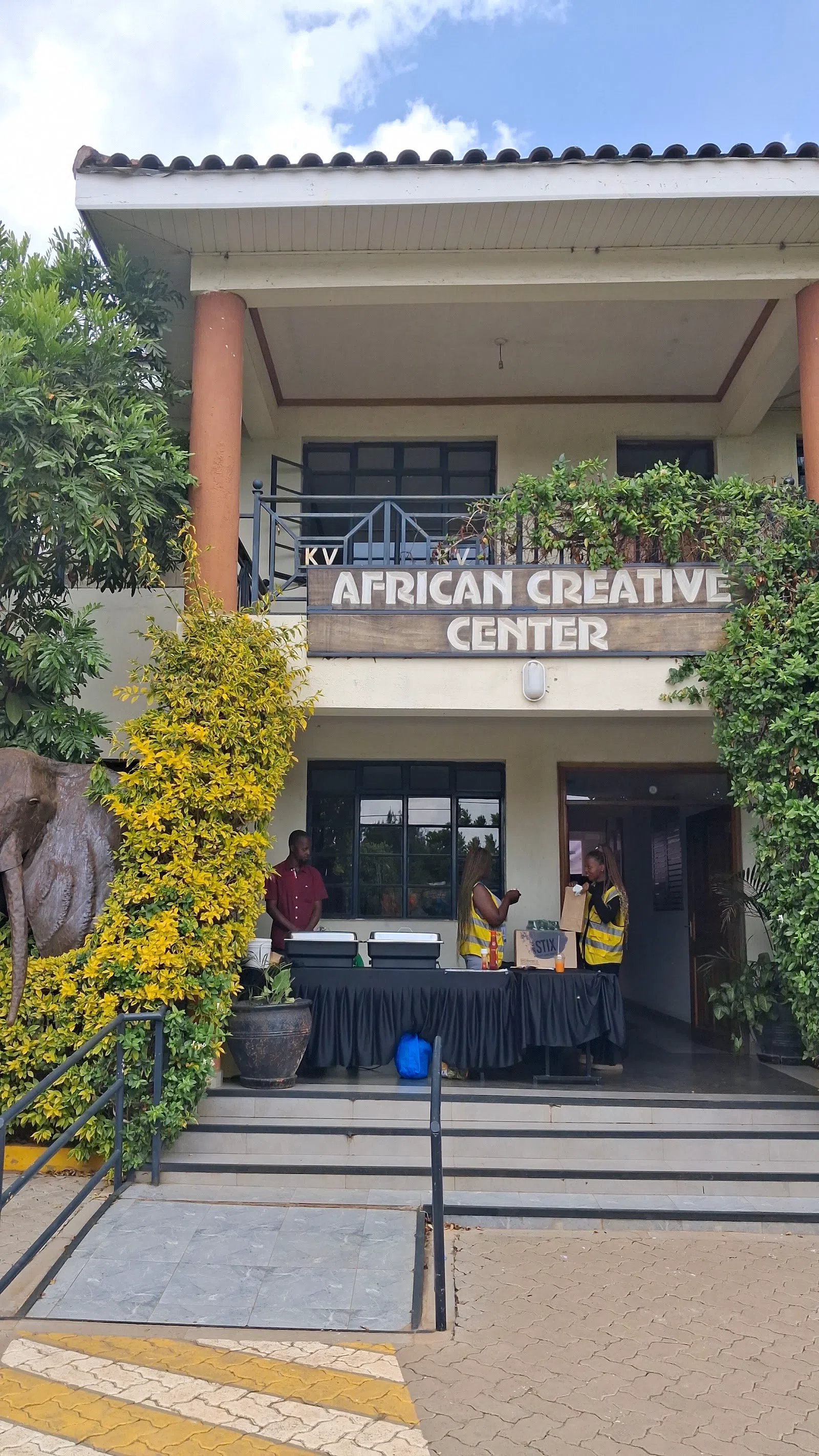
Utamaduni Craft Centre (Langata) is eighteen shops of soapstone, kikoys, leather and baskets under one roof, open daily around 9 or 10am to 6pm, free to enter, with a garden café for the sit-down that makes it family-viable. Prices are fixed and no bargaining is expected: kiondos KES 2,000 to 6,000, soapstone and jewellery from KES 500. Dearer than the market, plainly. You are paying for calm and for staff who will pack and ship, and for some travellers that is the right trade.
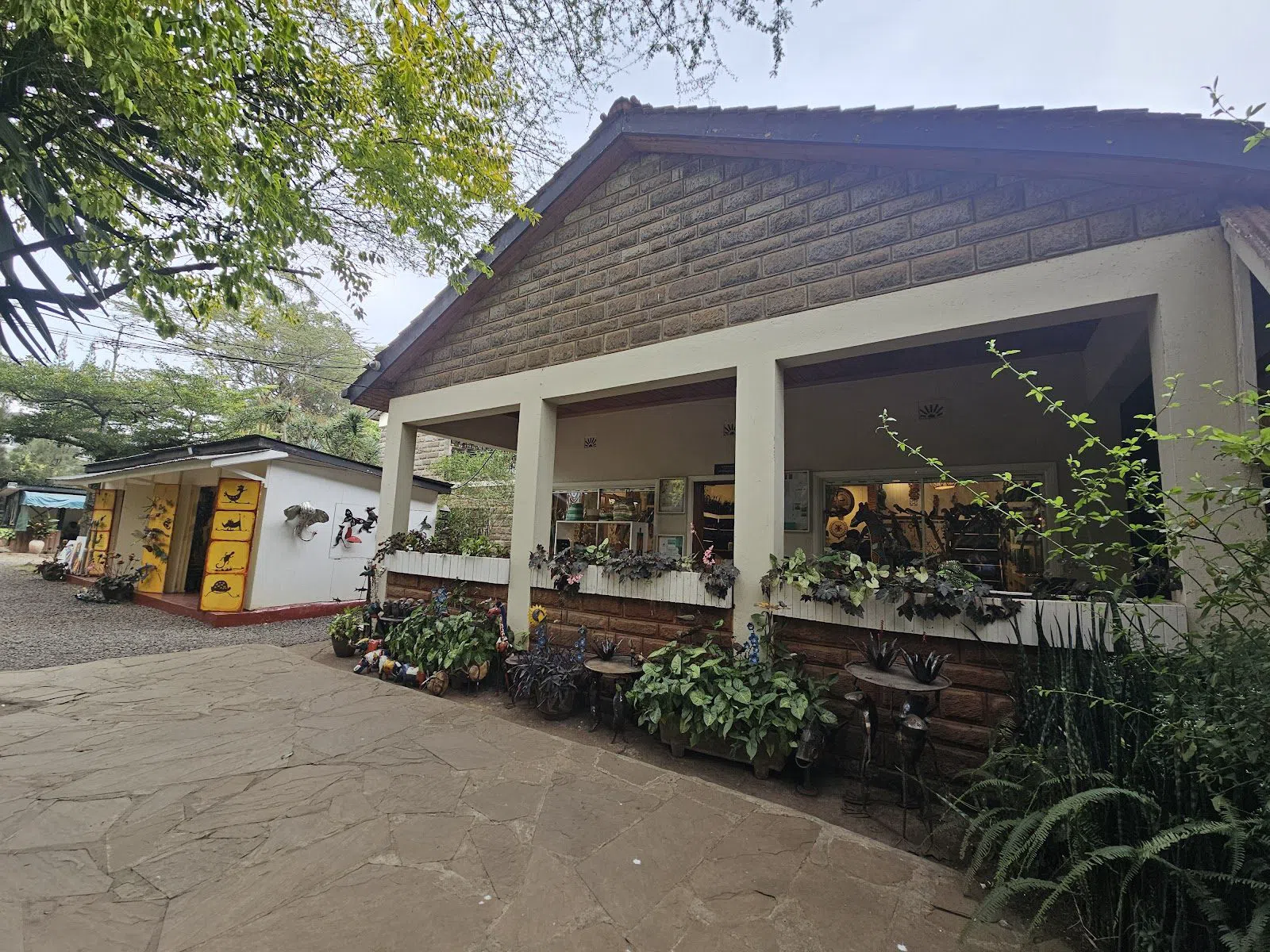
Spinners Web Kenya (Peponi Road, west of Westlands) sells on consignment for hundreds of artisans and small weaving groups across the country, which is why the range beats anything a single stall can hold. It is the best place in the city for baskets and hand-woven textiles: baskets KES 1,500 to 8,000, textiles KES 2,000 to 10,000, prices fixed. Tuesday to Sunday, 9.30am to 5.30pm, closed Mondays, and that closure catches people out. Parking on site and a café for groups.
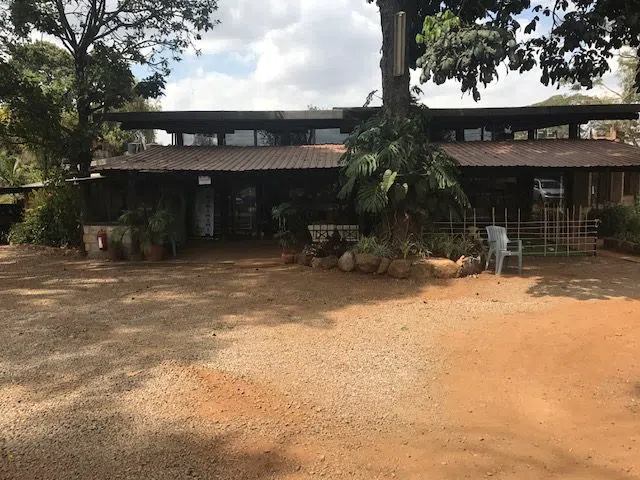
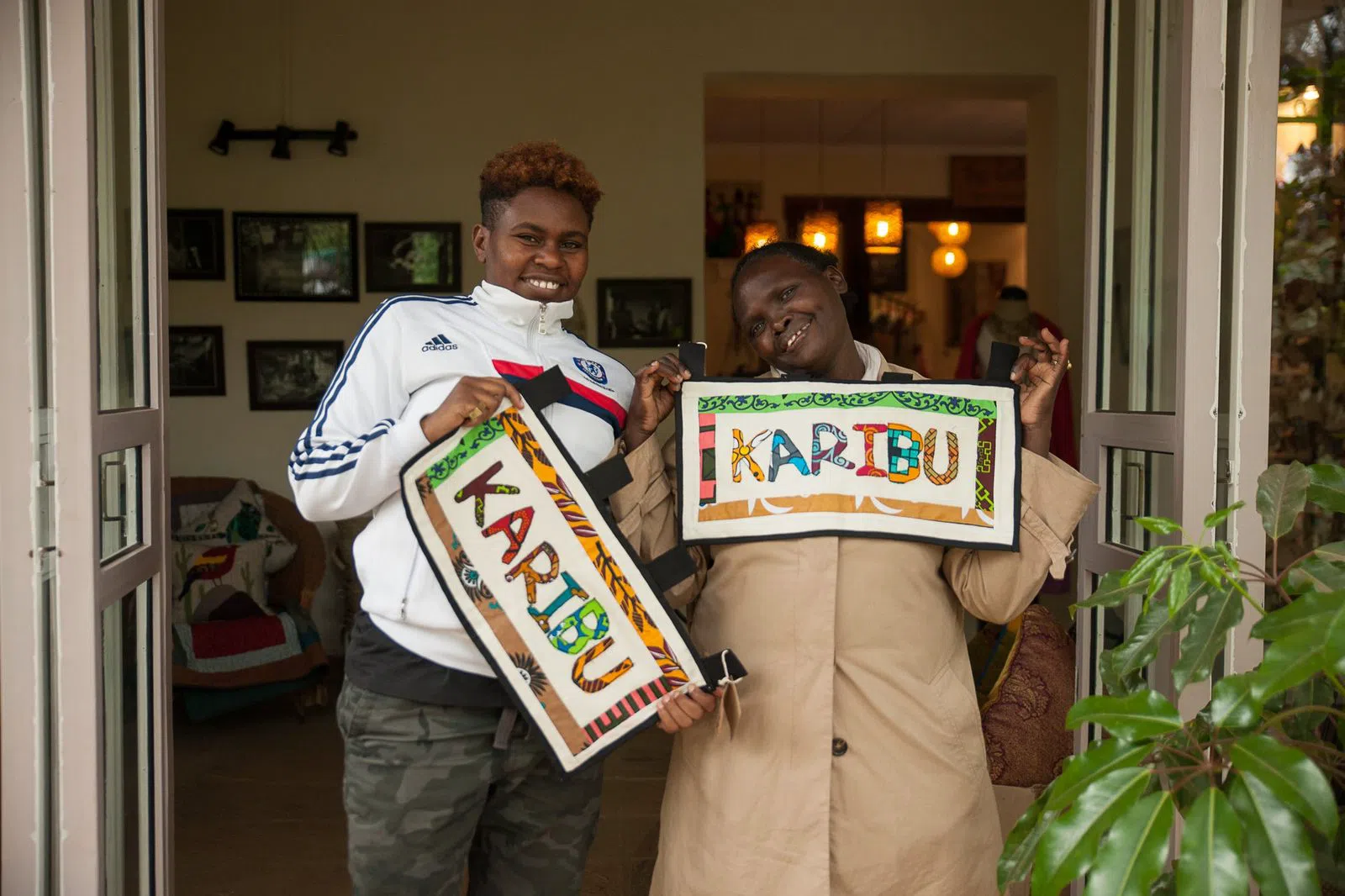
Amani ya Juu (Westlands side) has over a hundred women from across the region, many of them refugees, sewing for a guaranteed wage. The bags, quilts and cushion covers are properly made, seams finished, linings that will survive a washing machine, at roughly KES 1,000 to 8,000. Shop hours are Monday to Saturday, 8.30am to 6.30pm, with the café open Tuesday to Saturday until 7.30pm. Visitors and groups are welcome; email ahead if you want to see the workshop rather than just the rail. The garden café is a good place to regroup after a market morning.
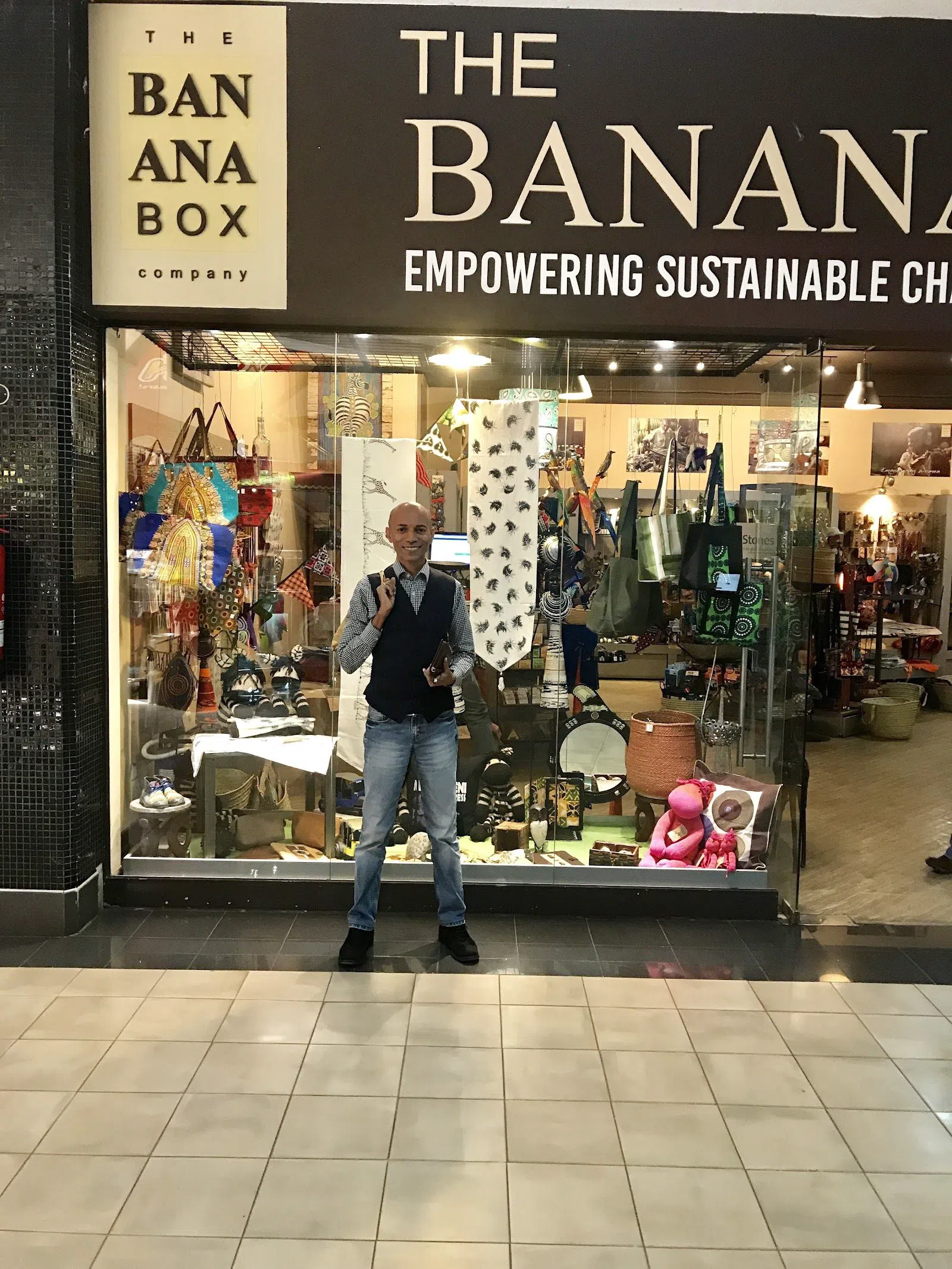
The Banana Box (Sarit Centre, Westlands) has traded since 1991 and pays its suppliers on delivery rather than consignment, which is why around fifty artisans bring fresh stock in each week. It keeps mall hours seven days a week, needs no booking, and ships worldwide. Small gifts start at KES 300, soapstone and carvings run KES 800 to 5,000. It is a shop rather than a hall, so a group should browse in shifts. If you are short of time or short of luggage, this is the practical stop.
Where the baskets and sandals are actually made
Kariokor Market (Kariokor, just beyond the CBD) is where the kiondos are woven and the akala sandals are cut from old tyres, in rubber dust and sisal and the smell of hot glue, at prices the tourist markets cannot touch. Tyre sandals KES 500 to 1,500, kiondos KES 800 to 3,000, belts and bags from KES 500, open daily roughly 8am to 6pm, free. It is a working local market rather than a visitor attraction: loud, muddy underfoot after rain, and not signposted for anyone who does not already know it. Go early, go with a local or a guide, keep your phone in a zipped pocket, and do not bring a wheeled suitcase to fill.
One serious thing instead of a bagful

Adèle Dejak (a compact boutique in town; the pieces are made by hand at the studio outside it) works recycled brass, horn and bone into sculptural jewellery: earrings from around KES 5,000, statement cuffs and collars from KES 15,000. Open Monday to Saturday 9am to 7pm, Sunday and holidays 10am to 5pm. The room is small, so two or three of you at a time, not a coach party. This is what you buy when you want one Kenyan-made object that will still be worn in ten years.
Sandstorm Kenya — Opportunity Factory (workshop and Made by Kenya shop on the same site) has made canvas-and-leather bags here since 1990, and the factory tour, arranged in advance for groups, ends in the shop, so you see whose hands stitched the thing you are about to buy. Small leather goods KES 3,000 to 8,000; weekend and safari bags from KES 15,000. Monday to Saturday, roughly 8am to 6pm. Prices are fixed and high, and the bags are the buy-it-for-life end of the souvenir spectrum. The shop also stocks other Kenyan makers, which makes it a decent single stop if you are choosing gifts for people with taste.

Cash, timing and getting between it all
Carry cash in small notes (KES 100, 200 and 500) for every market day. No stall takes cards. Mobile money is normal and many traders will take it, but the fixed-price shops are the only places where a foreign card is reliably fine; Kazuri, Utamaduni, Spinners Web, Amani ya Juu, The Banana Box, Adèle Dejak and Sandstorm all price openly and take payment properly.
Shop mornings. Nine to eleven is cooler, the aisles are still walkable and traders are fresher about prices; by mid-afternoon at the High Court you are negotiating in a crush. The Sunday deck at Yaya shuts at 5pm sharp. Ride-hailing works well across the city, and at Village Market and Utamaduni your driver can simply wait. Group the Karen and Langata stops into one afternoon, since Kazuri, Ocean Sole, Karen Village and Utamaduni sit close enough to do three of them in half a day, and give Kitengela Hot Glass its own outing.
On budget: KES 5,000 buys a real haul of small gifts at any market edition; KES 20,000 buys one considered piece from a named maker with a receipt. Soapstone is heavier than it looks, so weigh your bag before you commit to the big bowl, and ask for bubble wrap on anything glass or fired. Utamaduni and The Banana Box will both ship, which is the sane answer for anything that will not survive a duffel. If you are still choosing where to base yourself, Kilimani and Westlands put you within about fifteen minutes of most of this. Start with a Nairobi hotel search, and see the rest of the Nairobi guide for what to do with the days between market mornings.
Before you go
Which day is the Maasai Market on in Nairobi?
It moves through the week: Friday is the big Village Market edition in Gigiri, Saturday the High Court car park in the CBD, Sunday the Yaya Centre parking deck in Kilimani, Tuesday the roadside market on Kijabe Street. The Village Market edition sometimes runs on a Wednesday as well, and the Kijabe Street market has moved, so confirm the day before you cross town.
How much should I pay for a bracelet or a shuka?
After bargaining, expect KES 200 to 500 for a bracelet, KES 500 to 1,000 for a shuka and KES 500 to 3,000 for soapstone. Opening asks routinely run two to four times those figures. Starting prices are highest at the Saturday High Court market and lowest at Kariokor, where the goods are actually made.
Can I pay by card at the Maasai Market?
No. Bring cash in small notes (KES 100, 200 and 500), because no stall takes cards and change for a KES 1,000 note weakens your position. Traders do take mobile money. Fixed-price shops such as Kazuri Beads, Utamaduni Craft Centre and Sandstorm take cards normally.
Where can I buy Kenyan crafts without haggling?
Utamaduni Craft Centre in Langata, Spinners Web on Peponi Road, Amani ya Juu on the Westlands side and The Banana Box in Sarit Centre all sell at fixed prices, so there is nothing to haggle over. Kazuri Beads and Kitengela Hot Glass are fixed price too, and at both you can watch the work being made before you buy.
Is the Maasai Market safe, and does it suit a group?
Entry is free everywhere and there is no door policy. The Friday Village Market edition and the Sunday Yaya deck handle groups and families easily, with parking, cafés and toilets. The Saturday High Court market is crowded and its aisles are tight, so agree a meeting point, keep bags zipped and bring a driver or guide. Kariokor Market is a working local market: go early, go with someone who knows it, and keep valuables out of sight.