The Nairobi issue
How to Do the Limuru Tea Farm Day Trip From Nairobi
The tea farms above Nairobi run three- and four-day weeks and take no walk-ins, so the day has to be built in advance: bookings, lunch, prices and the ride home.

By Lukas BrandtNairobi neighbourhood by neighbourhood, on foot and by matatu
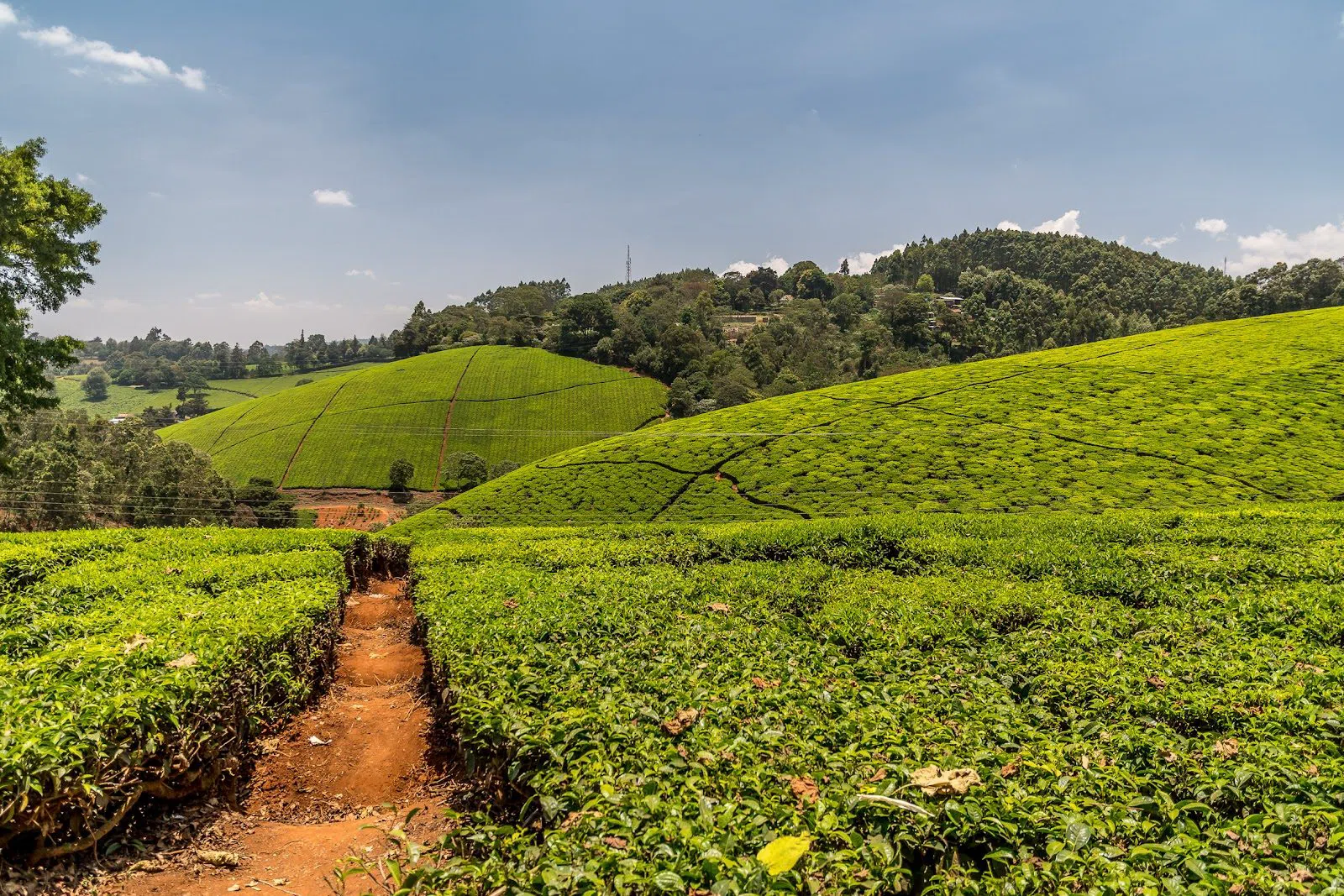
The tea starts before the signposts do. Half an hour northwest out of the city the verges change over from dust and roadside stalls to eucalyptus, the air cools enough that you notice it through an open window, and then both sides of the road become the same waist-high green hedge, clipped flat, running away over the ridges. Limuru has been growing tea commercially for more than a century, and the useful part of that for a visitor is that the farms which take guests are still working farms, hosted by families who have been on the land long enough to explain what you are looking at without reaching for a script.
This is the easiest full day out of the city that does not involve a park gate or a light aircraft. It has one constraint sitting at the centre of it, so settle this before you plan anything else: the two tea farms and the best lunch table in the hills all run three- or four-day weeks, and none of them take walk-ins. Get the day of the week right and the rest of the trip assembles itself around it. For everything back in town, the Nairobi guide covers it.
The farm that sets the shape of the day
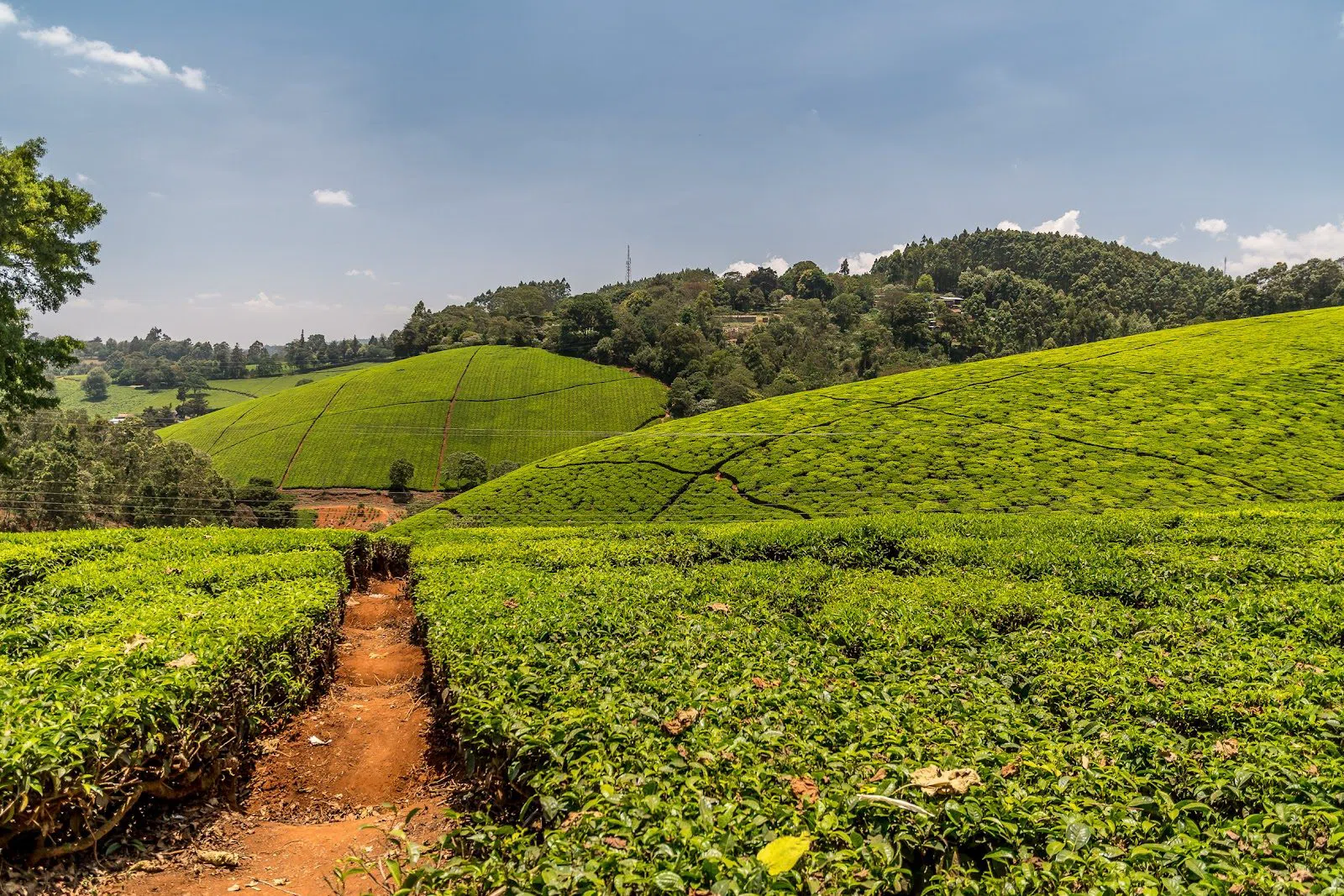
Kiambethu Tea Farm (Tigoni, in the hills above Limuru) is the oldest commercial tea farm in the country and the anchor of the whole trip. Fiona Vernon, the third generation of her family on the property, hosts personally, which is the difference between this and a plantation tour written by a marketing department. The morning is a talk and a walk through the tea explaining how a leaf becomes the thing in your cup, then the patch of indigenous forest the family kept rather than planted over, then lunch on the lawn with the Ngong Hills somewhere out in the haze if the cloud lifts.
The price from 1 January 2026 is KSh 4,900 per person, roughly US$38, and it covers everything: tour, forest walk, lunch. Under-12s are half price and under-4s go free, which makes it one of the better-value family days anywhere near the city.
Two rules to hold on to. First, it opens Thursday to Sunday only; Monday to Wednesday there is nobody to receive you, and driving out there anyway will not change that. Second, online booking closes at 6pm the night before. If you only decide over breakfast, phone rather than assume you have missed it, because same-morning space does turn up, particularly midweek in the Thursday-Friday half of the window.
And the transport line that matters more here than anywhere else in this article: getting a ride-hailing car to come and collect you from Limuru is frequently impossible. Drivers will happily take you out and then there is nothing to bring you back, and you will be standing on a lane in the cold at three in the afternoon working the phone. Arrange the return before you leave the city, either the same driver waiting or a car and driver hired for the whole day.
Plan your Nairobi trip
Live prices from our booking partners.
Free cancellation on many rooms. We may earn a commission when you book.
The other tea farm suits a group and punishes a couple
Karai Tea Estate (Limuru, meeting at Limuru Girls School) does something different. Guests plant and pick tea themselves rather than watching someone else do it, then walk out to waterfalls on the estate, then sit down to a farmhouse buffet. It is hands-on in a way the classic farm tour is not, and children who would fidget through an explanation of oxidation tend to take to it.
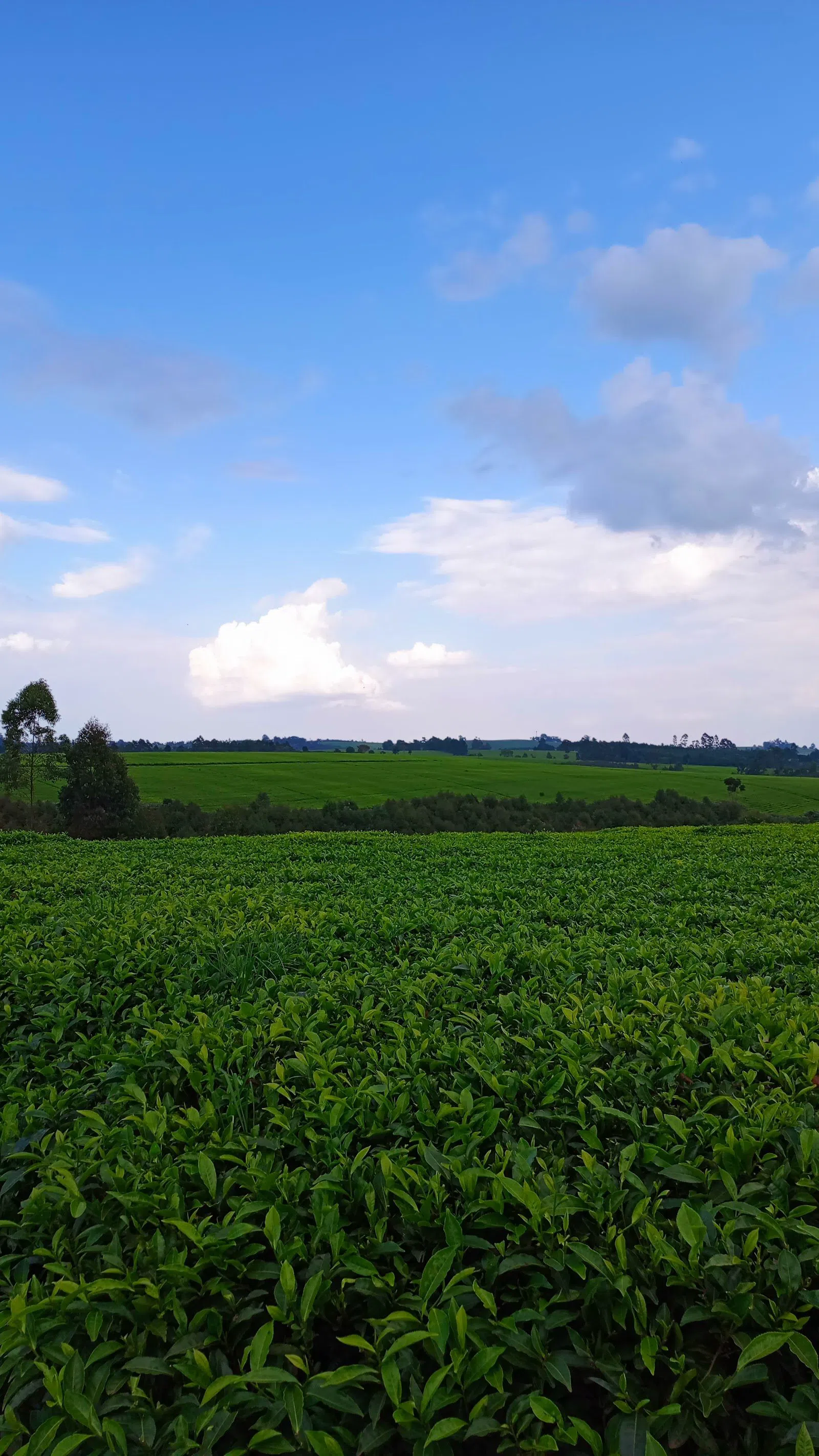
It is also built for groups and unapologetic about it: minimum six guests, 48 hours notice and prepayment, meeting at 10:30am at Limuru Girls School on Tuesday, Thursday or Saturday only. Reckon on roughly KSh 4,500 to 6,000 per person with lunch and confirm the figure direct, since it moves with group size and what you want included. If there are two of you, this is not your day unless you can find four more people. If there are eight of you, it is probably the better booking of the two farms.
Thursday and Saturday are the only two days on which both tea farms operate, which matters if you are deciding at short notice.
Lunch is the decision that structures everything else
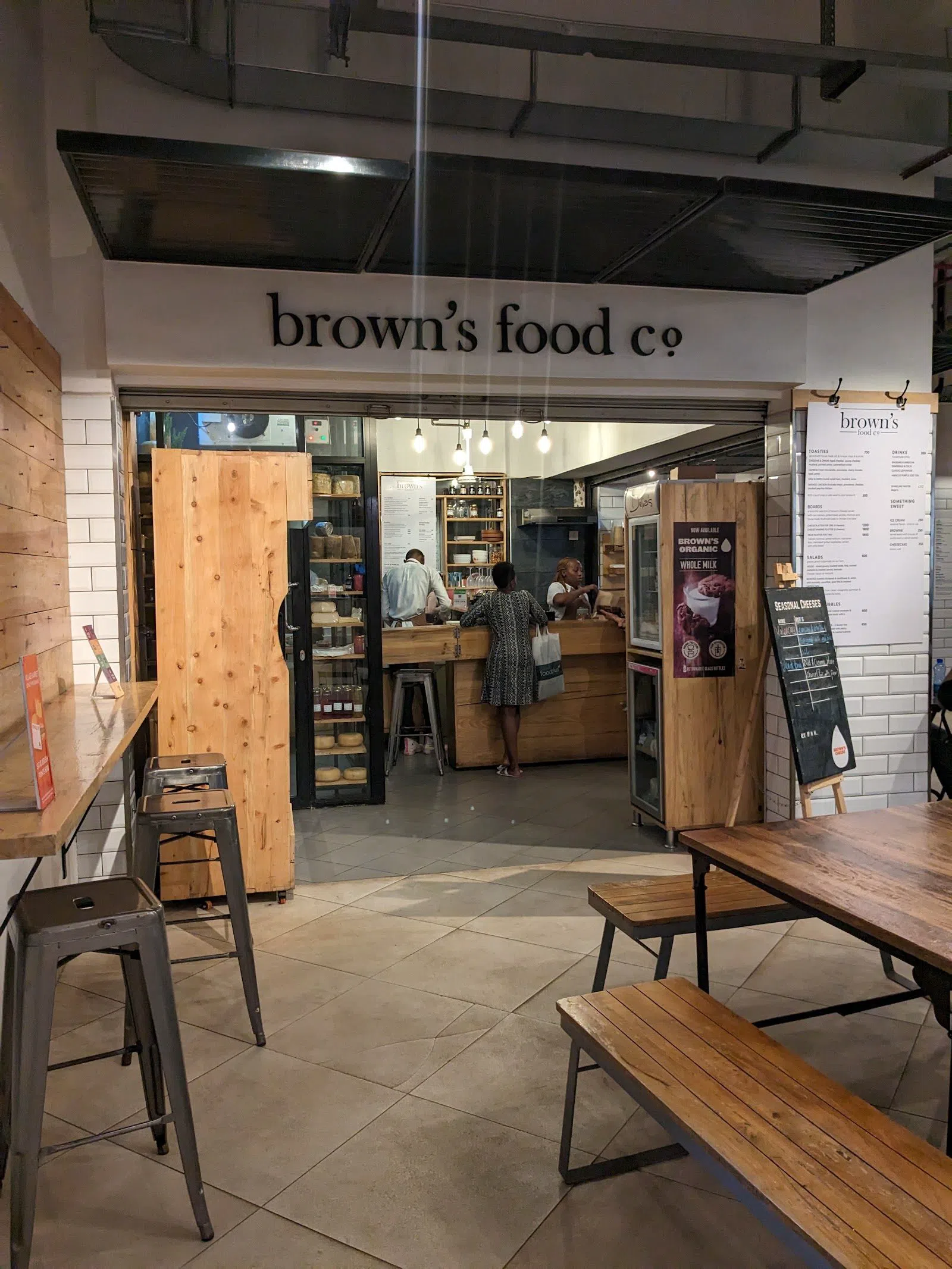
brown's food co. (Tigoni) is the single best lunch in these hills and the one booking people get wrong. It was Brown's Cheese for years and plenty of guidance still calls it that; the visit today is a full Living Food Campus tour taking in the bakery, the mill, the fermentation room and the seed bank as well as the dairy, and the table at the end is the point of the visit. Thursday, Friday and Saturday only, reservation essential, and Saturdays go about two weeks ahead for most of the year.
Pricing is KSh 5,000 for an adult without alcohol, KSh 2,500 from age 12, KSh 1,500 for ages five to eleven and free under five; private dining for a group runs KSh 7,500 per person. Both tea farms include lunch in their price, so pairing brown's with a farm tour means paying twice and eating twice. Pair it with a morning at a tea farm only if you have deliberately booked the farm as a morning-only visit, or better, make brown's the lunch anchor and hang a walk on either side of it.
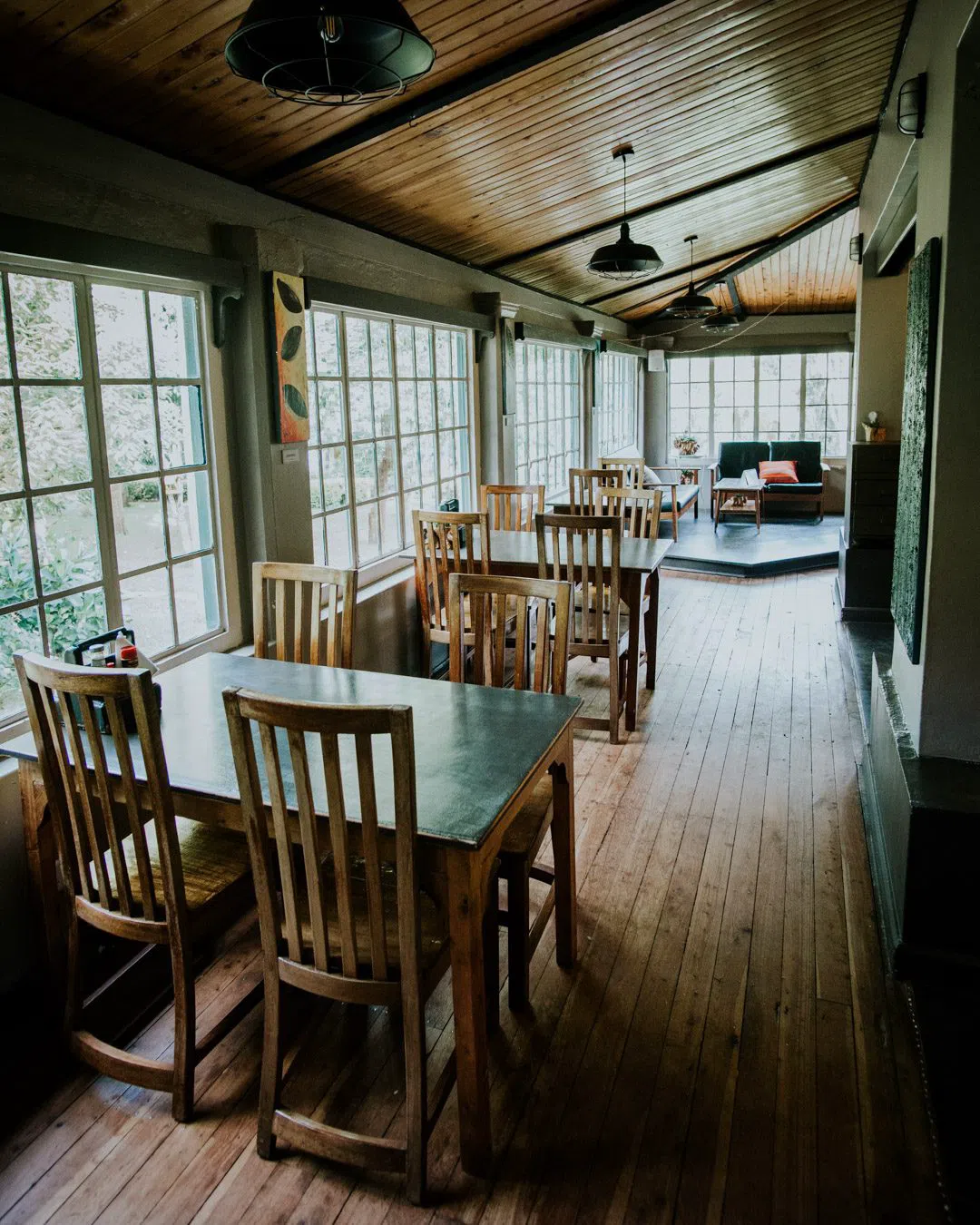
The Kentmere Club (Tigoni) has been standing since 1922 and is the à la carte alternative, useful precisely because it does not need to be booked as an experience. It is also where the day can turn into two: rooms run KSh 6,500 to 9,500 with breakfast, which is a cheap way to see the hills at dawn, when the mist sits in the tea and everything is quiet. Use thekentmereclub.co.ke for reservations, since the .com address no longer resolves and has confused a lot of people.
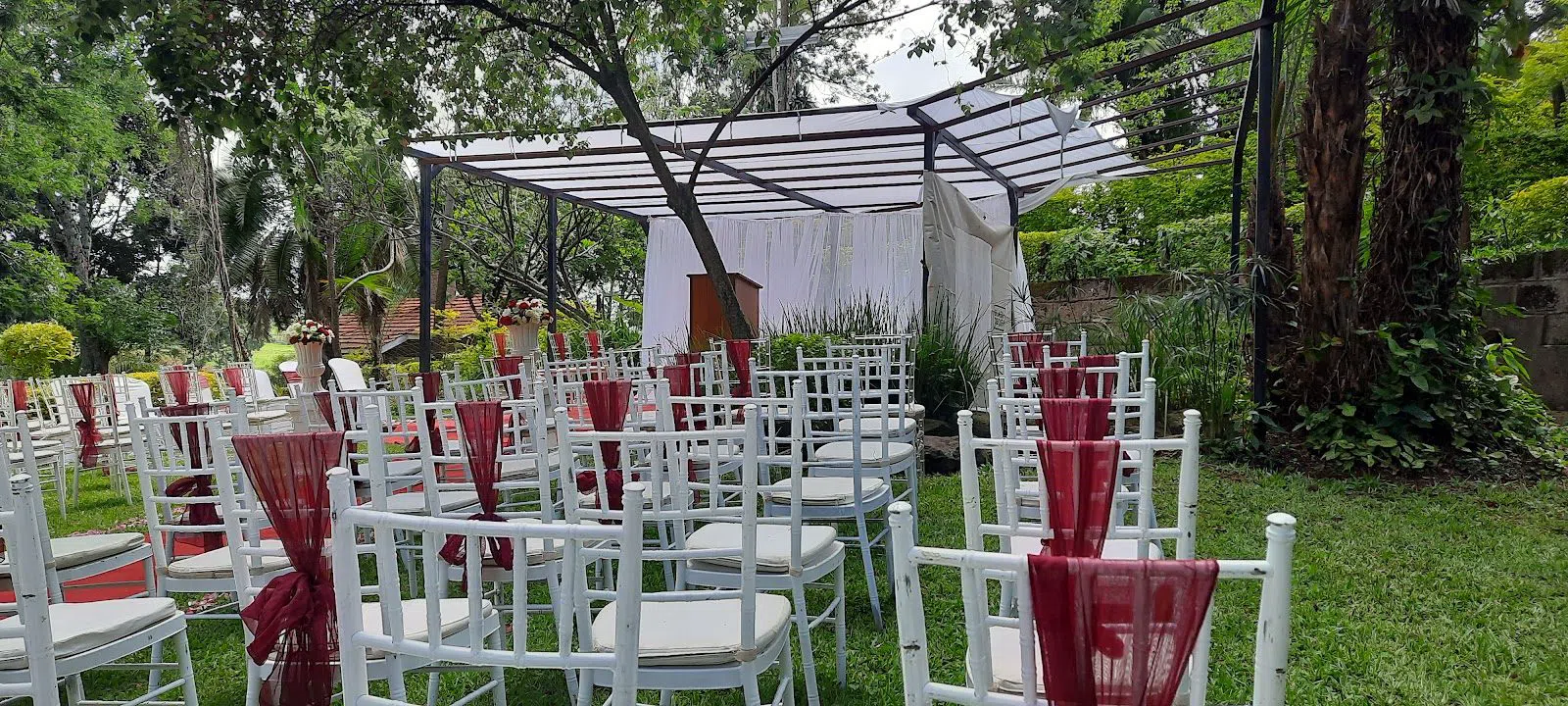
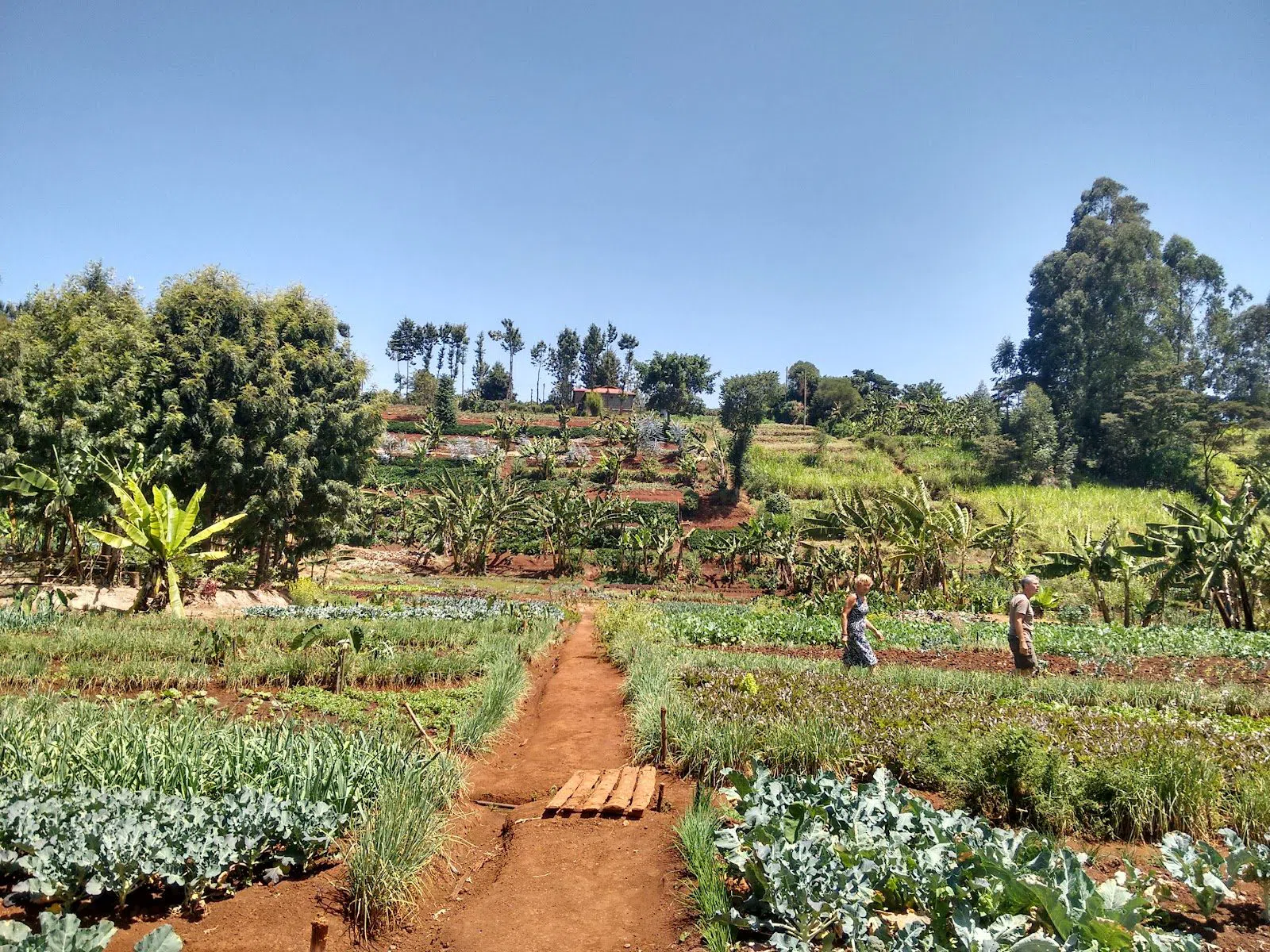
Mlango Farm (Tigoni) is the warmest and least staged table in the area. Kamande and his Dutch wife Els welcome guests at 11am, you walk the beds and pick the vegetables that go into your own lunch, and the activities get shaped around whoever has turned up. KSh 3,500 for adults, KSh 1,750 for age 11 and under, free under two, and a harvest basket to take home is KSh 1,200 extra. It is by appointment only and often fully booked, so treat it as a plan you make a week out rather than a fallback. With children, it is the best option in this article.
Forest, and the cheapest good hour in Limuru
Brackenhurst Botanic Garden & Forest (Limuru) costs KSh 200 to enter, about US$1.50, and is open daily from 6.30am to 6.30pm. That makes it the cheapest stop of the day by a distance, and the least token: the country's first accredited botanic garden, recognised in 2021, sitting on one of the most successful forest restorations in East Africa. What was eucalyptus plantation has been put back to indigenous forest, and among what grows there now is Gigasiphon macrosiphon, a tree that was thought extinct until the 1990s. Guided walks are available and worth taking, because unguided you will walk past the interesting things.
Ring ahead. The site handles conference and team-building groups and gives them priority, so a quiet Tuesday walk can turn out to be a Tuesday with 140 delegates on it. Meals are extra, at the Main Restaurant or the Muna Tree Café.
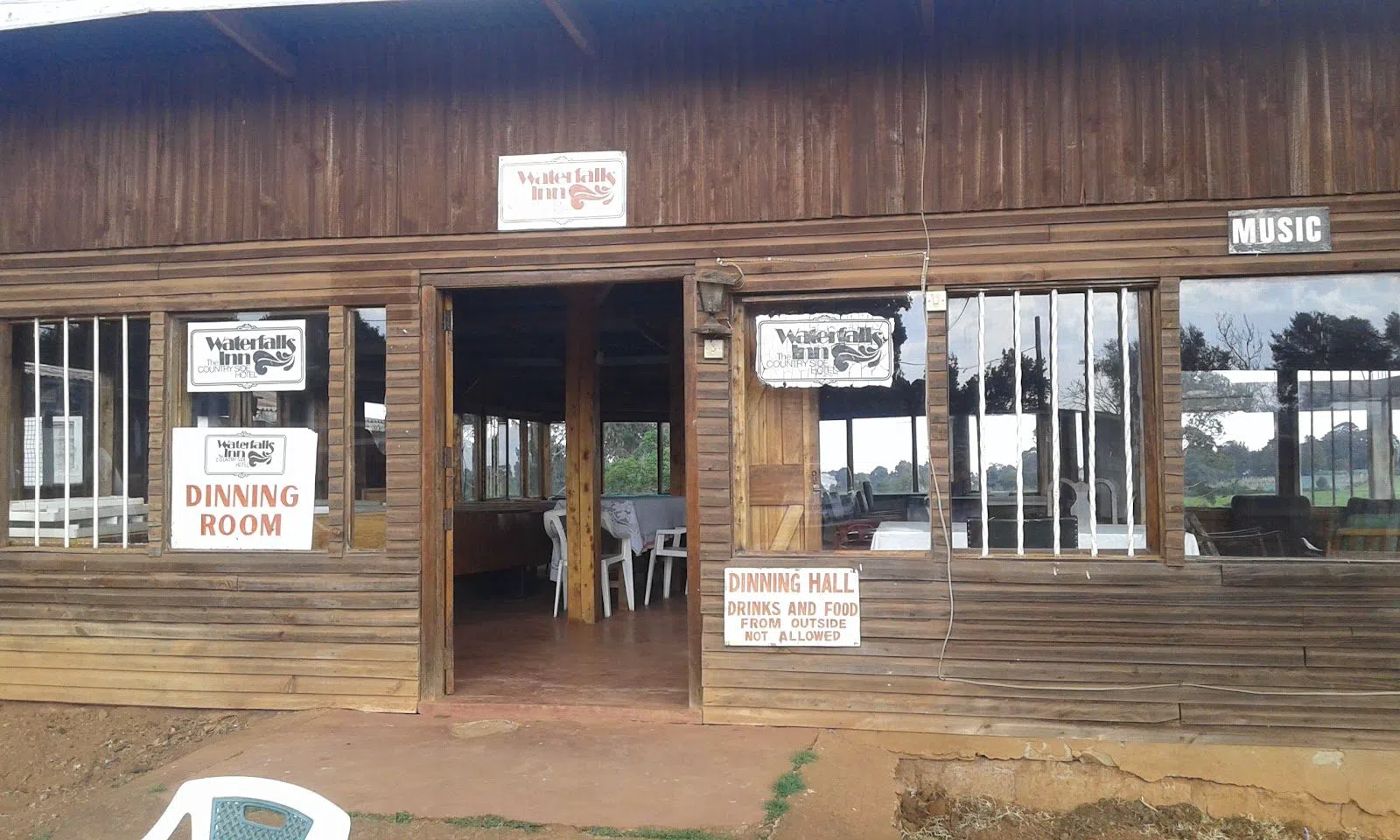
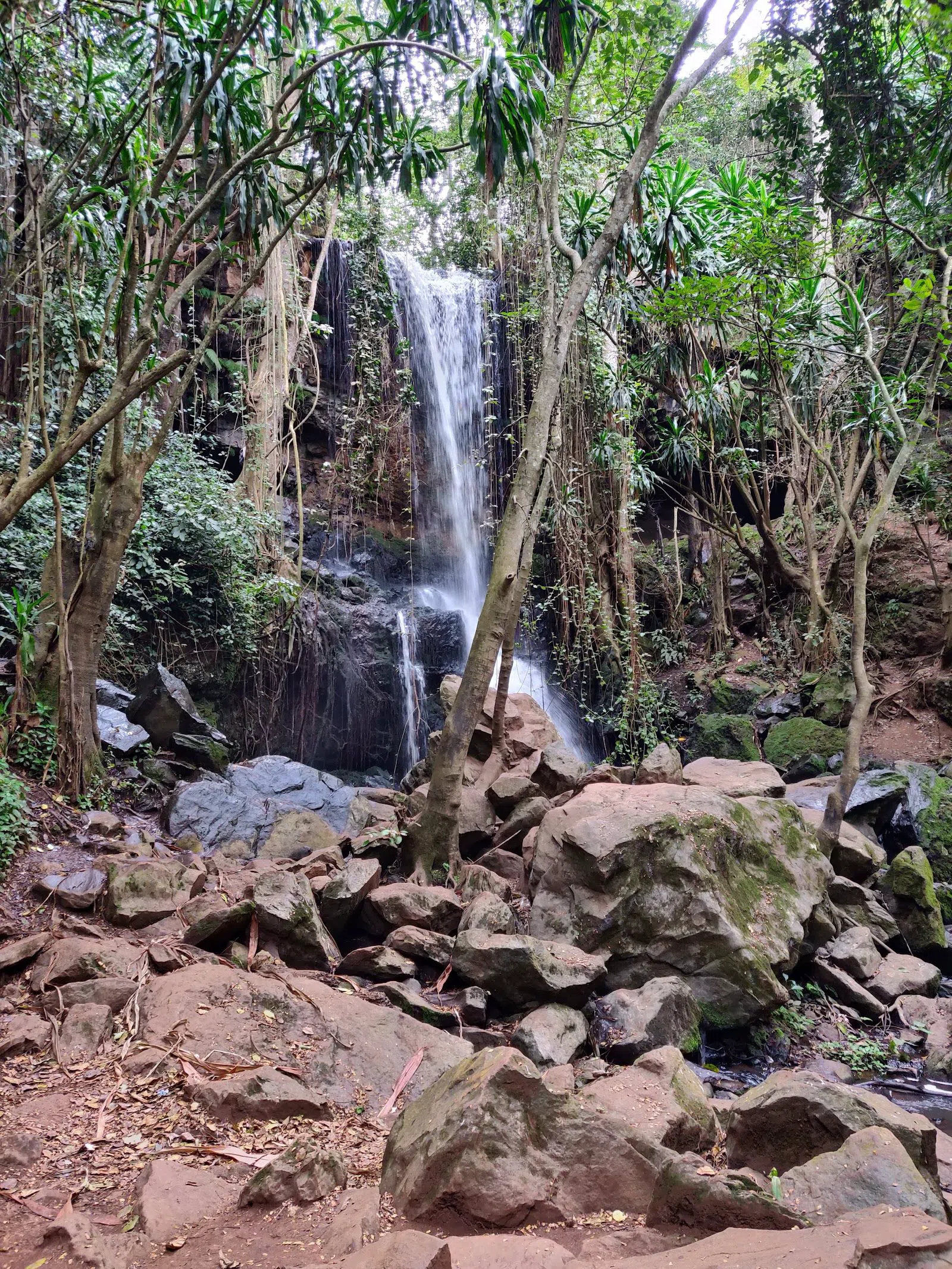
Waterfalls Inn Tigoni (Tigoni) is the cheapest real scenery in the area at KSh 450 for adults and KSh 200 for children, roughly US$3.50, on grounds that have been open to visitors since 1960. It takes groups happily, for hikes, team building and birthday parties, and charges corkage if you bring your own drinks. Be realistic about the kitchen on weekdays: it can be thin, and the sensible plan is to arrive with a picnic rather than to arrive hungry.
Two wetlands that reward birders and nobody else
Manguo Swamp (beside Limuru town) is free, unfenced, and about forty minutes from the central business district. You park on the roadside and walk. It is the most accessible site in the country for the near-threatened Maccoa Duck, and thirty minutes here on the way out or back is well spent if you carry binoculars. It is also degraded and encroached, with no facilities, no guide and no infrastructure of any kind. Birders will be glad they stopped; general sightseers will wonder why they did.
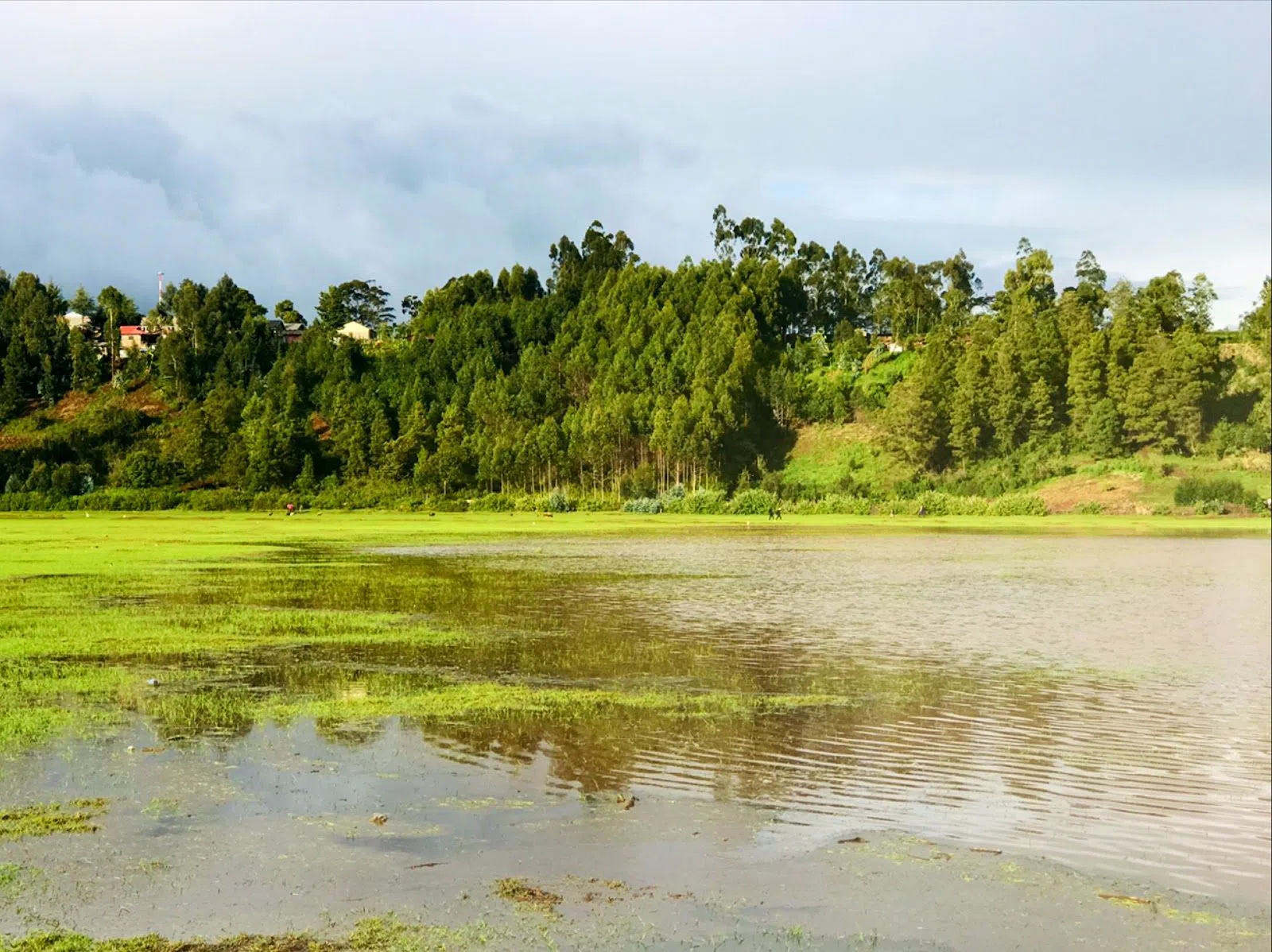
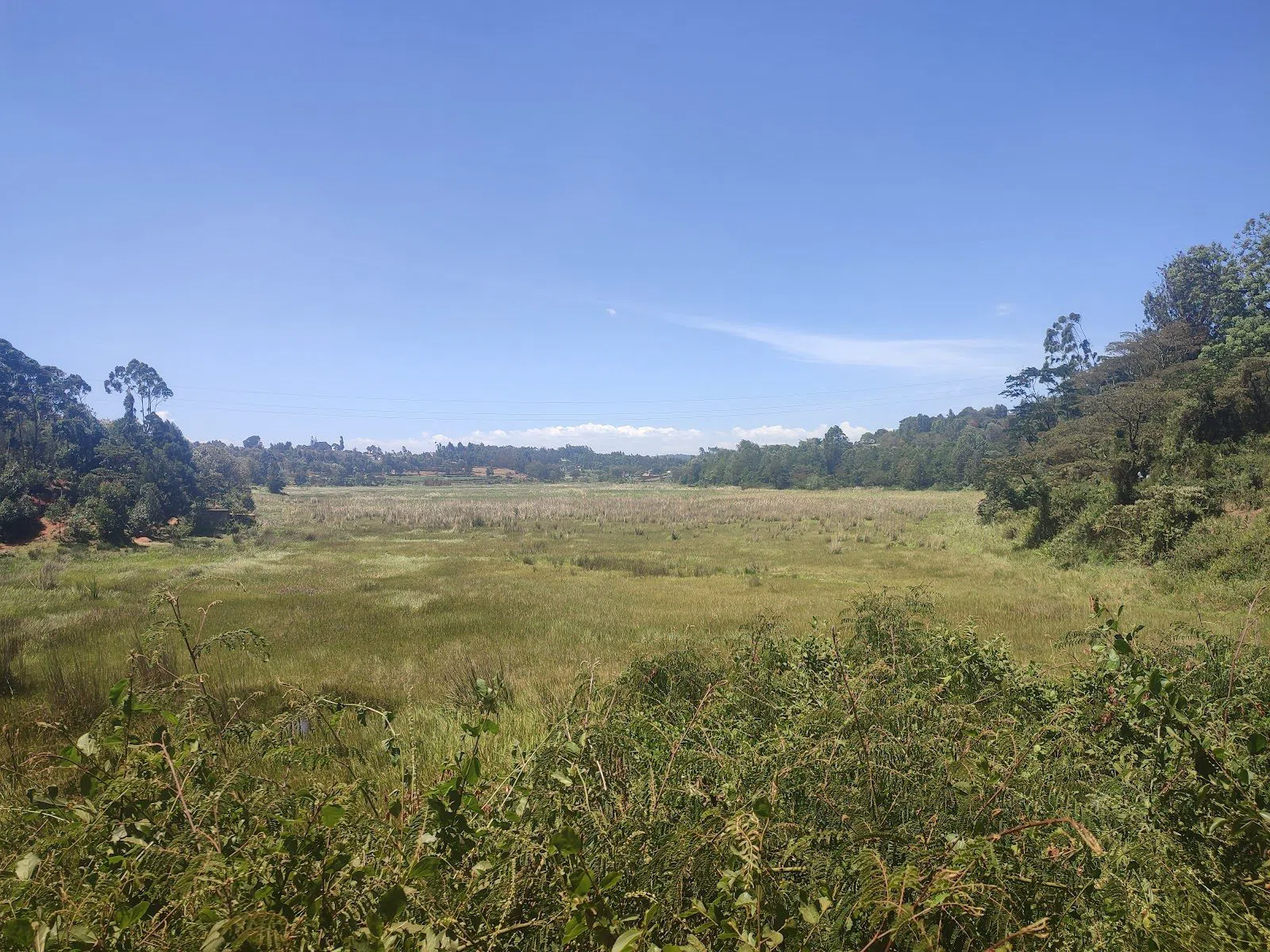
Ondiri Wetland (20km west of the centre, on the Limuru side) is the more rewarding of the two for a non-specialist, because of what is underfoot: one of only two quaking bogs in the country, a floating mat of vegetation that moves as you walk on it. Friends of Ondiri Wetland Kenya manage the site and have turned it around from a grassroots start, and they run guided and self-guided walks plus structured programmes for schools, institutions and corporate conservation days with tree planting. Entry is free to low, with a community contribution or guide fee on request. Contact FOWK ahead for a guide, because unguided, most visitors never understand what they are standing on.
The stop that keeps teenagers on side
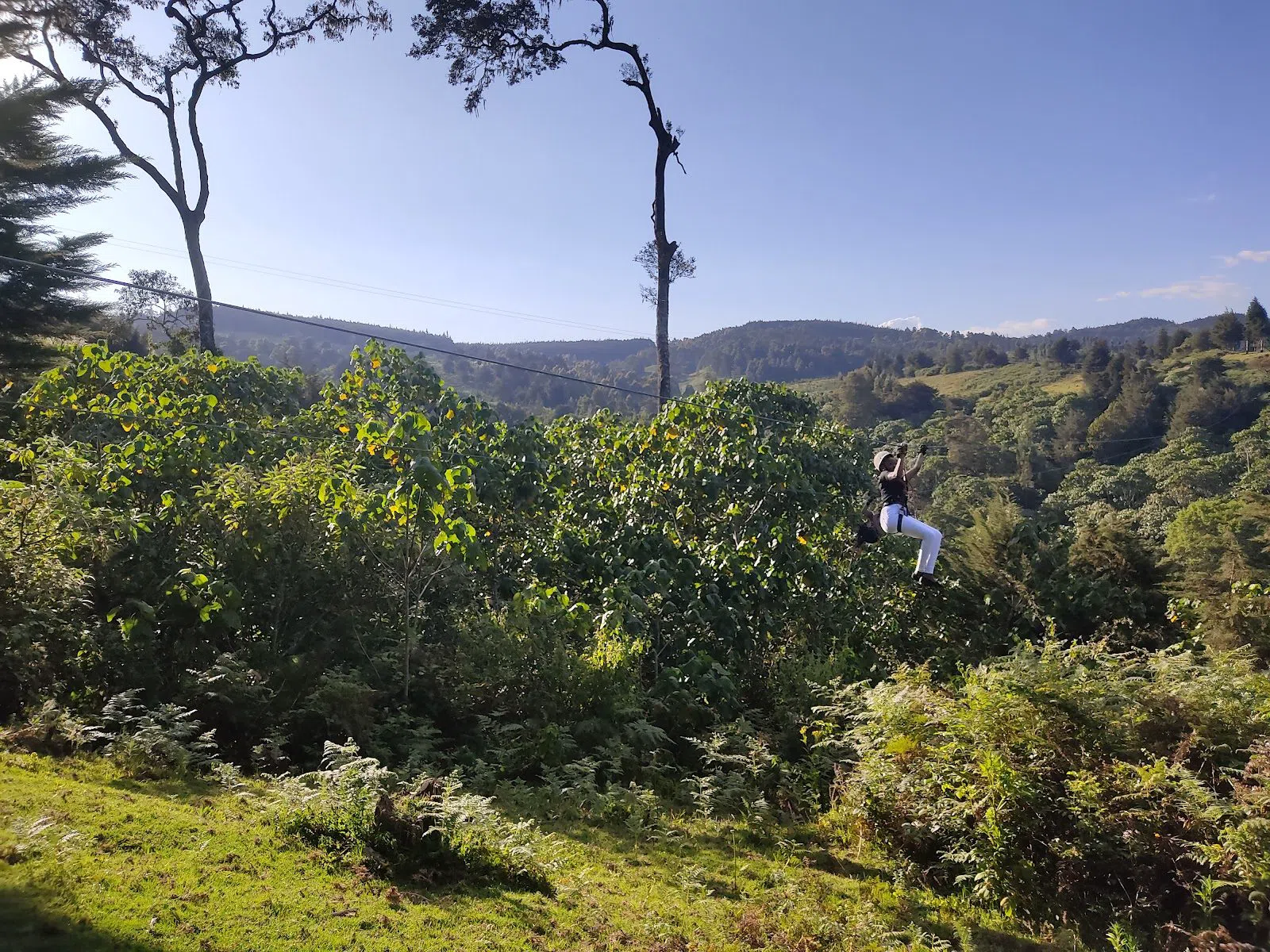
The Forest, Kereita (Kereita, up beyond Limuru) is the one venue here that converts a gentle tea day into something a fifteen-year-old will talk about. It runs East Africa's longest zipline, six lines in total, inspected and certificated to EU EN standards by a UK inspector every year, which is a claim you can check rather than the usual reassurance. Open Thursday to Sunday and public holidays, with sessions from 9am to 4pm. Entry is KSh 200 for adults and KSh 50 for under-18s; the zipline is KSh 1,800 for two lines or KSh 2,800 for all six.
Groups are well served here: there are dedicated team-building packages with a questionnaire sent out before the visit, and Tuesdays and Wednesdays can be hired exclusively for private and corporate parties. Payment is M-PESA and Paybill only, and people do get turned away at the gate over it. No cash. If you are visiting without a Kenyan mobile money account, sort out how you are paying before you drive up.
Golf through the tea, and coffee closer to town
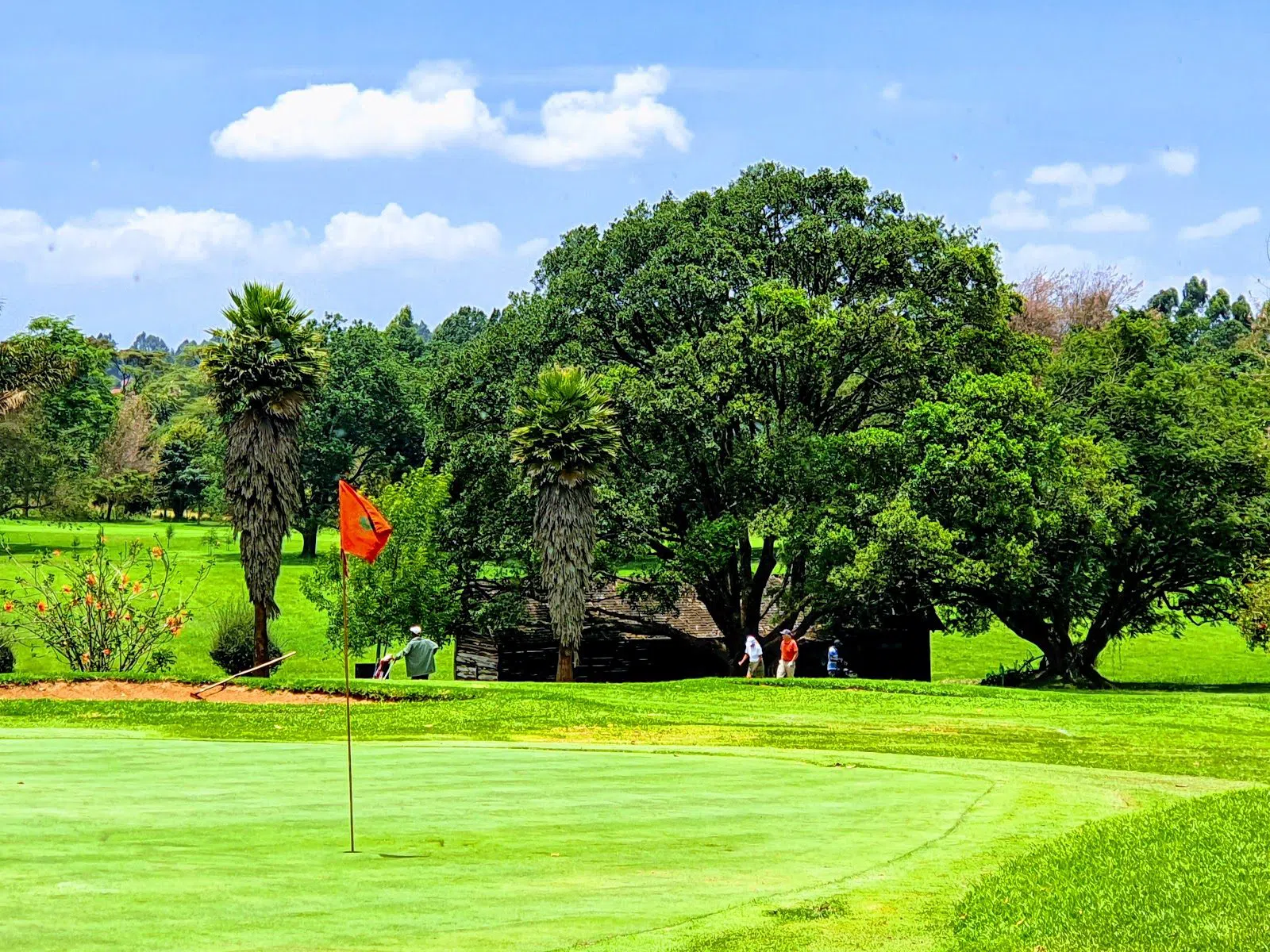
Limuru Country Club (Limuru, 25km out) is one of very few golf courses anywhere played entirely through tea, with the hedges standing in for rough on most holes. It is open Monday to Sunday, 8am to 10pm, including holidays, and visitors may play without a member signing them in, but it is a private members' club and you must book ahead. Turning up unannounced does not work, and good humour at the gate will not fix it. Green fees are on request; call +254 722 645941 and confirm directly. Club dining is extra.
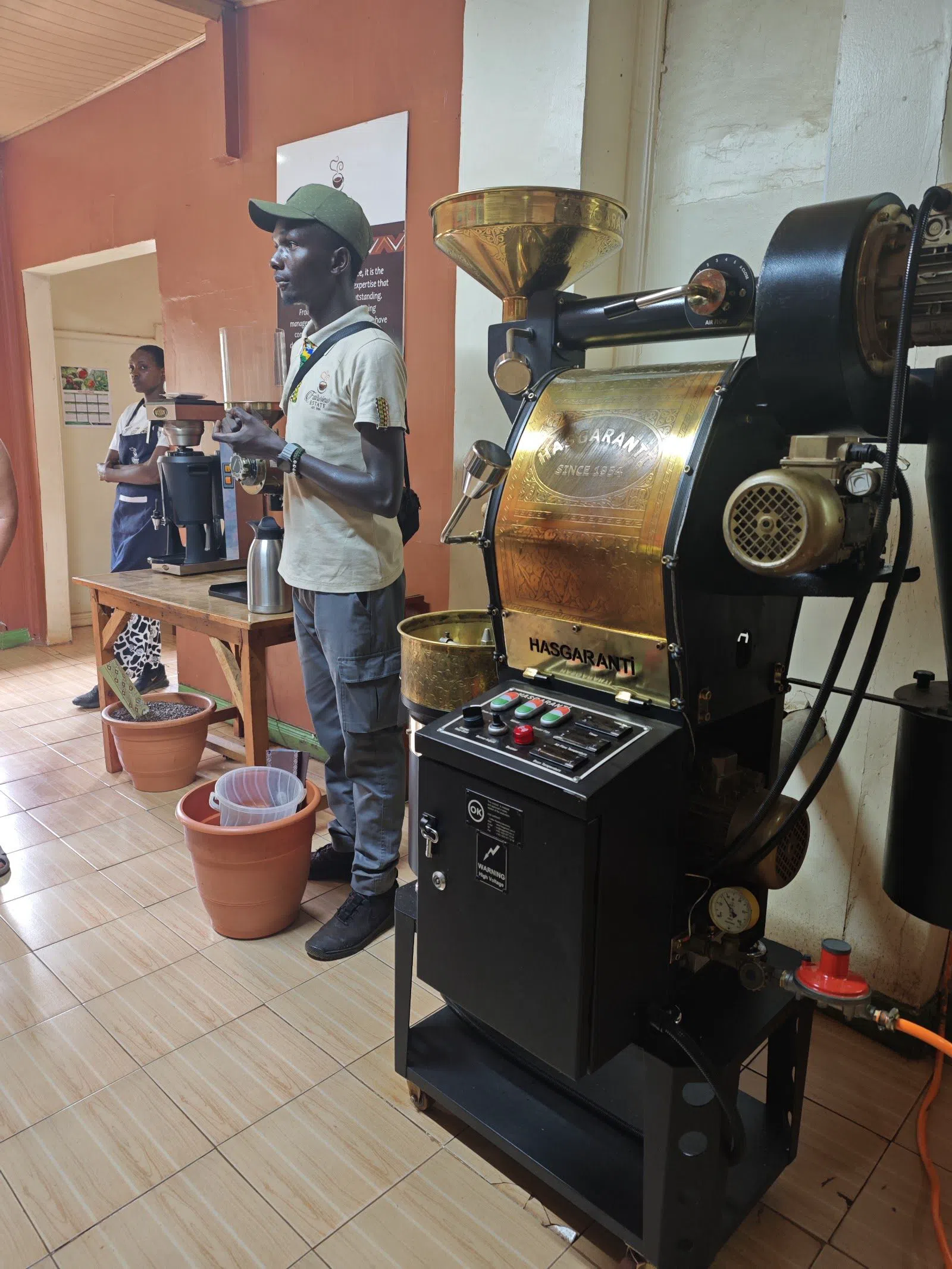
Fairview Coffee Estate (Kiambu Road) is the coffee half of the same agricultural story, producing since 1909 and only 14km from the city, which makes it the tightest and most technical estate tour in reach. Two-hour tours run at 10am and 2pm daily, booked online for a set time, and they suit all ages and take organised groups. Cost lands somewhere around US$40 to 95 per person depending on the operator and whether transfers are bundled in, so compare before you book. Treat it as the day before, or the alternative if the tea farms are closed on your dates. It is coffee, and it is not a substitute for a day in Limuru.
Two stops you can add for almost nothing
Paradise Lost (Kiambu Road) is twenty minutes from the city centre, open daily 8am to 6pm, and takes walk-ins and large school parties without difficulty. Entry is KSh 500 for adults and KSh 300 for children, about US$4, and it buys the grounds and only the grounds. The caves, access to the waterfall, boating, horse riding and the zipline are all charged separately, and the gap between what people assume they have paid for and what they have actually paid for is the single most common complaint about the place. Budget for the extras and it is a pleasant couple of hours.
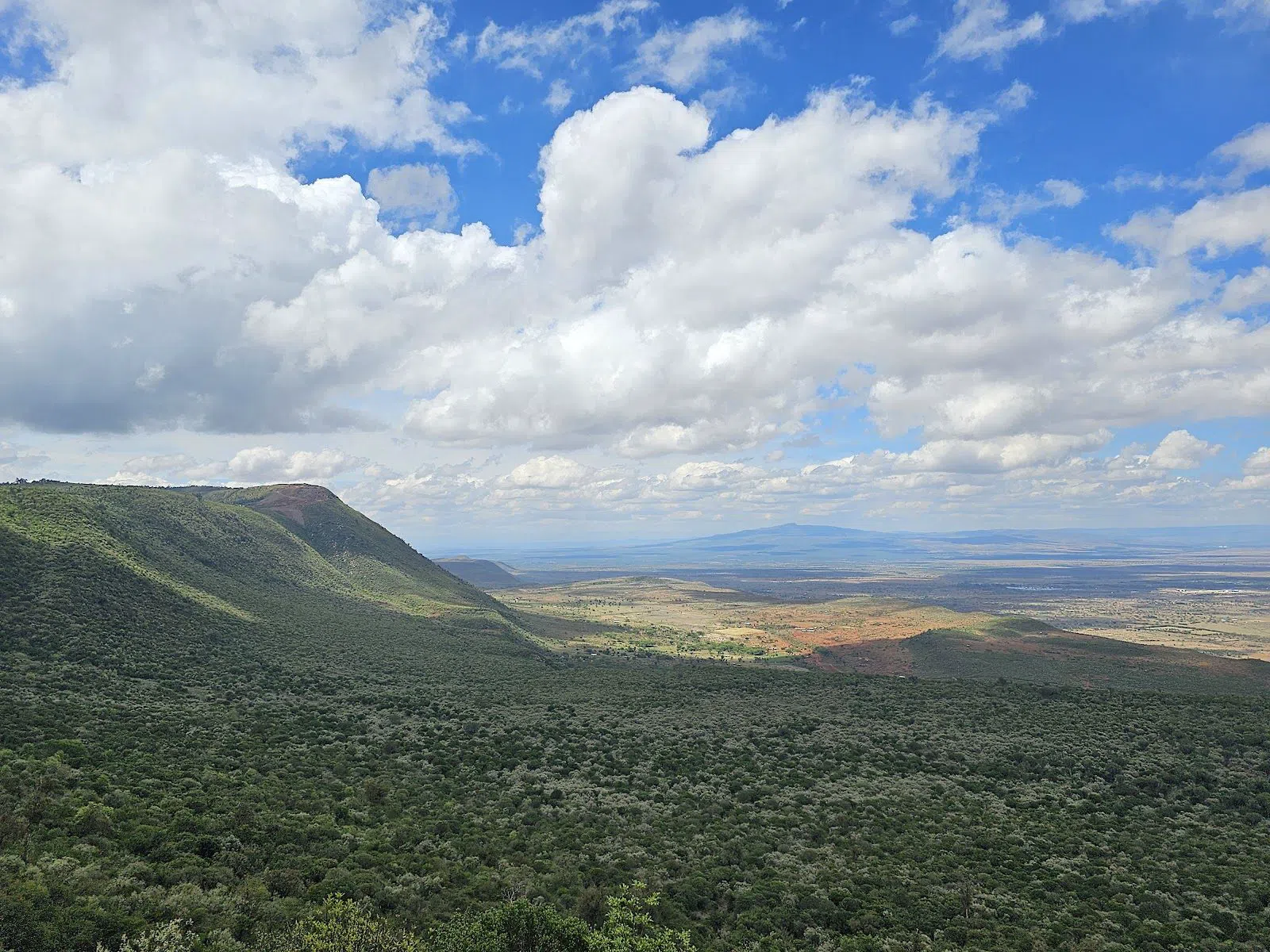
Great Rift Valley Viewpoint (on the escarpment road past Limuru) is a free public lay-by forty-five minutes out of the city, directly on the route, so it costs nothing but the pause. Every long-distance coach heading out this way pulls in, and the view down the escarpment earns the stop on its own. The curio sellers are persistent and the selling is firm, so agree a price before you pick anything up: handling an item is treated as the start of a negotiation.
Practical notes
Transport. Hire a car with a driver for the whole day and keep them with you. Public transport will get you as far as Limuru town, but the farms sit down unmarked lanes several kilometres apart and ride-hailing coverage for the return leg is unreliable to non-existent. This is the one piece of planning that ruins the day if you skip it.
Cash and payment. Carry M-PESA, because The Forest at Kereita accepts nothing else. Bring small notes as well for the KSh 200 and KSh 450 entries, guide contributions and curios, since the low-cost stops are the least likely to take a card.
Timing. Thursday, Friday and Saturday is the window in which everything is open at once: Kiambethu, brown's food co. and The Forest all run Thursday onward, and Karai adds Thursday and Saturday. Sunday still gets you Kiambethu and the zipline but loses the cheese. Monday to Wednesday, build the day around Brackenhurst, Paradise Lost, Fairview and the wetlands instead. Leave the city by 8am whichever day you choose, because the morning peak on the northwest roads can double a 45-minute drive.
Budget. A straightforward day runs KSh 4,900 for the tea farm with lunch included, KSh 200 at Brackenhurst and whatever you agree for the car (call it KSh 6,000 to 8,000 per person all in for two people sharing transport). Add roughly KSh 2,800 each if you are ziplining, or swap the farm lunch for brown's at KSh 5,000 and eat far better while spending a little more. If you would rather not fight the road twice in one day, a night at The Kentmere Club from KSh 6,500 makes it a comfortable two, and city beds for the nights either side are covered in the Nairobi hotel search.
One last thing. Every venue above that involves a table wants notice, and three of them want it measured in days rather than hours. Book the farm first, the lunch second, and let the free stops fill the gaps.
Before you go
Which tea farm near Nairobi should I book, Kiambethu or Karai?
Book Kiambethu Tea Farm if there are one to four of you: it is the oldest commercial tea farm in Kenya, KSh 4,900 per person all-inclusive from 1 January 2026, and Fiona Vernon hosts personally. Book Karai Tea Estate if you are six or more, because that is its minimum group size. There you plant and pick tea yourselves and walk to waterfalls, for roughly KSh 4,500 to 6,000 per person with lunch. Karai will not take a solo traveller or a couple.
What days are the Limuru tea farms open?
Kiambethu Tea Farm runs Thursday to Sunday and is closed Monday to Wednesday. Karai Tea Estate runs Tuesday, Thursday and Saturday only, meeting at Limuru Girls School at 10:30am. Thursday and Saturday are the only two days on which both operate, and neither takes walk-ins: Kiambethu closes online booking at 6pm the night before, and Karai wants 48 hours notice and prepayment.
How do I get back to Nairobi from Limuru?
Arrange it before you leave. Ride-hailing cars will take you out to Limuru but frequently will not come and collect you, and the farms sit on unmarked lanes well outside the town. What works is a car and driver hired for the full day who waits while you tour. Public transport gets you to Limuru town at best, not to any of the farm gates.
Can I add lunch at brown's food co. to a tea farm tour?
Only if you are careful, because both tea farms already include lunch in their price and you would be paying and eating twice. brown's food co. in Tigoni is now a full Living Food Campus tour (bakery, mill, fermentation room, seed bank and dairy), running Thursday, Friday and Saturday at KSh 5,000 per adult without alcohol. You have to reserve, and Saturdays fill around two weeks ahead. Pair it with a morning walk rather than a second lunch venue.
Is the Limuru trip worth it with children?
Yes, and there are three good routes. Kiambethu charges half price for under-12s and lets under-4s in free. Mlango Farm suits younger children best: an 11am welcome, picking the vegetables that go into your own lunch, KSh 3,500 for adults and KSh 1,750 for age 11 and under. For teenagers, The Forest at Kereita has East Africa's longest zipline at KSh 2,800 for all six lines, but it takes M-PESA only and no cash at all.