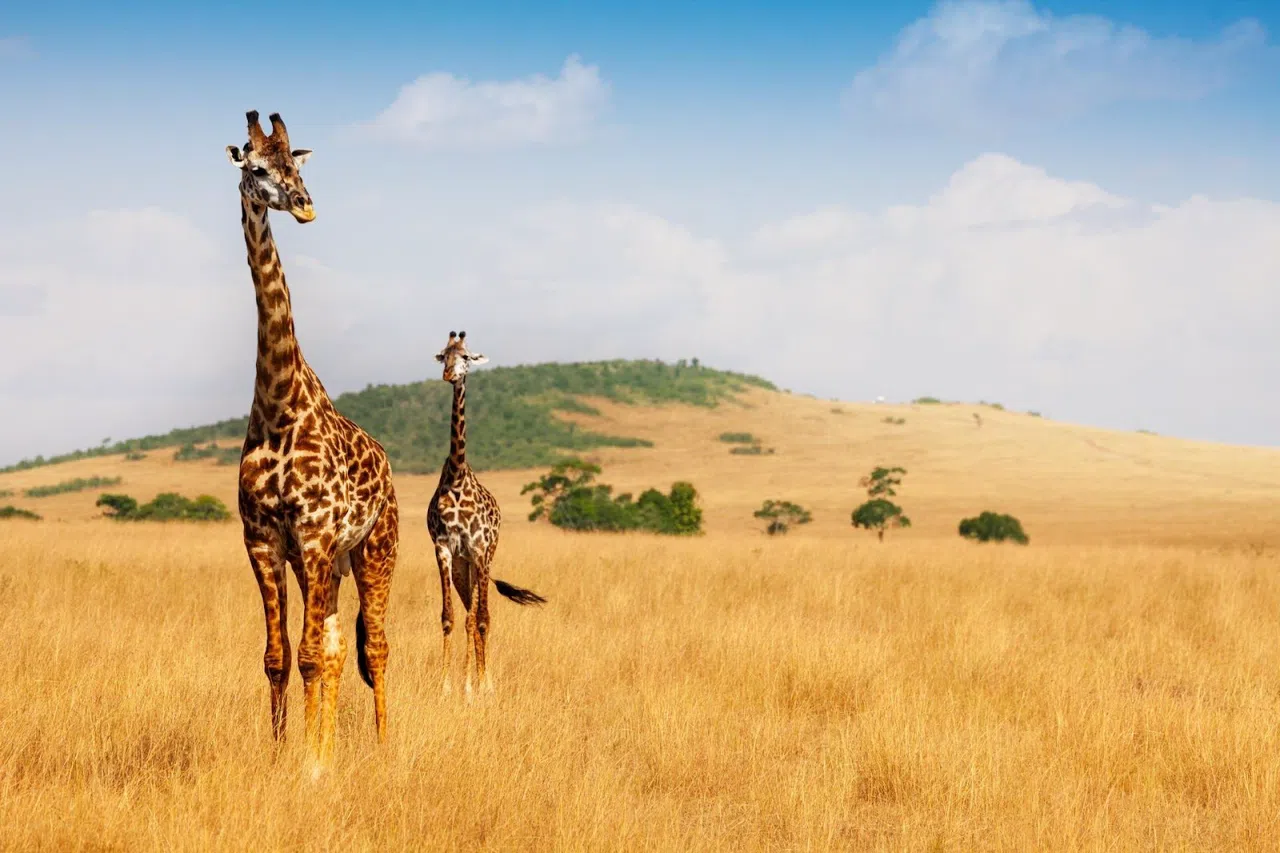
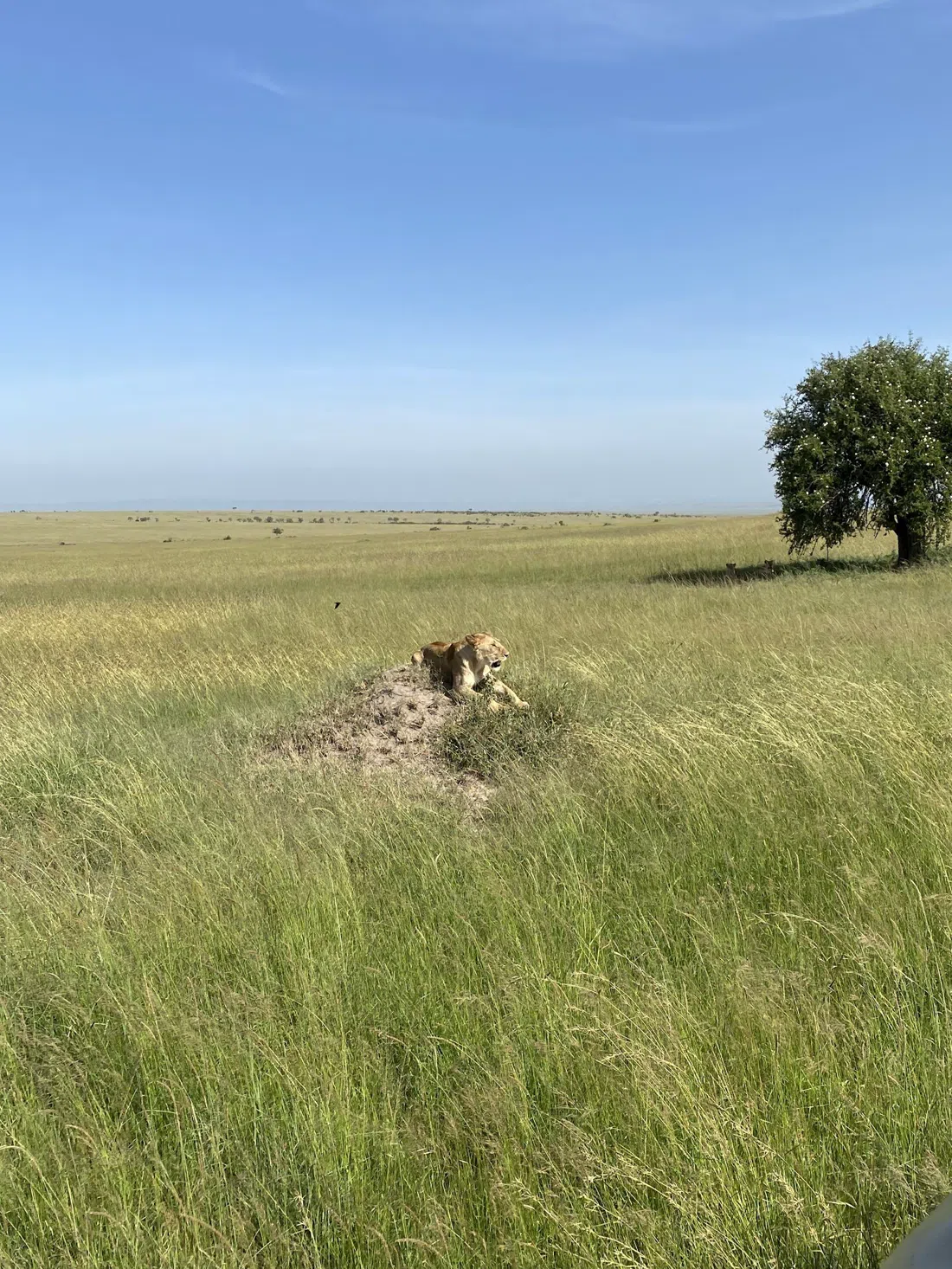
ナイロビを出た舗装路はプランテーションの間を縫って40分ほど登り、やがてマイ・マヒウの断崖で地面がぐっと落ち込み、道端の縁石に立ってグレート・リフト・バレー底を見下ろすことになります。それから5〜6時間後、同じ車が丈の長い草の中でアイドリングしたまま停まり、ライオンの雌がバンパーの前を横切るかどうかを思案しています。この旅を正直に最短でまとめると3日、そして3日で足りるのはプライベートのランドクルーザーがあるからです。
3日間で実際に手に入るもの
この計算は容赦なく、予約の前にやっておく価値があります。保護区は街から約270km、最後の区間は未舗装路なので、乾季でも片道5〜6時間、雨が降ればさらに長くかかります。これで1日目の大半と3日目の半分以上が消えます。残るのは午後のゲームドライブ1回、丸1日、夜明けのドライブ1回、合わせて3回半ほどのサファリ観察です。辛抱強く探せばビッグキャットに会うには十分ですが、のんびり構えるには足りません。
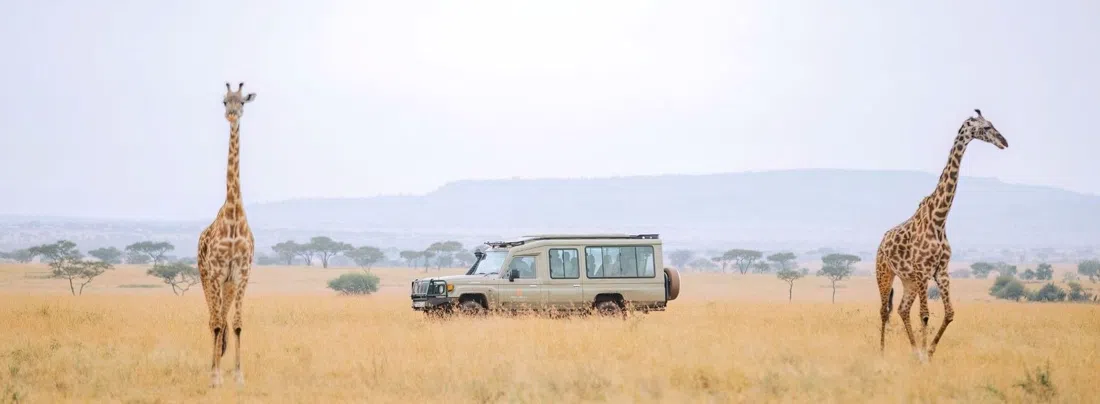
プライベート車はその時間を守ってくれます。ポップアップルーフ付きのランドクルーザーにドライバーガイドが1人、他人の旅程が混ざらないということは、自分が選んだから06:00に出発し、見たいからヒョウのそばに40分座り込み、土産物屋の立ち寄りは完全に飛ばせるということです。相乗りのミニバスでは、この3つの判断はどれも自分のものではありません。この旅程のガイド付きプライベート版は週7日運行で、1人3,360ドルから。高く見えますが、内訳を個別に計算すると納得できます。2泊のフルボード、1人あたり2〜3日分のゲート料、燃料、そして72時間のガイドの時間です。
セルフドライブは合法で、実際にやる人もいます。どのゲートも予約なしで私有車を受け入れます。しかし道は標識がなく、4月の轍はソフトローダーを止めてしまいますし、ドライバーガイドの無線ネットワークが、目撃にありつけるか通り過ぎるかを分けることもよくあります。自分で運転するなら、ゲートでガイドを雇いましょう。
道中と、時間を割く価値のある立ち寄り先
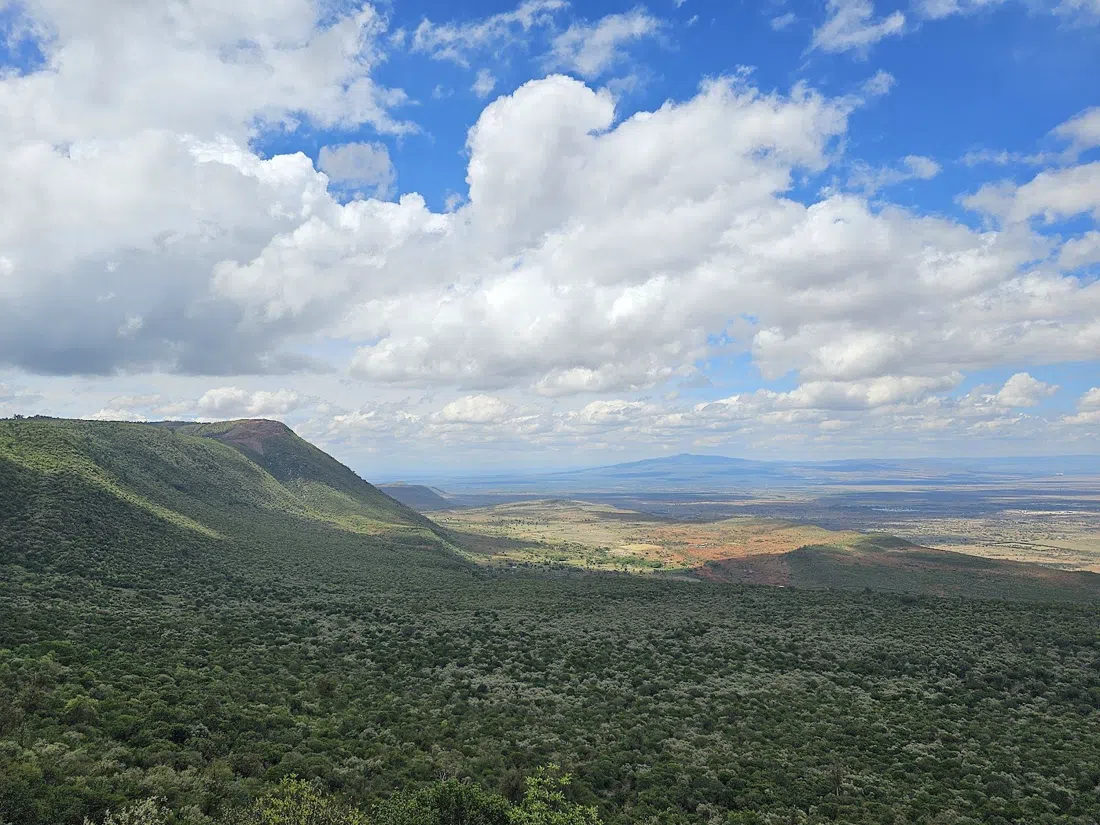
グレート・リフト・バレー展望台(マイ・マヒウ断崖、マラ・ロード沿い)は街から1.5〜2時間、寄り道なしで到着します。広くなった路肩と土産物屋の列、そして数百メートルの落差があります。トイレもカフェもないので、10〜15分の写真とストレッチ休憩と考えてください。売り手は値引き交渉に応じ、定価はありません。車を降りる前に自分の上限額を決めておきましょう。
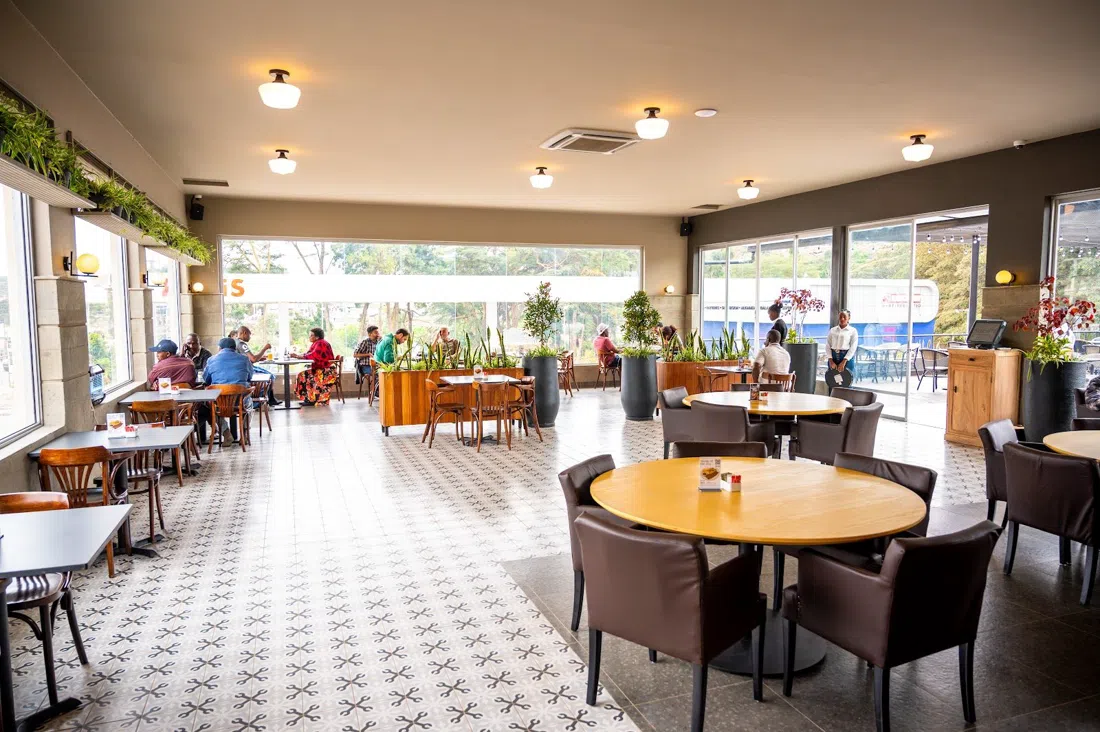
Save the real break for Narok, 141 km from the city and the last town that properly functions. Artcaffé Narok (inside the Rubis Mara Junction service station) is a sit-down café that absorbs a whole vehicle-load, open daily 07:00 to 23:00, with mains and coffee around KSh 800 to 1,800 a head. One forecourt gives you fuel, decent coffee, the cleanest tourist toilets on the route and a Quickmart next door for water. Budget twenty minutes, and expect nothing comparable afterwards.
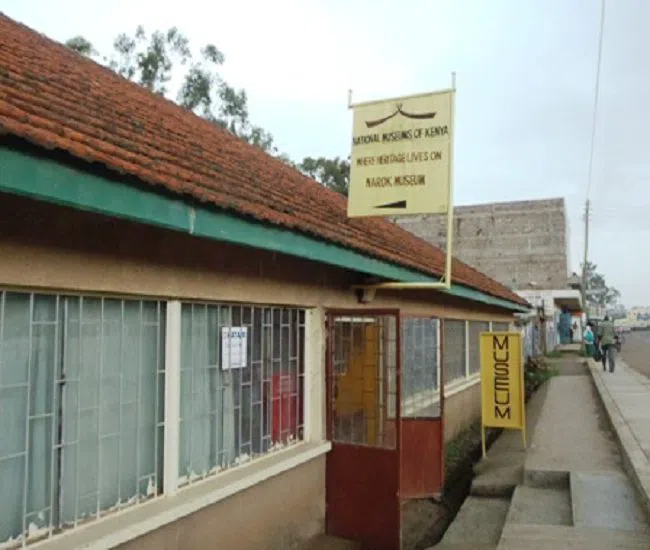
Thirty minutes more in the same town buys the context that stops the next three days reading as pure scenery. Narok Maa Museum (central Narok, a National Museums of Kenya site) covers the Maa-speaking cultures: Maasai, Samburu, Njemps and Ndorobo. It opens 08:30 to 17:30 every day of the year, public holidays included. Non-resident adults pay KSh 500, children under 16 KSh 250, East African residents KSh 400, and payment goes through the eCitizen portal only. Walk-ins are fine and so are groups.
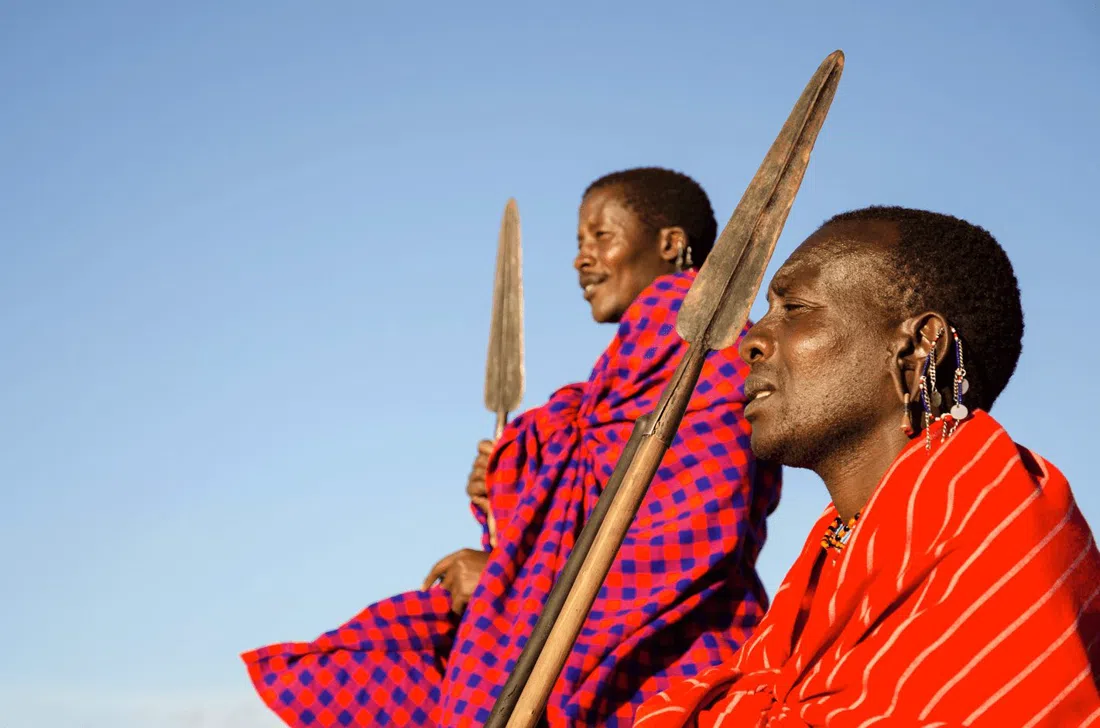
For something slower, Maji Moto Maasai Cultural Camp (roughly halfway between Narok and the reserve) is the version of a village visit that has not been arranged for a coach. Founded in the mid-2000s by community chief Salaton Ole Ntutu, it runs warrior training, the hot spring it is named for, a women's village and the Enkiteng Lepa school, with the money staying local. It takes day groups and overnight guests; pricing is entry-level community-camp rather than lodge, with no published rate card, so you enquire direct by phone or email. On a three-day run it works as a day-one stop on the way in. Staying over means giving up a game drive.
Clearing the gate without losing a morning
Every person pays per day at the barrier, and that fee is the biggest single line in the budget. Maasai Mara National Reserve (Narok County) charges non-resident adults 100 USD a day from January to June and 200 USD a day from July to December. Ages 9 to 17 pay 50 USD. Under-eights are free. The rate is identical whether you sleep inside the reserve or outside it. It is billed per 24 hours, so a three-day trip counts as two or three park days: in high season, 400 to 600 USD per adult in gate fees before a bed or a litre of fuel.
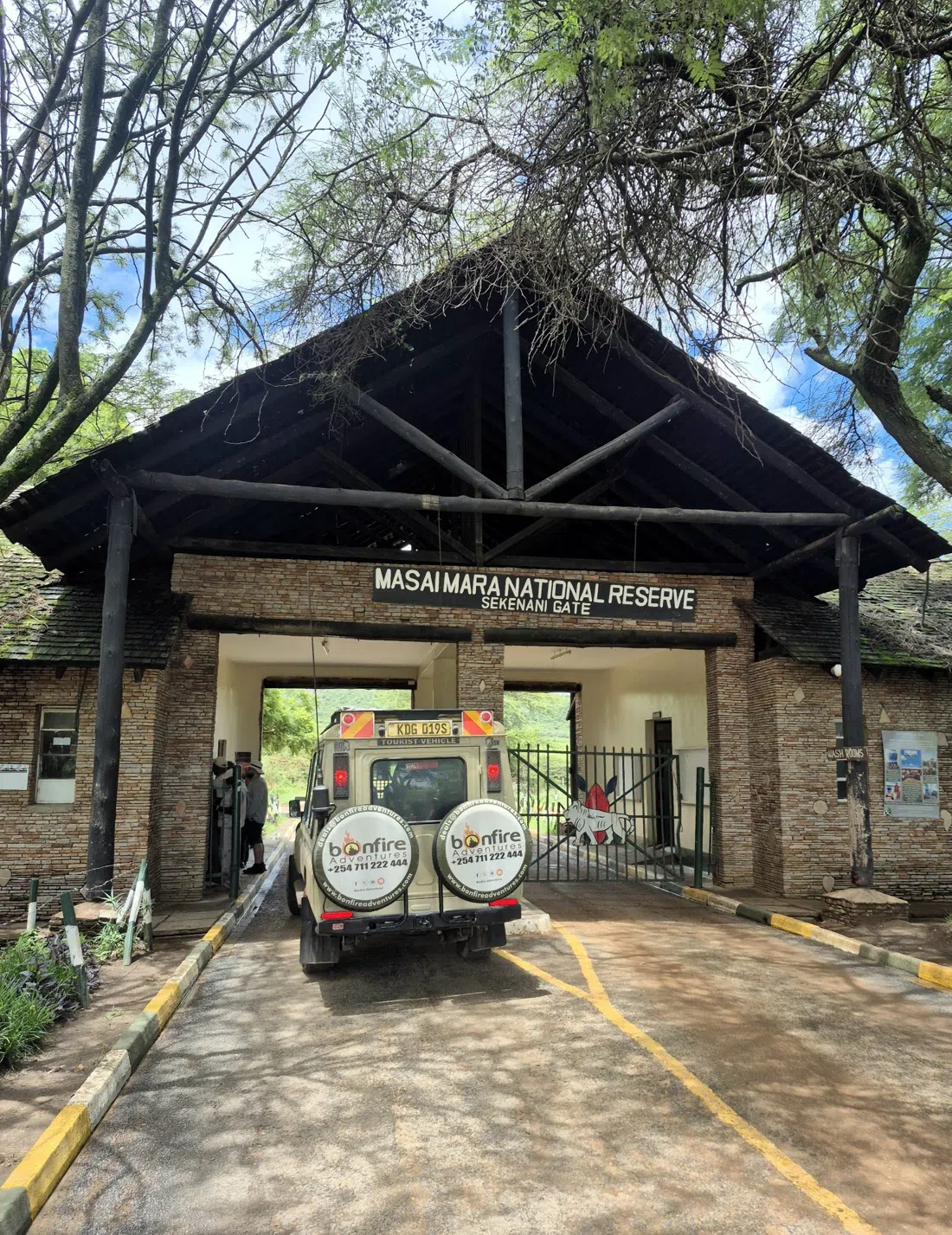
Sekenani Gate (eastern boundary, the main entrance) is where most vehicles clear, and it is the reliable time-waster. It opens at 06:00 with last entry at 17:30, one vehicle waits at the barrier while the driver-guide clears every passenger at the counter, and between July and October 15 to 20 vehicles can be stacked up. It is cashless: an eCitizen slip, Visa or Mastercard, or M-Pesa. Generate the payment slip about 48 hours ahead, because the mobile network at the gate is unreliable and finding that out while twelfth in line ruins a morning.
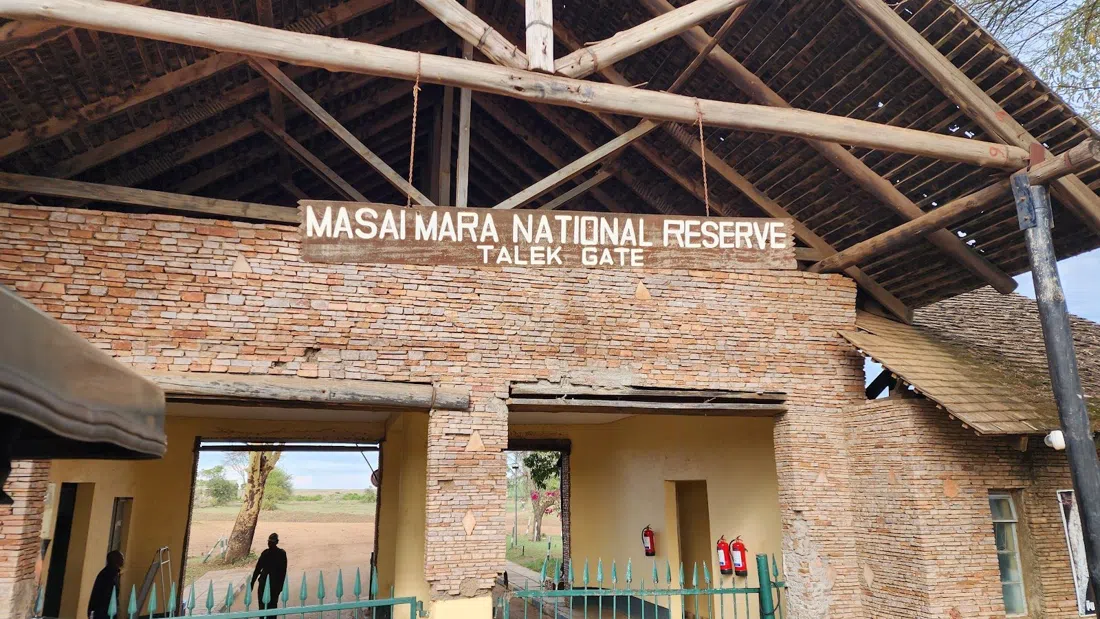
Talek Gate and Talek Town (Talek River, northeastern reserve) is the eastern alternative and the better approach if your camp sits along the river. Entry is the same 100 to 200 USD per non-resident adult per day. The town is where guides eat and restock, and the KCB ATM beside the gate is the last reliable cash point inside the ecosystem. The river-front camps here have hippo pools within earshot after dark.
The reserve and the third of it that behaves itself
The reserve is unfenced, enormous, and in the eastern sectors in peak season genuinely busy. One lion on a kill can pull a scrum of thirty vehicles, and in the county-run sectors nobody polices it.
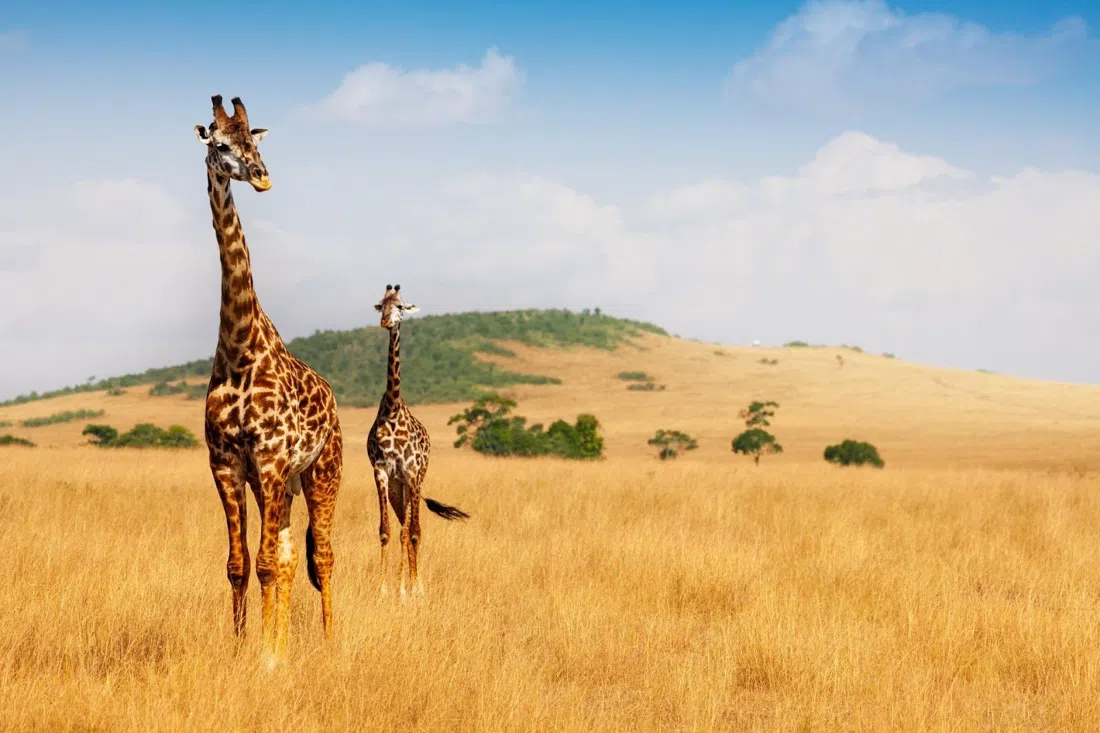
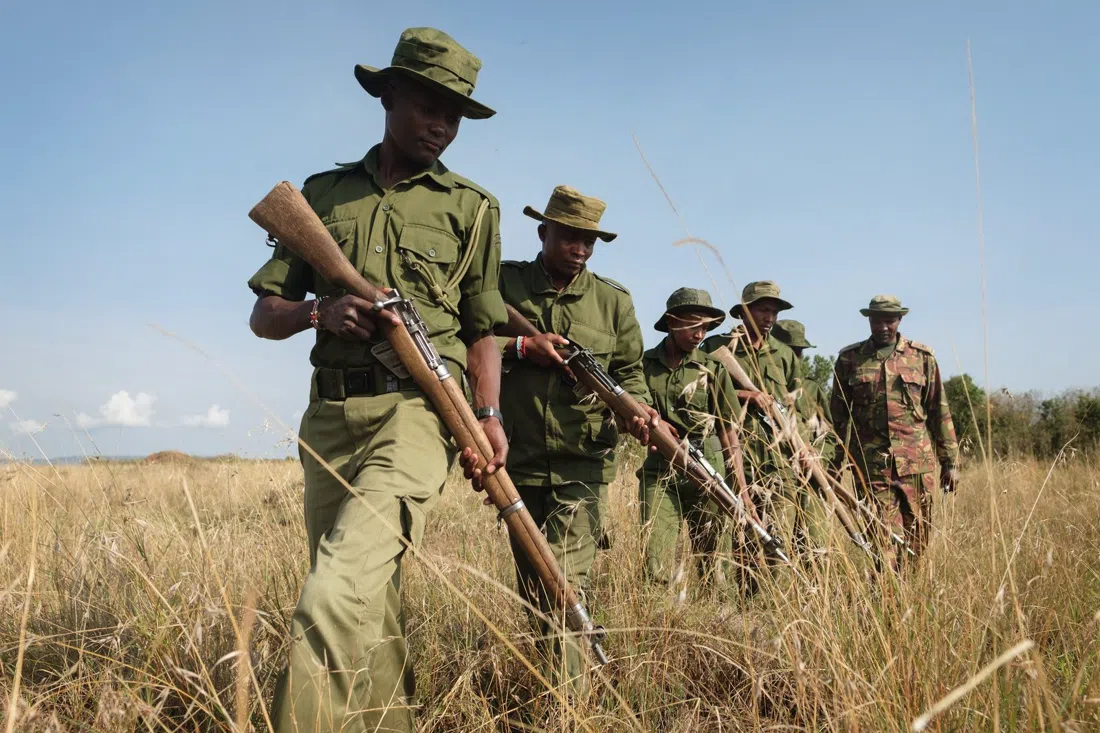
Mara Triangle (the western third, entered at Oloololo Gate, Purungat Bridge Gate or Serena Airstrip) is run by the non-profit Mara Conservancy rather than the county, and the difference shows inside an hour. Once more than five vehicles are waiting on an animal, viewing time is capped at ten minutes. Vehicles must hold 100 m back while queuing. Roving cheetah vehicles police guide behaviour rather than recommend it. Per-day rates match the rest of the reserve, 100 USD January to June and 200 USD July to December for non-resident adults, and it is cashless: Visa, Mastercard or M-Pesa, with no cash taken at all. If a crowded cat sighting would spoil the trip for you, spend your full day here.
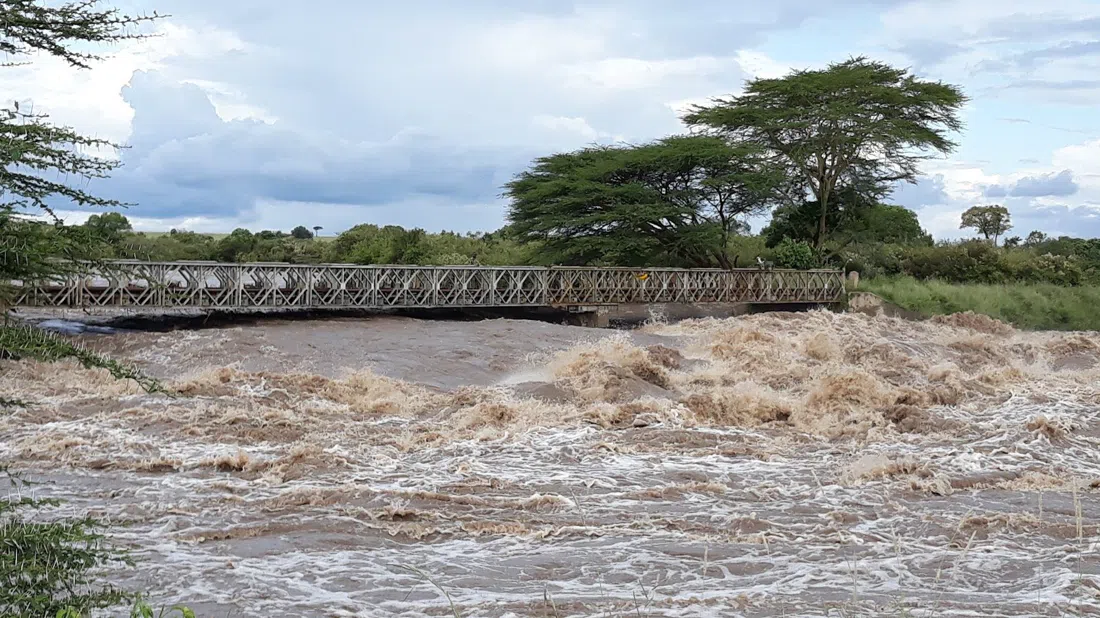
Mara River and Purungat Bridge (Triangle side, free with reserve entry) is why the migration is famous and also a year-round draw regardless of where the herds are. Hippo and crocodile are resident. The eastern crossing-watch points get packed; the bridge gives a different angle on the same water with far fewer vehicles around you.
Lookout Hill (south-central reserve) makes the scale of the place legible in about five minutes. There is nothing arranged about it, you drive up and park, and it sits near the first crossing points the herds use coming north. Camps and lodges set up private sundowners here for groups, which is an extra arranged through the property. Go in the last hour before the 18:00 curfew, for the light.
Two nights, three price bands
Mara Serena Safari Lodge (inside the Mara Triangle) is the only lodge actually in the Triangle, and that is its entire argument: you are through the gate and on game before the day-visitor convoys arrive. Seventy-four rooms including one suite, a fenced perimeter and a central pool mean it handles families and larger groups without strain, at roughly 300 to 450 USD per person per night full board. Breakfast beside the hippo pool on the river bank after an 06:30 drive is the thing people remember about it.
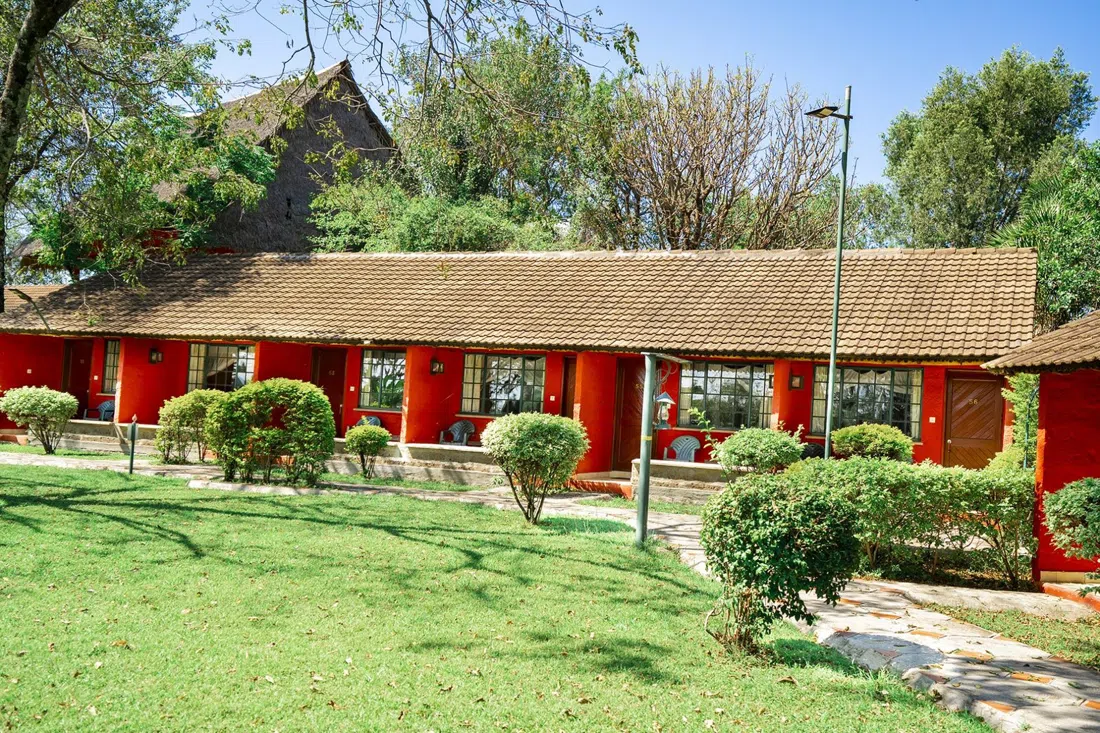
Muthu Mara River Lodge (Lemek Conservancy, five minutes from Mara North airstrip) opened on 14 January 2026 with 81 rooms (60 garden view, 18 river view, three family suites) and is built for groups rather than honeymoons. Roughly 200 to 350 USD per person per night full board puts it a band below Serena, and it has Starlink, which out here is unusual. It is also where MGM Muthu now directs guests while its sister lodge is closed for renovation, so plan on lively rather than secluded.
Angama Mara (on the Oloololo escarpment ridge) is the other bookend: 1,850 USD per person per night in standard season, 2,750 USD at peak in July to September and over Christmas, with Triangle park fees on top. Private game vehicles cost extra, and the sister Angama Safari Camp takes a whole family or friend group exclusively. Access is guests only. It is worth knowing about even if you never book it, because the ridge it sits on is the escarpment you drive beneath all day: the one used for the filming of Out of Africa, where the lodge still lays a private picnic.
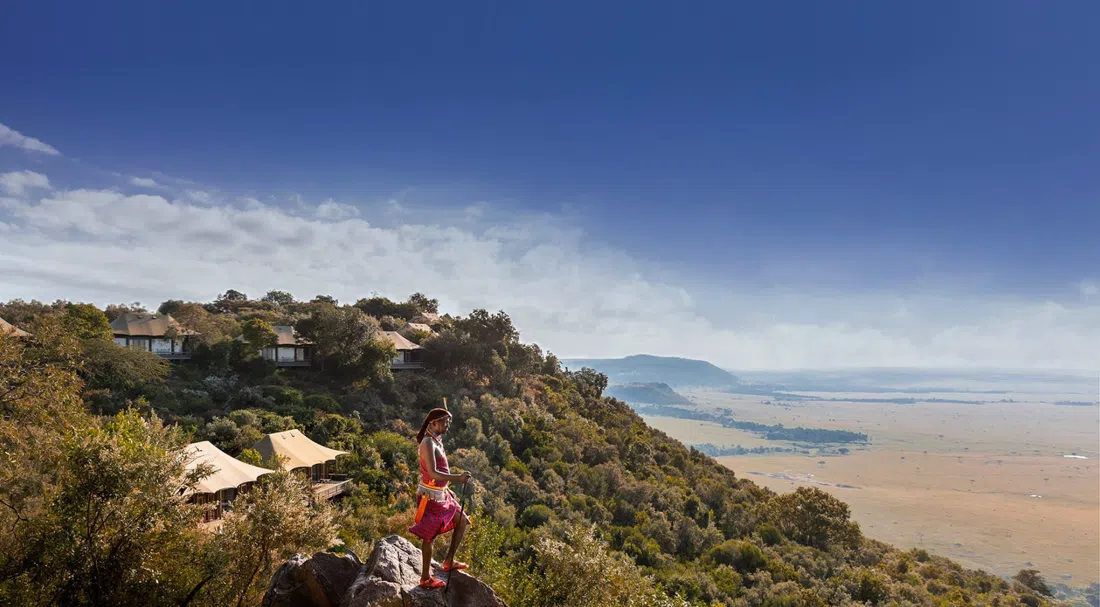
The balloon and the quieter ground next door
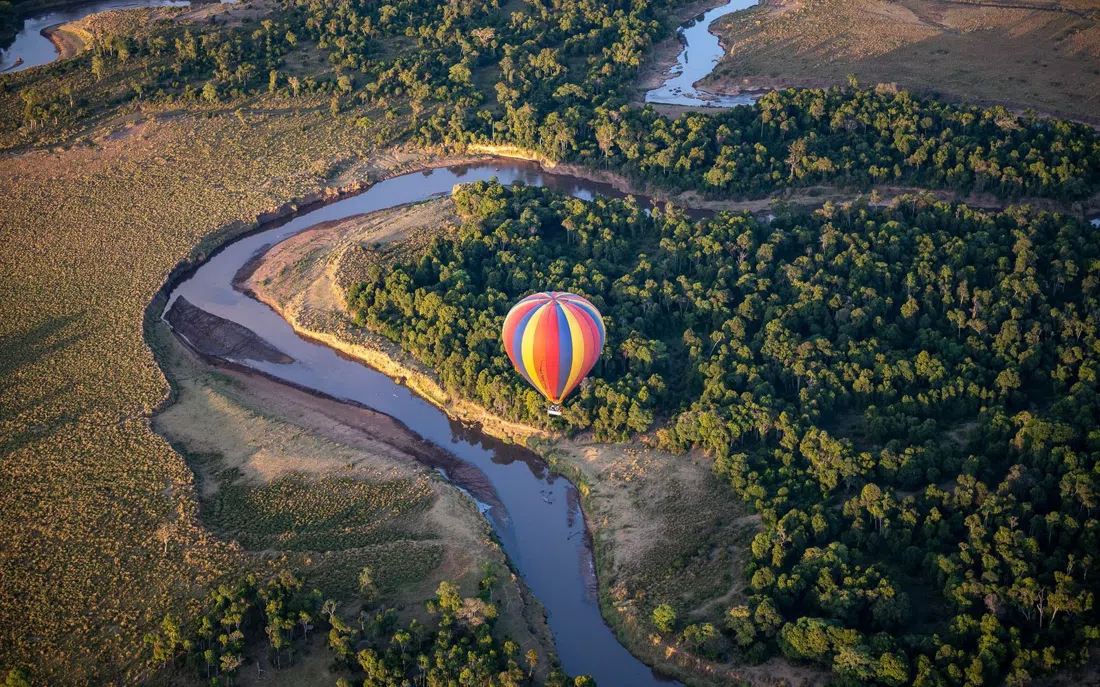
Governors' Balloon Safaris(保護区内のキャンプやロッジからの送迎を手配可能)は1978年からここで運航しており、多くの人が「元が取れた」と言う追加オプションです。バスケットは相乗りでグループ単位なので、プライベートな1時間ではありませんが、ゴバナーズの宿泊客でなくても乗れます。1人あたり約390〜500米ドルで、送迎、約1時間の飛行、地上でのスパークリングワイン付きブッシュ・ブレックファスト、帰りのゲームドライブが含まれます。子供は8歳以上かつ身長1.2m以上である必要があります。夜明け直後に出発し、天候に左右されるため、2日目に設定し、3日目に中止になったフライトを再飛行できるようにしましょう。
Mara Naboisho Conservancy(保護区のすぐ北東)は、混雑から逃れる方法に対する直接的な答えです。ウォーキングサファリ、ナイトドライブ、オフロード進入はここではすべて許可されていますが、国立保護区内ではすべて禁止されており、レンジャーは車両制限を提案ではなく強制します。その代償はアクセスです。セルフドライブ不可、日帰り訪問者不可、提携キャンプのゲストであり、保護区登録のガイドが運転する必要があります。保護区料金は非居住者1人1泊あたり約100〜120米ドルで、通常はキャンプのオールインクルーシブ料金に含まれています。72時間の旅行では、保護区をしっかり楽しむかナボイショをしっかり楽しむかのどちらかで、両方はできません。
ルールが許すことと許さないこと
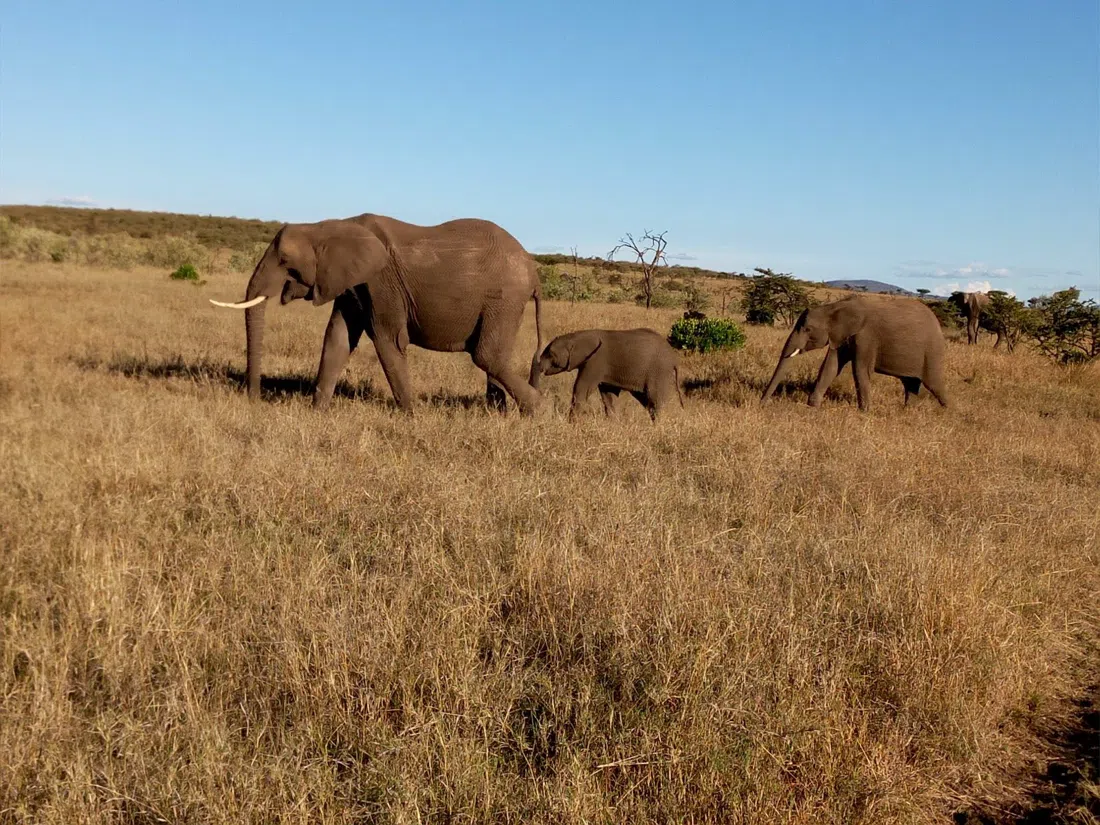
国立保護区内では、オフロード走行、夜間走行、指定された場所以外での車外降車は禁止されています。ゲートは06:00〜18:00で、最終入場は17:30です。専用車両は時間の自由度を買うものであり、これらの免除ではありません。トライアングルでは、10分間の観察制限と100mの車列ルールが追加され、どちらも積極的に執行されています。保護区はこの取り決めをすべて逆転させるので、写真を重視するガイドはそこへ誘導します。
価値があるか
はい、注意深くなら。3日間とは約3回半のドライブのために10〜12時間の道路を走ることであり、ゆったりとした日々を望むなら2泊ではなく4泊が必要です。しかしこの形式が機能するのは、専用車両が取り除くもののおかげです。車列の出発時間なし、共有スケジュールなし、5人の見知らぬ人と観察を交渉する必要なし。このページに添付された予約可能なツアー全体で235件の旅行者レビューがあり、その中で最高のものは235件から5.0点中5.0と評価されています。これは控えめなサンプルですが一貫しており、ランドクルーザーが自分だけのものであるときにこの形式がもたらすものと一致します。
時間を自分で決めたいカップル、1時間じっと座っている必要がある写真家、8歳以上の子供連れの家族(バルーンの年齢下限であり、8歳未満は保護区に無料で入場できます)、そして1台の車両を分割する小さな友達グループに適しています。後者では1人あたりの計算が大幅に改善します。腰痛のある人、8月に東部保護区で静けさを求める人、そしてタイトな周回よりも1回の長くゆったりとした滞在を望む人にはあまり適していません。
行くのに最適な時期
1月から6月は非居住者大人1人1日あたりのゲート料金が100米ドルに半減し、これがこの旅行で利用できる最大の節約です。草は緑で、光は良く、車両ははるかに少ないです。代償は雨です。緑の月には午後の嵐があり、3月から5月頃には長雨があり、4WDがオプションではなく強く推奨され、一部の道は本当に問題になります。
7月から12月は料金が1日200米ドルに倍増し、川の渡河が訪れるため、7月から10月の期間にセケナニには15〜20台の車両が集まり、7月から9月には断崖のロッジがピーク料金を請求します。 migrationが目的なら払いましょう。そうでなければ、1月と2月の乾いた週が低料金で澄んだ道を提供します。
1日の中では、重要な時間は06:00〜09:00と16:00〜18:00だけです。正午はロッジに戻り、食べて、夜明けの出発の疲れを寝て取る時間です。バルーンは2日目に組み込み、天候による判断は不運ではなく予想通りと受け止めましょう。
両端の半日
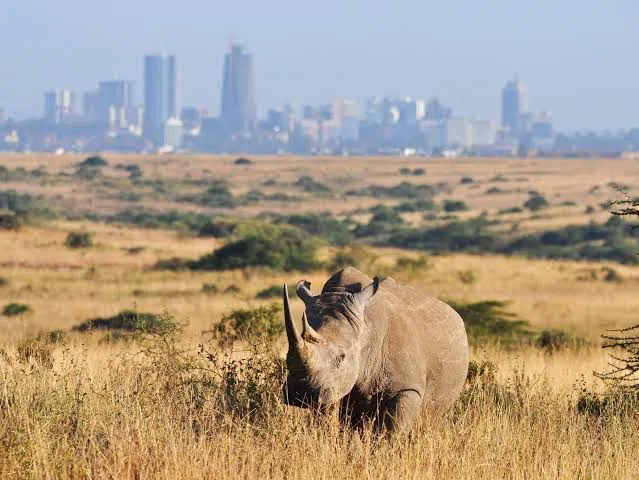
ナイロビ国立公園(ランガタ、市の南端)は、マラ旅行の前後の半日を賢く使う方法です。マラの行程は夜明けに始まり遅くに終わるからです。スカイラインを背景にサイ、ライオン、バッファロー。06:00〜18:00営業、最終入場17:15。非居住者大人は24時間あたり80米ドル、子供と学生は40米ドル、6席未満の車両は約KSh 600、eCitizenのみでゲートでは現金不可。事前支払いならチケットの列もありません。シェルドリック野生生物保護基金の孤児象の保育園は公園内にあり、独自の事前予約制の訪問時間、毎日11:00〜12:00があり、夜明けの周回の後にぴったりです。
マラへの出発は06:00なので、街を横断する渋滞なしに出発できる場所に泊まりましょう。ナイロビのホテル検索で料金と場所を比較してください。どちらかの端に余裕のある夜があれば、ナイロビガイドがその使い方をカバーしています。
実用的な注意事項
ドライブは片道約270km、乾季で5〜6時間、雨季はそれ以上かかり、最後の区間は未舗装です。行きにナロクのマラ・ジャンクションの給油所で給油し、帰りにも再度給油しましょう。生態系内にはこれより良い場所はありません。飛行機での移動もありますが、その場合断崖、博物館、道路全体を失います。
ゲートは全面的にキャッシュレスです。eCitizenの明細、Visa、Mastercard、またはM-Pesa。トライアングルは現金を一切受け付けません。保護区と市立公園の両方について、約48時間前にeCitizenの明細を生成してください。タレック・ゲートのKCB ATMが、一度入ってしまえば最後に信頼できる現金入手場所であり、土産物売りやガイドのチップ用に小額紙幣が必要です。
タイミングについては、午後の車列の前にゲートに着くよう06:30までに市を出発しましょう。最終入場は17:30で、18:00の門限は現実です。3日目の夜明けのドライブは短くしっかりと。帰りの道は感じるより長いからです。
大人1人2泊あたり:ゲート料金は月と公園日数により200〜400米ドル、セレナまたはムトゥ帯の2泊で食事付き宿泊400〜900米ドル、バルーンは飛ぶ場合390〜500米ドル、道路の停車はKSh 3,000以下、博物館はKSh 500。完全プライベートガイド付きの運行はこれらの合計を上回りますが、車両、ガイド、そして72時間それを共有しないことを買います。