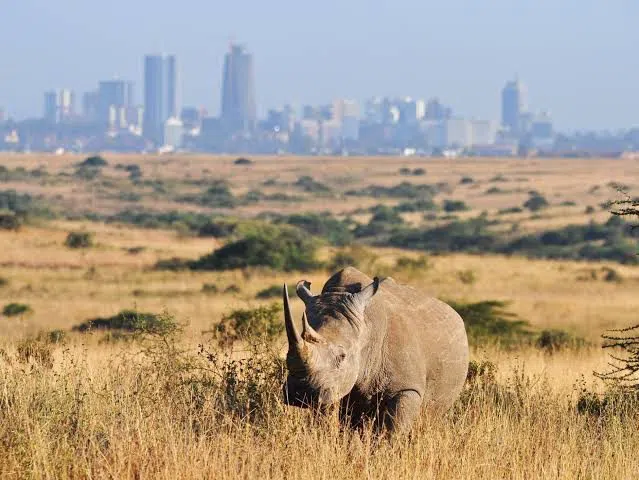
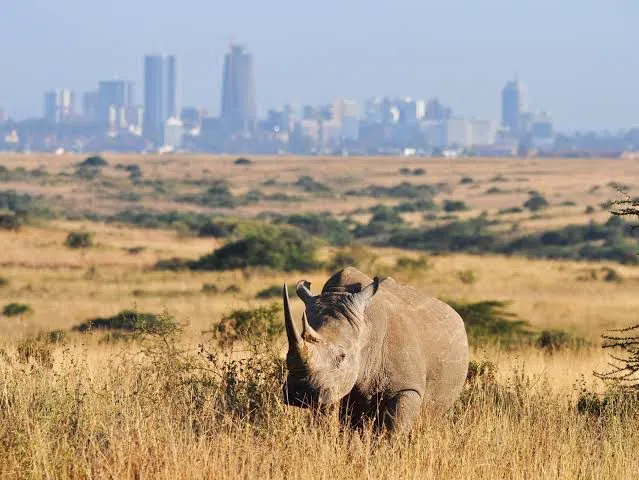
At 5:50am the queue at the Langata Road gate is mostly Land Cruisers, but there are always a few cyclists in the mix, headlamps still on, waiting for the same thing everyone else is: the ten minutes after the gate opens when the light comes in flat and gold across the plains and the animals are still moving from the night's business to the day's shade. Nairobi is the only capital city on earth with a full wildlife circuit inside its limits, close enough that you can see zebra grazing with the skyline stacked up behind them like a backdrop nobody built on purpose. This is a guide to using that fact properly at dawn — and to being straight about the one thing most write-ups fudge: you cannot actually pedal loose among the lions.
The Loop, Honestly Explained
Call it a loop because that's the shape of the morning, not because it's one continuous route. Nairobi National Park (KWS) — Langata Road, south Nairobi — does not allow cyclists to ride freely across the open plains where lion and rhino move; KWS keeps that circuit to vehicles and a narrow ranger-escorted cycling and walking trail. So the honest version of a bike-and-hike dawn in Nairobi is built from two adjoining pieces: first light inside the park itself, on wheels if you've arranged a ranger escort or in a vehicle if you haven't, followed by real saddle time in Karura Forest on the other side of town, where cycling is the whole point and nobody needs an escort to do it. Treat this piece as a menu for one dawn plus a second morning, not a single unbroken circuit — that's the only way to do it without over-promising what the park will let you do.
Into the Park at First Light
Gates at Nairobi National Park open at 06:00, and that first hour is genuinely the best light and animal-activity window of the day — before the heat pushes everything into the tree line, before the tour convoys thicken. Entry for a non-resident adult is a flat USD 80 for 2026, paid in advance through eCitizen; KWS books both individual vehicle groups and safari-operator convoys, so if you're not driving yourself, book a seat with an operator running the 06:00 slot specifically, not a generic mid-morning game drive. If you want the ranger-escorted cycling or walking trail rather than a vehicle circuit, arrange it directly with KWS in advance — it's a narrow, marked route, not the open plains, and group sizes are kept small for exactly the reason you'd expect: it's still lion and buffalo country.
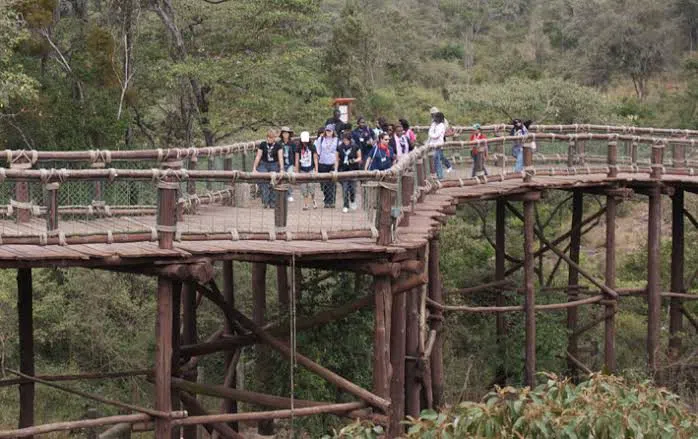
If your ranger slot doesn't come through, or you simply want a guaranteed walk without waiting on availability, the Nairobi Safari Walk — same Langata Road gate — is the fallback. It's an elevated boardwalk through forest and wetland habitat, included in the general park-area entry and always open, no separate booking needed. It won't give you the open-plains wildlife of the main circuit, but it's a reliable half-hour of walking with real animals in view, and a few of the boardwalk sections have had ongoing repair work through 2026, so don't promise yourself the full loop of it — check at the gate which stretches are open that morning.
Where the Bike Half Actually Happens: Karura Forest
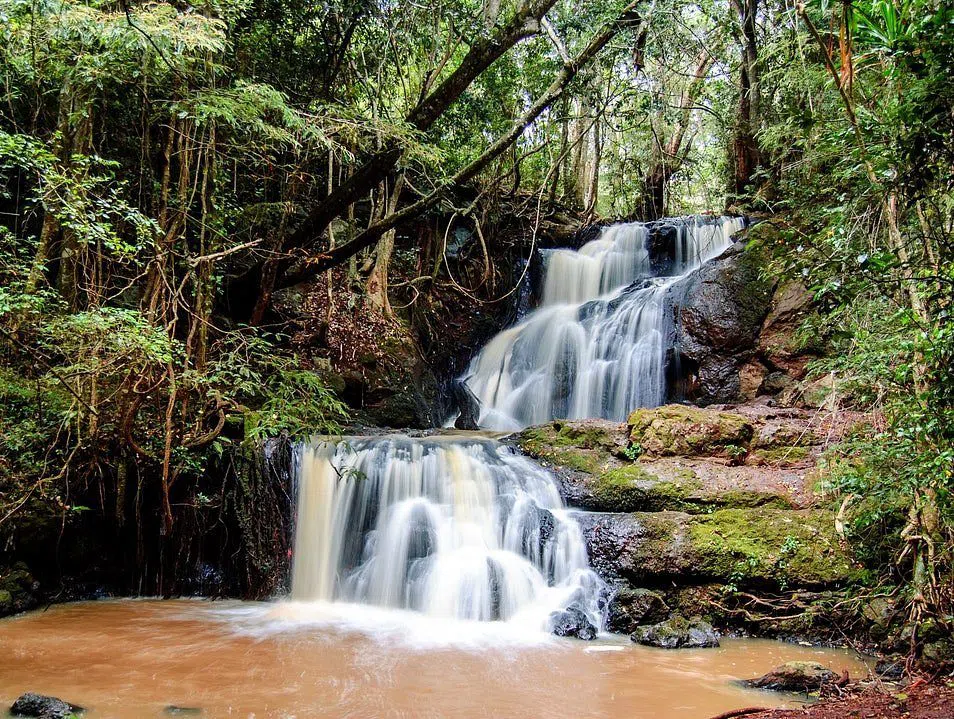
The cycling in this dawn plan happens at Karura Forest, on the northern edge of the city near Kiambu Road and Runda — a proper forest reserve with a mountain-bike and trail network that Nairobi's cycling clubs already use for dawn group rides, well before the park circuit's animal-safety restrictions come into it. Entry is KES 122 for citizens and KES 696 for non-residents, and there are bike depots at gates A, C and F, with hire historically quoted around KES 500 for two hours.
Here's the caveat that matters more than the price: a live management dispute between the Kenya Forest Service and the Friends of Karura Forest community trust has made on-site bike hire unreliable through 2026 — depots that should be staffed at dawn sometimes aren't. Call the forest office at +254 727 818 960 the evening before to confirm a depot actually has bikes out, or plan to bring your own. Neither option is a dealbreaker, but showing up assuming hire will be there is the way this part of the morning goes wrong.
If you'd rather not manage logistics yourself, two currently active operators run guided group rides through Karura and the wider forest network: Offroad Adventure East Africa and Africa Biking Expeditions, both typically pricing a tour at USD 20-60 per person depending on group size and route. Both are built specifically around small guided groups rather than solo hire, which solves the depot problem outright — you show up, the bike and the route are handled. Book directly with either operator and confirm the current route when you do; with forest access shifting through the year, the trail they ran last month isn't guaranteed to be the trail they run this week.

A Second Hike, On a Different Morning: Ngong Hills and Oloolua
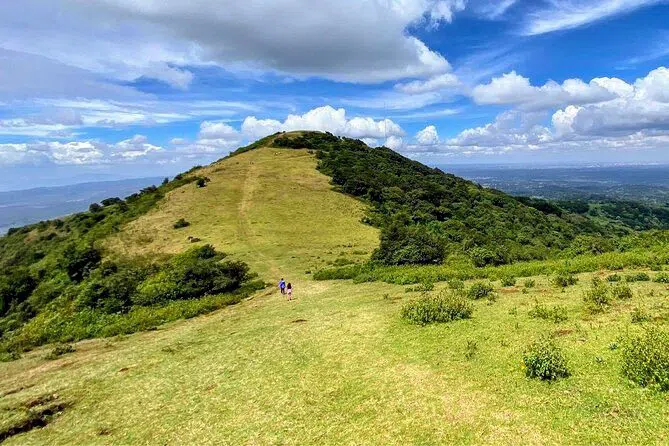
If one dawn isn't enough and you want the ridge version of this — skyline and savanna in one panorama rather than animals at close range — Ngong Hills, southwest of the city past Karen, is the best dawn hiking option near Nairobi. Guides are hired at the gate rather than booked ahead, and the fee structure is simple: a modest park entry plus a guide fee, roughly KES 300-800 per person depending on group size. The full seven-peak traverse is a genuine four-to-six-hour undertaking, which makes it a poor pairing with anything else that same morning — do the traverse on its own day, or trade it for the shorter hippo-pool walk if you've already spent your legs on the bike loop.
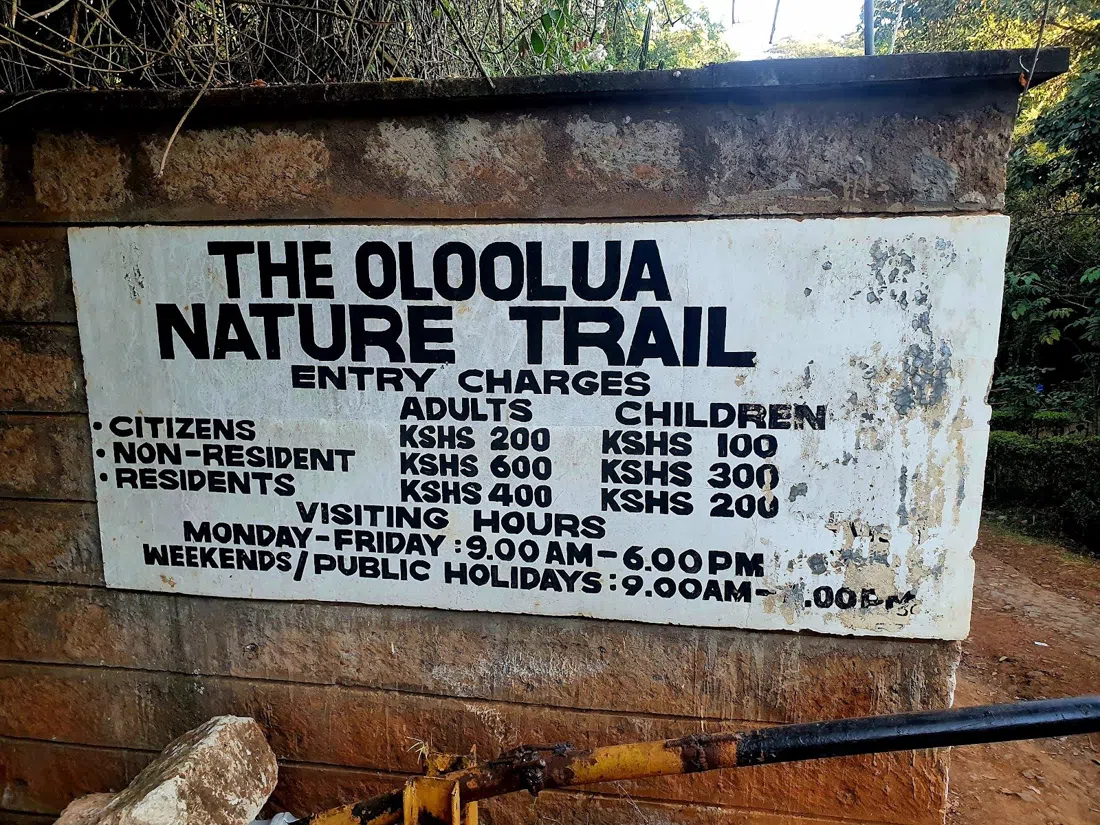
Oloolua Nature Trail, on the Karen side of the city, is the other forest-hike option, and it's worth knowing precisely where it fits: guided walks run two to four hours through indoor forest, with a low entry fee around KES 100-300 plus an optional guide charge, but the trail only opens at 9am and runs to 6pm. That rules it out as a true dawn activity — it's a good mid-morning add-on once the actual dawn work is done, not a substitute for it.
The Mid-Morning Reward: Giraffes, Elephants, Breakfast
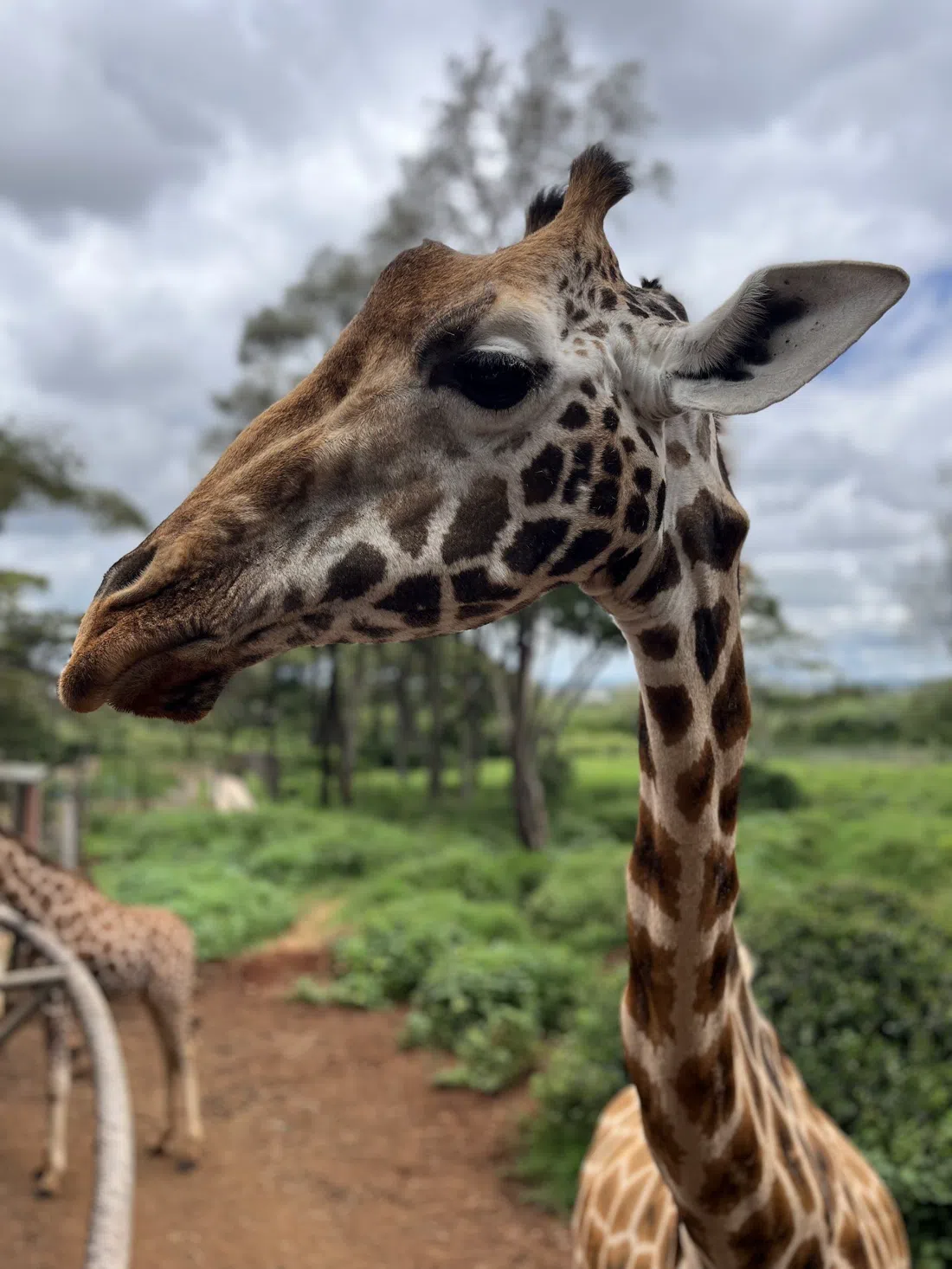
Once the sun is properly up, the loop naturally funnels toward a cluster of stops between Karen and the park's Langata Road entrance. The Giraffe Centre, sitting right on that corridor, opens at 9am and feeding is liveliest at the gate right as it opens — riders and hikers finishing their morning tend to land here almost by accident. Entry is KES 400 for a resident adult and roughly KES 1,500 for a non-resident adult; individuals don't need to book outside peak season, though school groups reserve two weeks out. It opens after true dawn, so treat it as the loop's natural next stop rather than part of the early activity itself.
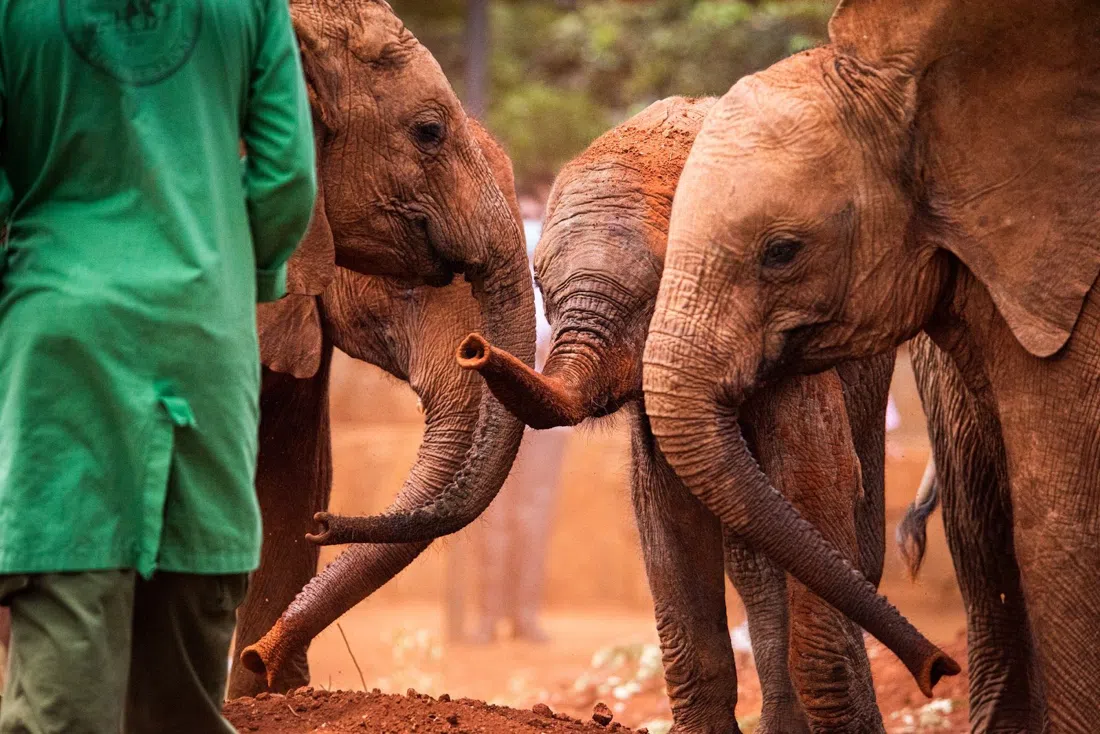
The Sheldrick Wildlife Trust, inside the park's own boundary, runs one public group session daily, 11:00-12:00 (closed only on 25 December), for a modest fixed donation booked online in advance. That single late-morning slot makes it the coda to this whole itinerary rather than a piece of the ride — plan your morning assuming you'll arrive there with hours to spare, not as a dawn stop.
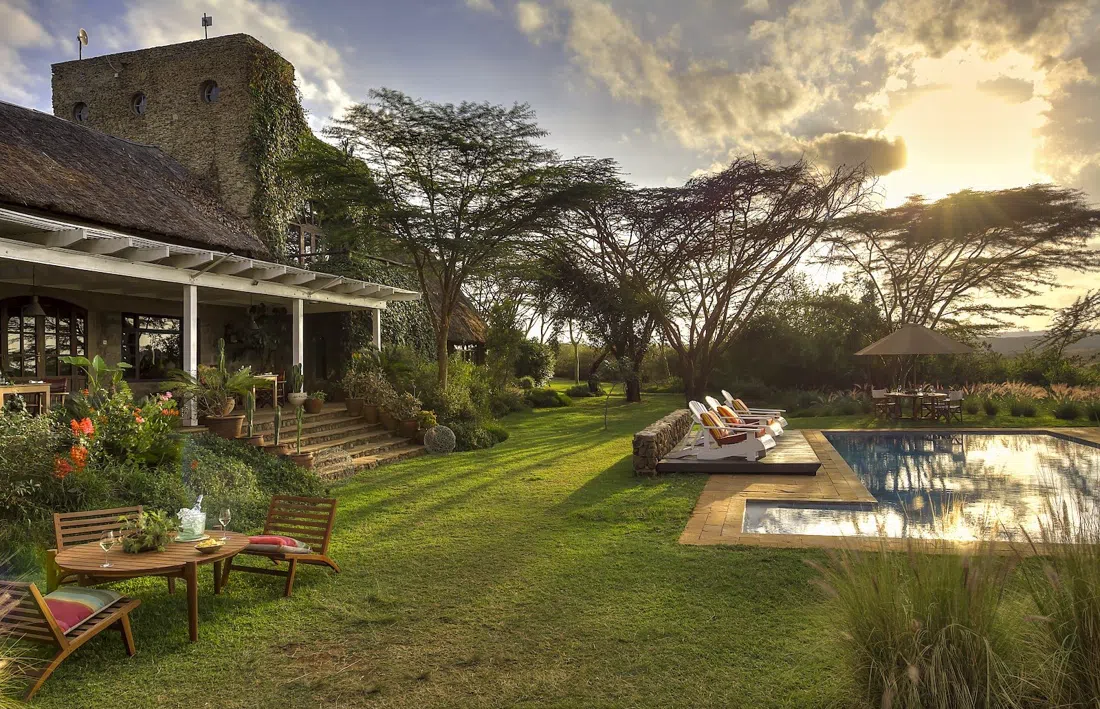
For a more atmospheric staging point, Ololo Safari Lodge sits directly on the park's southern fence line — genuinely one of the closest private vantage points to the wildlife circuit anywhere near the city, and the strongest visual you'll find for a dawn feature. It's upper-mid-range, and day visitors can book breakfast or game-drive packages without staying overnight; room rates are on request. It works well either as a pre-dawn staging point if you're driving yourself into the park, or as a sit-down breakfast after.
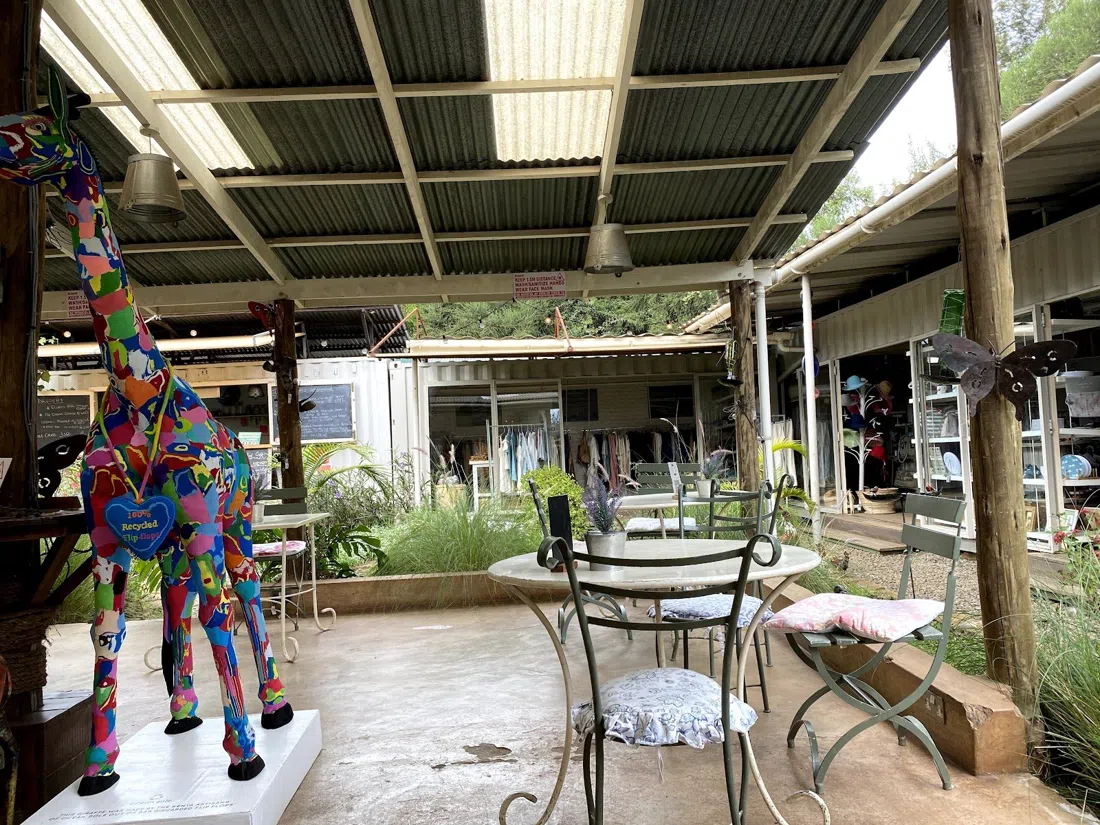
For something more everyday, Tin Roof Café, with locations across Karen and Langata, is the obvious civilian reward once the animals and the forest are behind you — mid-range at roughly KES 800-1,500 for breakfast, and both locations sit minutes from the Langata Road gate. It takes group bookings if you're coordinating with a cycling club or hiking group and want a table held.
Practical Notes: Transport, Cash, Timing, Budget
Transport. None of this is walkable between stops — the park gate, Karura Forest, and Ngong Hills are on three different sides of the city. Book a driver or use a ride-hailing app for the pre-dawn legs; public transport doesn't reliably run at 5am. If you're staying centrally, factor 30-45 minutes to reach the Langata Road gate depending on traffic, which is lighter than usual before 6am but not absent.
Cash. Carry Kenyan shillings for guide fees at Ngong Hills, bike hire at Karura, and the Giraffe Centre and Oloolua entries — several of these are cash-at-gate transactions without card facilities. KWS park entry itself is prepaid online via eCitizen, not paid at the gate.
Timing. Arrive at the park gate by 05:45 for the 06:00 opening if you want the best light; that window closes fast as the sun climbs and both animals and vehicle traffic disperse by mid-morning. Karura's dawn cycling groups typically start around the same hour, and Ngong Hills guides are usually working by 07:00. Don't try to stack the park circuit, Karura, and Ngong Hills into one morning — pick the park-plus-Karura combination for one dawn and treat Ngong Hills as a separate outing.
Budget. A realistic single-dawn budget covering park entry (USD 80), a Karura bike session or guided ride (KES 500-3,000 depending on hire versus operator), and breakfast after (KES 800-1,500) runs somewhere from roughly USD 90 to USD 110 all in, before transport. Ngong Hills on its own is far cheaper, closer to KES 300-800 for entry and guide.
Where to sleep. Karen and Langata put you closest to the park gate and Karura's southern access points alike; if you're planning this as a multi-day trip, start with the Nairobi hotel search filtered to that side of the city, and use the Nairobi guide for the wider lay of the land beyond this one dawn itinerary.