Nairobi's matatus — the minibuses that move most of the city between home and work — carry portraits of Tupac, Bob Marley, Premier League badges and biblical verses across their bodywork, turning a stuck-in-traffic commute into a rolling, contested exhibition. No single curator decides what gets painted; crews of young artists, sound-system fitters and vehicle owners argue it out in workshops around the eastern estates, then send the results out onto Jogoo Road, Thika Road and Uhuru Highway to be judged, silently, by everyone stuck behind them. This piece is a working itinerary for seeing that scene properly in 2026 — from riding an actual matatu to the terminus where the culture is made, to the walls, studios and one riotous annual awards night where the whole thing gets judged formally.
Ride the Real Thing First
Matatu art only makes sense once you've sat inside one and watched how it works as a business as much as a canvas — the paint job, the sound system and the conductor's patter are all competing for the same passengers on the same route. The only way to get that context quickly is with someone who can explain what you're looking at rather than just photograph it from the pavement.
Baus Tours (meets outside the Hilton Hotel on Mama Ngina Street, city centre) runs a Matatu Ride & Umoja Walking Tour that does exactly this: a ride out to the Umoja estate on the city's eastern side, followed by a walk through its terminus and market. It's a smaller, rawer alternative to the more polished commercial matatu tours that have sprung up for visitors in recent years — you get a working terminus doing its actual job, diesel fumes and market noise included, rather than a rig parked and posed for photographs. It's bookable as a private group with free cancellation, and pricing is quoted on request through the listing rather than published upfront, so message ahead of your date to confirm numbers and cost. This suits travellers who want context before they start reading the walls elsewhere in the city — book it first if your schedule allows, ideally on day one, so everything you see afterwards has a frame of reference.
The Walls Beyond the Windscreen
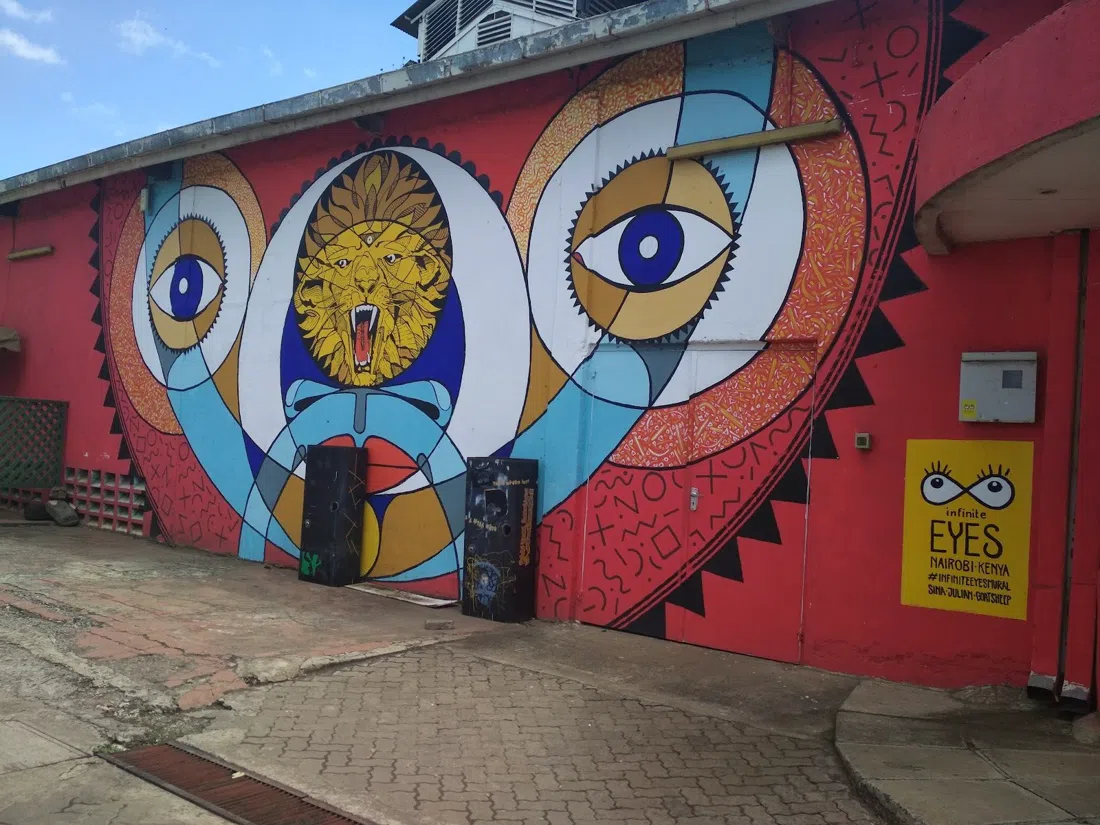
Matatu graffiti didn't develop in isolation — it shares painters, techniques and a visual grammar with Nairobi's wider mural scene, and the two are best understood together rather than as separate outings.
The Nairobi Street Art Tour is a small walking tour led by local artist-guides through the city's mural work, actively reviewed as recently as February 2026, so the route and roster of murals are current rather than a legacy itinerary that's since been painted over. It runs from roughly $25–35 per person — check the current listing before booking, since small-group walking tours like this adjust pricing seasonally. It's built for pedestrians rather than a coach tour, so expect a couple of hours on foot; comfortable shoes and sun protection matter more than any advance planning.
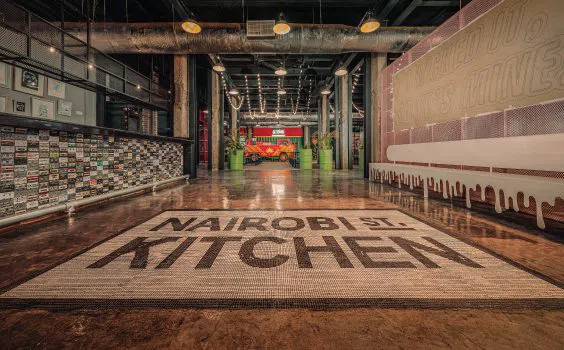
Kibera Walking Art Tour, in Kibera, goes further into the mural scene by walking you directly into the studios where it's made rather than only past the finished walls. It welcomes solo travellers, families, couples and groups, with one hard rule worth knowing before you book: the minimum age is 13, and under-18s must be with an adult. It runs year-round from $38 per person and includes a stop at Maasai Mbili, the collective that's been shaping Nairobi street art since 2001 — genuinely useful context if you want to understand where the visual language on the matatus originally came from, since a good deal of it traces back here rather than the other way round. Because it's a walking tour through a dense, lived-in area, book through the registered operator rather than accepting a freelance guide who approaches you at the entrance; the tour fee is also how the money actually reaches the artists, worth knowing if that matters to how you choose to spend.
Where the Art Gets Made and Judged
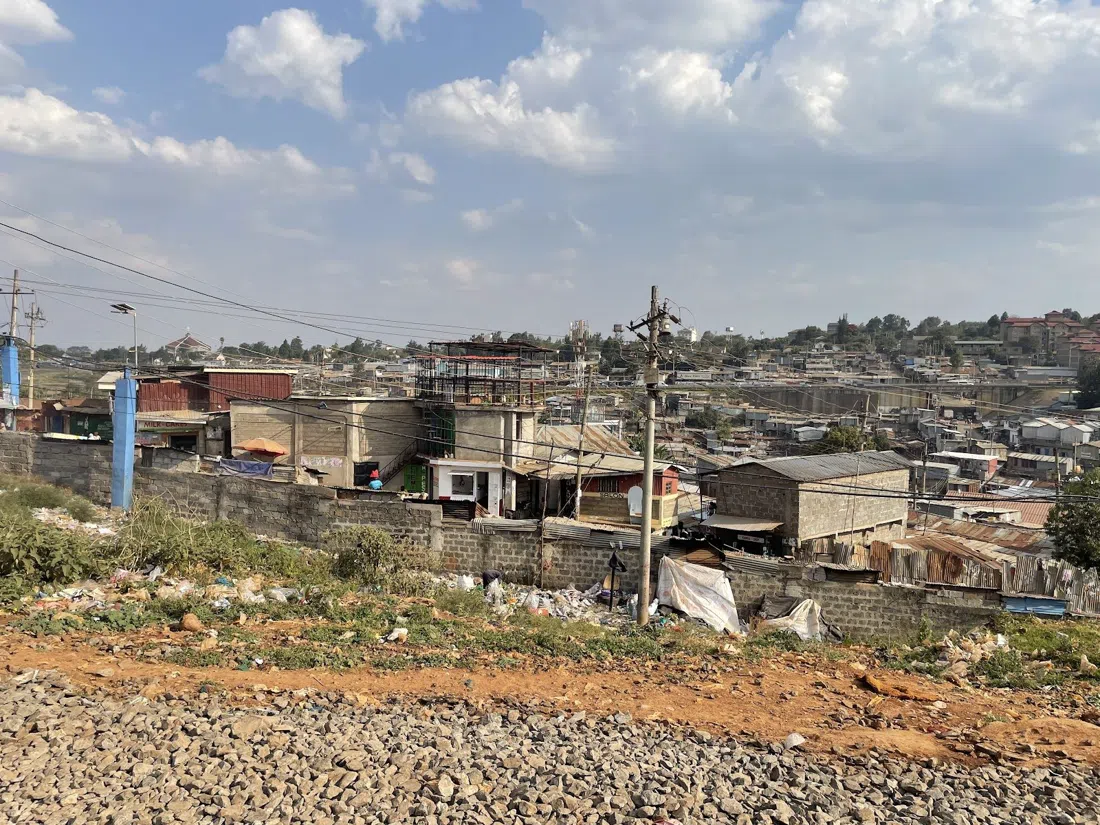
Kuona Trust Centre for Visual Arts is East Africa's oldest artist-run space, founded in 1998, and it's open for walk-in visits daily from 9am to 8pm — no booking required, and entry is free. Groups are welcome without pre-arrangement, which makes it an easy, flexible add-on to a day rather than a scheduled commitment you have to plan around. It functions as a common training ground alongside the matatu scene's own self-taught airbrush artists, and conversations with whoever happens to be working that day tend to be more informative than any wall text would be — arrive without an agenda and see who's around.
GoDown Arts Centre, in the Industrial Area on Dunga Road, has been Nairobi's flagship multidisciplinary arts institution since 2003, hosting public programming, groups and events. Pricing varies by whatever's on — often free, sometimes ticketed for a specific show — so check what's scheduled before you go rather than assuming open access on any given day. Its Dunga Road renewal project is itself remaking the Industrial Area streets that matatus physically roll through on their routes into and out of the city centre, which makes it a useful bookend to a matatu-focused day: you're looking at a neighbourhood being reshaped by the same creative energy that fuels the art on the vehicles passing through it.
The Gallery-World Verdict
If you want the matatu scene contextualised against Nairobi's formal art world — the argument that this is fine art doing a working-class job, not folk decoration — three stops do that work.
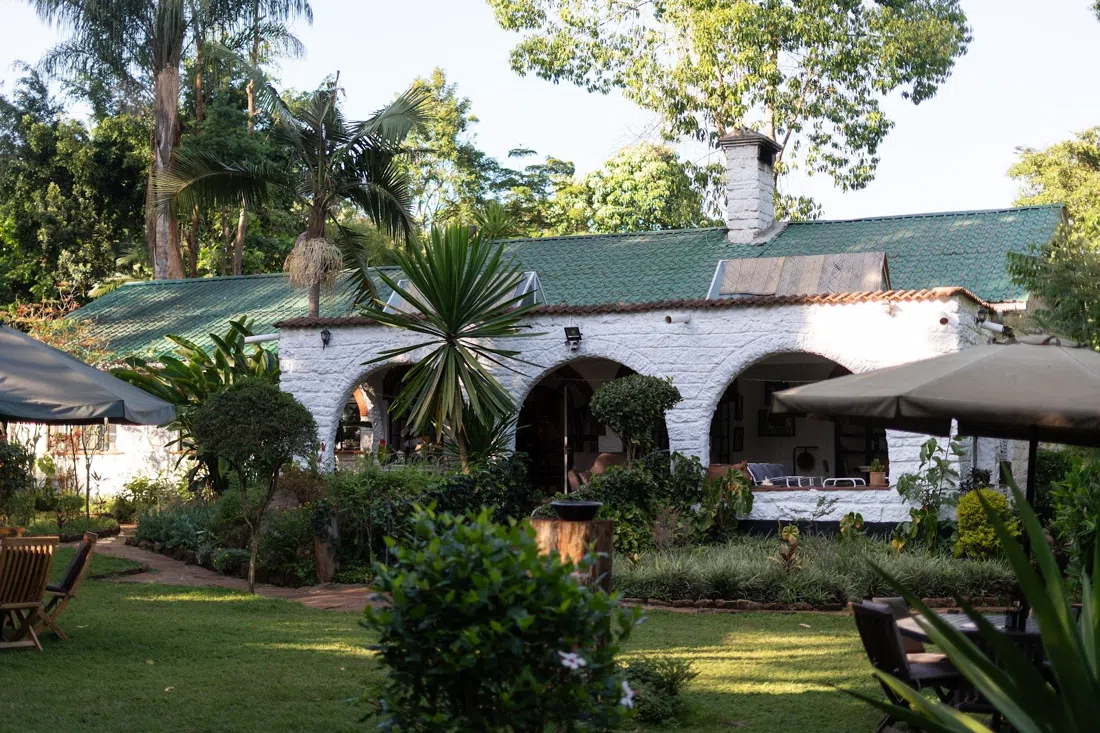
Coffeebeans Nairobi Art Safari is a private gallery and studio tour built for small groups and couples, with hotel pickup and return included, making it the least logistically demanding option on this list if you're short on time or would rather not navigate transport yourself. It's the one-stop primer connecting matatu graffiti to Nairobi's wider fine-art scene, but it runs on request rather than instant online checkout — email ahead, ideally a few days out, to confirm a date and get pricing.
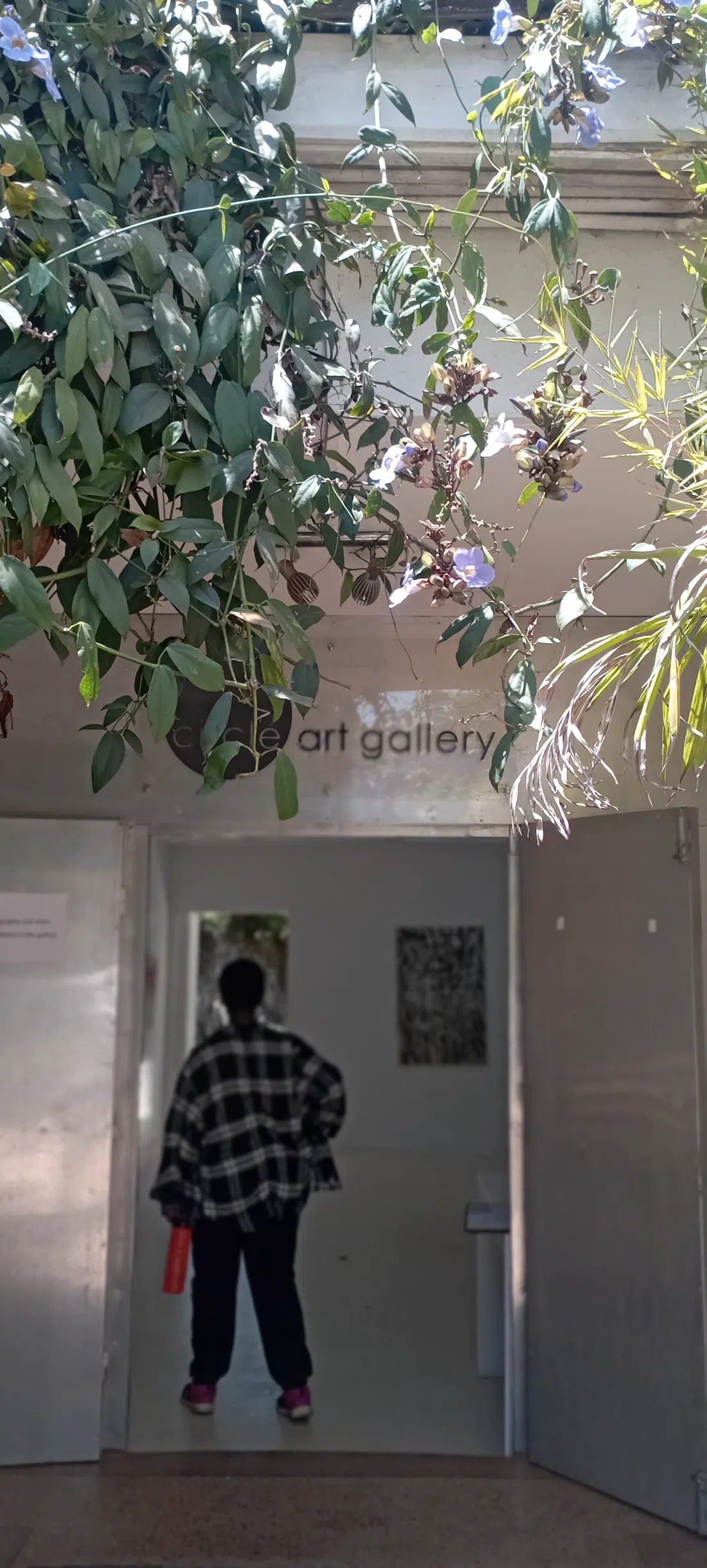
Circle Art Gallery is free to enter and open weekdays 10am–5pm, weekends noon–5pm, welcoming groups without advance notice. It's the gallery-world validation of the same pop-culture-and-politics instincts that power matatu art — the same appetite for satire and celebrity, minus the diesel fumes and the deadline of a paint job that has to survive Nairobi traffic.
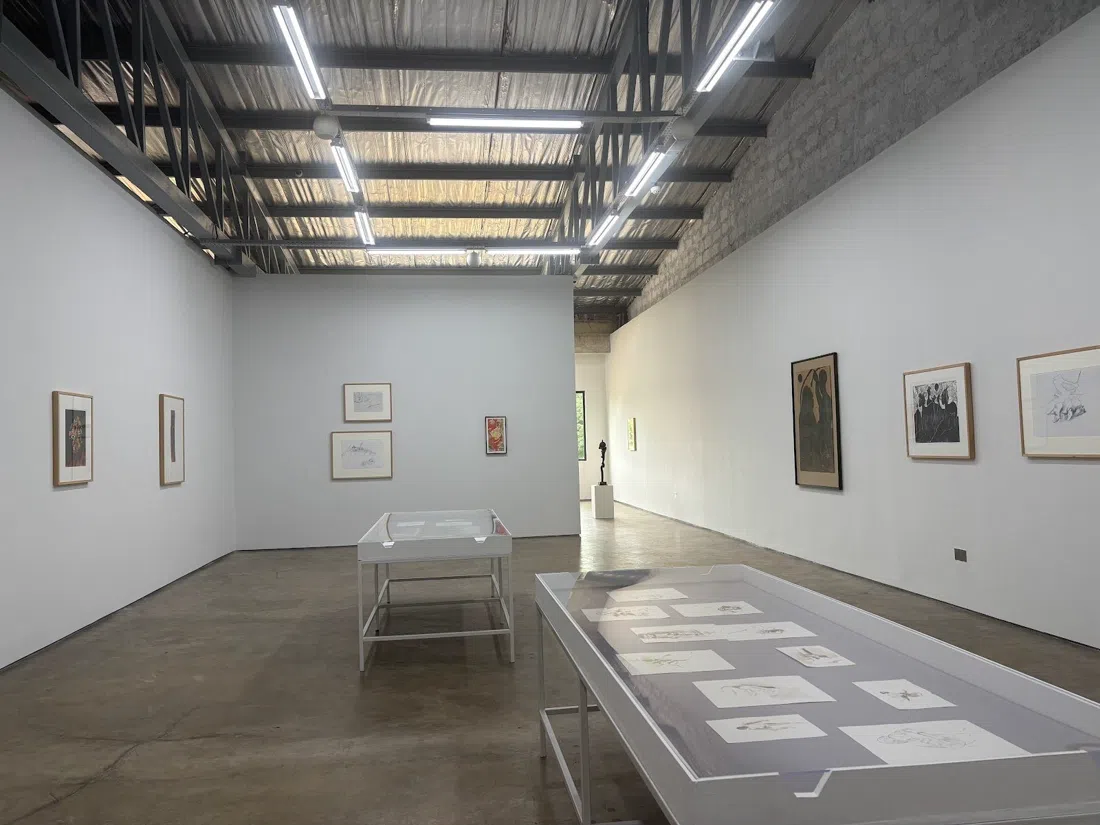
Nairobi Contemporary Art Institute (NCAI) is also free, open Monday to Saturday, and group-friendly. It was founded by Michael Armitage, whose work has since reached the Venice Biennale, which makes NCAI the Michelin-anchor stop for anyone who arrived sceptical that street-level matatu art belongs in the same conversation as contemporary fine art — it's the strongest single argument on this list that it does.
Time It for the Nganya Award Festival
The Nganya Award Festival is the one date worth planning a whole trip around. It's an open, ticketed public event that easily absorbs groups, run annually in late November, and it's the closest thing the matatu scene has to a formal awards ceremony — 44 categories judging crews, individual artists and the finished rigs against each other in front of a crowd rather than just passing traffic. Tickets run KES 500–2,000 depending on category and access. If your travel dates are flexible and you want to see matatu art taken seriously as a competitive craft rather than only photograph it in passing on a normal working route, build the trip around late November instead of trying to retrofit the festival into an existing itinerary — it doesn't repeat outside that window, and the rest of the year you're seeing the art doing its ordinary job rather than at its most deliberately shown-off.
Planning Your Visit
Transport. You don't need to hire a driver to see any of this — matatus themselves are the transport, and riding one, ideally with a guide the first time via Baus Tours, is part of the experience rather than a logistics problem to solve around it. Ordinary matatu fares within the city run roughly KES 30–100 depending on distance and route; agree the fare or watch what other passengers pay before boarding if you're travelling independently. For anything scheduled — tours, gallery visits with fixed hours — leave more time than the distance on a map suggests, since traffic on routes like Jogoo Road and Uhuru Highway is unpredictable at almost any hour of the day.
Cash. Carry Kenyan shillings in small denominations for matatu fares, market stops in Umoja, and festival tickets at the Nganya Award Festival. M-Pesa, Kenya's mobile money system, is widely accepted for larger, pre-arranged bookings like private tours, but small transactions on the street and inside matatus are still mostly cash.
Timing. A single day can realistically cover a matatu ride plus one or two galleries; the mural-focused walking tours are better as their own half-day rather than squeezed in afterwards, since they're on foot and reward an unhurried pace. If you can align a visit with late November, the Nganya Award Festival becomes the natural centrepiece and everything else here works well as build-up to it.
Budget. Expect free entry at Kuona Trust, Circle Art Gallery and NCAI; $25–38 per person for the walking mural tours; on-request pricing for Baus Tours and Coffeebeans Nairobi Art Safari, both worth emailing ahead for rather than assuming a walk-up price; and KES 500–2,000 for the festival. A realistic two- or three-day version of this itinerary, tours and gallery entries included, runs comfortably under $150 per person before accommodation.
Base yourself centrally and use a Nairobi hotel search to find somewhere within reasonable reach of both the CBD galleries and the eastern estates where the matatu culture is strongest. For wider trip planning beyond this scene, the Nairobi guide covers the rest of the city.